FIFA World Cup 2026 Travel Guide – Tickets, Visas & How to Plan Your Trip
Listen, the 2026 FIFA World Cup is going to be absolutely massive. I’m talking history-making, once-in-a-lifetime kind of massive. For the first time ever, three countries (the United States, Canada, and Mexico) are hosting together, and we’re jumping from 32 teams to a whopping 48 teams. That means more matches, more excitement, and honestly, way more planning you’ll need to do.
If you’re dreaming about watching your favorite team play live, I’ve got you covered. This guide walks you through everything: getting tickets, sorting out visas for three different countries, finding places to stay, moving between cities, and actually enjoying yourself without going broke.
Trust me, planning early makes all the difference. Let’s get started.
Quick Facts: What You Need to Know Right Now
| Detail | Information |
|---|---|
| Tournament Dates | June 11 to July 19, 2026 |
| Number of Teams | 48 (up from 32) |
| Total Matches | 104 matches (previously 64) |
| Host Countries | USA, Canada, Mexico |
| Host Cities | 16 cities total |
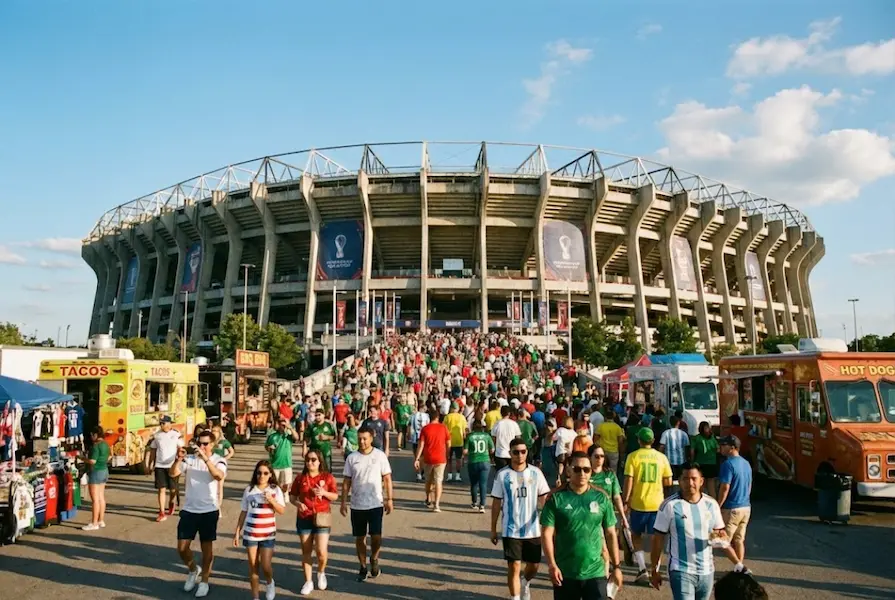
| Opening Match | June 11, 2026 at Estadio Azteca, Mexico City |
| Final Match | July 19, 2026 at MetLife Stadium, New York/New Jersey |
| Tournament Duration | 39 days |
Understanding the New Tournament Format
Things are different for 2026. FIFA completely changed the game.
Instead of 32 teams playing 64 matches, we now have 48 teams battling it out in 104 matches. The teams get split into 12 groups of 4 teams each. The top two teams from each group move forward, plus the eight best third-place teams. That creates a Round of 32, something we’ve never seen before at a World Cup.
What does this mean for you? More matches to watch, more chances to see your team play, and honestly, more opportunities to experience World Cup magic.
The tournament lasts 39 days instead of the usual 32. Each team still plays three group stage matches, but if they keep winning, they’ll play up to eight matches total instead of seven.
Your Full Ticketing Breakdown
Alright, let’s talk about actually getting into these matches. The ticketing process has been rolling out in phases, and you need to understand how it works.
How FIFA Ticket Sales Work
FIFA runs everything through their official ticketing portal. They use a lottery system for most sales phases, which means you can’t just buy tickets whenever you want. You register your interest during specific windows, and FIFA randomly selects people to purchase.
The phases have been working like this:
Phase 1: Visa Presale Draw (Already completed) This phase was exclusive to Visa cardholders. They ran a lottery, and winners got specific time windows to buy tickets starting in October 2024.
Phase 2: Early Ticket Draw (Already completed) Another lottery system, with registration in late October 2024 and ticket sales in mid-November.
Phase 3: Random Selection Draw This opened after the official tournament draw in December 2025, when we finally knew which teams were in which groups.
Resale Platform If you miss the official sales, FIFA operates a resale platform where people can sell tickets they can’t use. The platform opened in October 2024 and prices on resale can vary, but they’re generally closer to face value than the crazy markups you see on unauthorized sites.
Ticket Prices: What You’ll Actually Pay
Let me break down the ticket pricing because it matters for your budget:
Group Stage Matches: Cheapest tickets start around $60 for Category 3 seats. Mid-tier (Category 2) tickets run about $100-200. Premium (Category 1) seats can go $200-400 depending on the match and venue.
Knockout Rounds: As the tournament progresses, prices jump. Round of 32 and Round of 16 tickets start around $80-100 for the cheapest seats. Quarterfinals begin at $150-300. Semifinals start at $300-600.
The Final: This is the big one. Final match tickets have been reported starting around $500 for the cheapest seats, going all the way up to $6,730 for premium category seats.
The thing is, though: FIFA introduced dynamic pricing for 2026. That means prices can fluctuate based on demand, kind of like airline tickets. Some categories will still have fixed prices, but for many matches, expect prices to vary.
Hospitality Packages: The VIP Route
If you’ve got a bigger budget, hospitality packages might be your move. These include:
- Premium seats with better views
- Access to exclusive lounges
- Food and beverages
- Sometimes even meet-and-greet opportunities
Hospitality packages get sold through FIFA’s official partners and start at several thousand dollars per person. Companies like Roadtrips offer luxury packages that bundle tickets, accommodation, and transportation. These can run $5,000 to $20,000+ depending on what you choose.
Is it worth it? That’s totally up to you and your budget. If you want the full VIP experience and don’t want to stress about logistics, hospitality packages handle everything. But if you’re comfortable planning yourself, you can definitely do this cheaper.
Important Ticketing Rules You Need to Know
You cannot share or transfer most tickets. FIFA ties tickets to specific names, and you’ll need ID to get into matches.
Beware of scams. Only buy tickets from FIFA’s official channels or authorized resellers. Third-party sites selling tickets for way above face value are often fraudulent, and you might end up with fake tickets or nothing at all.
RTBs (Right to Buy tokens) are digital assets some people bought that give priority access to future ticket sales. If you see people talking about RTBs, that’s what they mean.
Visa Requirements: Navigating Three Countries
This is where things get tricky. Since the World Cup spans three countries, you might need up to three different visas. Let me break it down for you.
United States Visa Requirements
The USA hosts 78 of the 104 matches, including all the games from quarterfinals onward. So chances are, you’ll need to get into the United States.
If you’re from a Visa Waiver Program (VWP) country: Good news! You don’t need a visa. Just apply for ESTA (Electronic System for Travel Authorization) online before you travel. It costs $21 and takes a few minutes. ESTA lets you stay up to 90 days.
VWP countries include most of Western Europe, Japan, South Korea, Australia, New Zealand, and several others. Check the official VWP list to see if your country qualifies.
If you’re NOT from a VWP country: You’ll need a B-2 tourist visa. The process looks like this:
- Complete Form DS-160 online
- Pay the visa fee ($185 as of now)
- Schedule an interview at a U.S. embassy or consulate
- Attend your interview with all required documents
- Wait for processing
The critical part: Visa wait times are LONG in many countries. Some places have wait times exceeding 500 days. But FIFA and the U.S. State Department launched something called FIFA PASS (Priority Appointment Scheduling System).
FIFA PASS gives ticket holders priority appointments for visa interviews. If you have World Cup tickets, you can potentially get an interview appointment within 60 days instead of waiting months or years. The system launched in early 2026, so if you need a U.S. visa, get your tickets first, then apply through FIFA PASS.
Documents you’ll need for a B-2 visa:
- Valid passport (must be valid 6 months beyond your planned stay)
- DS-160 confirmation
- Visa fee payment receipt
- Passport-style photo
- Proof of ties to your home country (job letter, property ownership, family ties)
- Bank statements showing you can afford the trip
- Your World Cup tickets or confirmation
- Travel itinerary
Canada Visa Requirements
Canada hosts 13 matches in Toronto and Vancouver.
If you’re from a visa-exempt country: You need an eTA (Electronic Travel Authorization). It’s similar to ESTA, costs $7 CAD, and you apply online. Takes minutes.
If you’re from a visa-required country: You’ll need a Canadian visitor visa. Apply through Canada’s immigration website. Processing can take several months, so start early.
Important note: Having a valid U.S. visa can help your Canadian application, but it doesn’t automatically grant you entry to Canada. You still need to apply separately.
Mexico Visa Requirements
Mexico hosts 13 matches in Mexico City, Guadalajara, and Monterrey.
Good news: If you have a valid U.S. visa or Canadian visa, you typically don’t need a separate Mexican visa. You’ll still need to get a Mexico Tourist Card (FMM), which you can get at the border or airport.
If you don’t have a U.S. or Canadian visa, check if your country is on Mexico’s visa-exempt list. Many countries don’t need visas for short tourist visits.
The “Golden Key” Method
Smart travelers are applying for the U.S. B-2 visa first. Why? Because having a U.S. visa makes it easier to get into both Canada (you might qualify for eTA instead of a full visa) and Mexico (no separate visa needed).
Plus, most connecting flights between host cities go through U.S. airports anyway. Without a U.S. visa, you can’t even transit through American airports.
Timeline for Visa Applications
Start NOW. Seriously, don’t wait. Why?
- U.S. visa appointments in many countries are booked months in advance
- Processing times can be unpredictable
- You might need additional documentation
- If something goes wrong, you’ll need time to fix it
Apply for visas at least 3-6 months before the tournament starts. Earlier is better.
Travel Methods: How to Experience the World Cup
Okay, so you’ve got tickets and visas sorted. Now let’s talk about how you’ll actually move around and experience this thing. There are basically three approaches, and each has pros and cons.
Method 1: The Anchor Approach (Best for First-Timers)
Pick one host city and make it your home base for the entire trip. Stay in one place, watch multiple matches at that city’s stadium, and check out the surrounding area.
Pros:
- Simple logistics
- No constant packing and traveling
- Get to really know one city
- Usually cheaper than bouncing around
- Less stressful
Cons:
- You’ll only see matches at one venue
- Might miss the experience of multiple cities
- Limited variety
Best for: Families, first-time World Cup attendees, people on tighter budgets, anyone who values simplicity over variety.
How to do it:
- Look at the match schedule and pick a city hosting multiple games
- Book accommodation for your entire stay
- Buy tickets for 3-5 matches in that city
- Use remaining time to check out the city and region
Top anchor cities:
- New York/New Jersey (hosting 8 matches including the final)
- Los Angeles (7 matches)
- Dallas (7 matches)
- Atlanta (7 matches)
- Mexico City (6 matches including the opening match)
Method 2: The Regional Hopper (Best Balance)
Choose one region (Western, Central, or Eastern) and visit 2-3 cities within that region. This gives you variety without the exhausting cross-country travel.
The three regions:
- Western: Vancouver, Seattle, San Francisco Bay Area, Los Angeles
- Central: Guadalajara, Mexico City, Monterrey, Houston, Dallas, Kansas City
- Eastern: Atlanta, Miami, Toronto, Boston, Philadelphia, New York/New Jersey
Pros:
- See multiple cities and stadiums
- Shorter travel distances between cities
- Good balance of variety and manageability
- Experience different atmospheres
Cons:
- More planning required
- Multiple hotel bookings
- More expensive than anchoring
- Some travel time and logistics
Best for: Experienced travelers, people with moderate budgets, fans who want variety without going crazy.
How to do it:
- Pick your region based on match schedules
- Choose 2-3 cities within that region
- Plan 4-7 days per city
- Book travel between cities in advance
- Get tickets for 1-2 matches per city
Method 3: The All-Out Nomad (For the Hardcore Fans)
Follow your team across multiple regions or try to see as many matches as possible in different cities. This is the full World Cup experience, but it’s intense.
Pros:
- See multiple cities and countries
- Follow your team throughout the tournament
- Full World Cup immersion
- Incredible memories
Cons:
- Expensive (flights, multiple hotels, constant eating out)
- Exhausting (lots of travel, packing, unpacking)
- Complex logistics
- Can be stressful
Best for: Serious soccer fans, people with flexible schedules and bigger budgets, those who want the ultimate World Cup adventure.
How to do it:
- Wait for the tournament draw to know where your team plays
- Buy tickets for your team’s matches
- Book flights and hotels as soon as schedules are confirmed
- Build in rest days between cities
- Use travel apps and stay organized
Accommodation Breakdown: Where to Stay
Finding places to stay during the World Cup is going to be competitive. Millions of fans will flood these cities, and accommodation prices will spike. Your game plan starts now.
Book Early (Like, Really Early)
I can’t stress this enough. Hotel rooms and short-term rentals are already getting snatched up for summer 2026. The earlier you book, the better your options and prices.
Many hotels offer flexible cancellation policies. Take advantage of these. Book something now even if your plans aren’t 100% set, as long as you can cancel without penalties if needed.
Budget Accommodation Options
Hostels: Major cities have hostels offering beds for $30-60 per night. You’ll share dorm rooms with other travelers, but it’s cheap and you’ll meet fellow fans.
Budget Hotels: Chains like Motel 6, Super 8, or Red Roof Inn in the USA offer basic rooms for $80-150 per night during normal times. Expect 2-3x that during the World Cup.
Airbnb/VRBO: Short-term rentals can be cost-effective, especially if you’re traveling with a group. A 3-bedroom apartment split between 6 people might cost each person less than a hotel room. Demand is already surging, so book soon.
Staying Outside the City: Consider hotels in suburbs or nearby towns. You’ll spend time commuting, but you’ll save money and have better availability.
Mid-Range Options
Standard Hotels: Expect $200-400 per night during the World Cup in major cities. Hotels near stadiums will be more expensive than those farther away.
Hotel Chains: Marriott, Hilton, Hyatt, and IHG properties offer consistent quality. If you have loyalty points, now’s the time to use them.
Boutique Hotels: Many cities have unique boutique hotels that offer personality and decent prices. Check sites like Booking.com or Hotels.com for deals.
Luxury Options
Four and Five-Star Hotels: If budget isn’t a concern, luxury hotels offer the best locations, amenities, and service. Expect $400-1,000+ per night.
Hospitality Packages: Some travel companies bundle luxury hotels with World Cup tickets, transfers, and concierge services. Everything’s handled for you, but you’ll pay premium prices.
Accommodation Tips That Actually Work
Location matters: Being close to the stadium is convenient, but you’ll pay for it. Consider staying near public transit lines instead of right next to the venue.
Check cancellation policies: Things change. Make sure you can cancel or modify your booking if your plans shift.
Read recent reviews: Don’t just look at star ratings. Read what recent guests say about cleanliness, location, and service.
Watch out for scams: Book through reputable sites. If a deal seems too good to be true, it probably is.
Consider neighborhoods carefully: Research which neighborhoods are safe and convenient. Local subreddits and travel forums can help.
Budget Planning: What Will This Actually Cost?
Let’s get real about money. The World Cup isn’t cheap, but you can do it on different budgets. What to expect:
Budget Breakdown (Per Person)
Shoestring Budget (~$2,500-4,000 for 7-10 days):
- Tickets: $200-500 (1-2 group stage matches, cheap seats)
- Flights: $500-1,200 (depending on where you’re from)
- Accommodation: $700-1,500 (hostels, budget hotels, $70-150/night)
- Food: $300-500 ($30-50/day, street food, grocery stores)
- Local transport: $100-200 (public transit, walking)
- Activities: $100-200 (sightseeing, fan zones)
- Visa: $21-185
- Contingency: $250-400 (10% buffer)
Mid-Range Budget (~$5,000-8,000 for 7-10 days):
- Tickets: $600-1,500 (2-3 matches, better seats)
- Flights: $700-1,500
- Accommodation: $1,500-3,000 (mid-range hotels, $200-300/night)
- Food: $500-800 ($50-80/day, mix of restaurants)
- Local transport: $200-400 (Uber, taxis, some car rental)
- Activities: $300-500 (tours, attractions, shopping)
- Visa: $21-185
- Contingency: $500-800 (10% buffer)
Comfortable Budget (~$10,000-20,000+ for 7-10 days):
- Tickets: $2,000-5,000+ (multiple matches, good seats, maybe knockout rounds)
- Flights: $1,500-3,000 (business class options)
- Accommodation: $4,000-8,000+ (luxury hotels, $400-800/night)
- Food: $1,000-2,000 ($100-200/day, nice restaurants)
- Local transport: $500-1,000 (car rentals, premium ride services)
- Activities: $500-1,000 (premium experiences)
- Visa: $21-185
- Contingency: $1,000-2,000 (10% buffer)
Money-Saving Tips
Travel in a group: Splitting accommodation, rental cars, and even some meals can cut costs significantly.
Cook some meals: If you stay in an Airbnb with a kitchen, cooking breakfast and some dinners saves money.
Use public transit: American cities have decent public transportation. Skip the Ubers when you can.
Book flights with flexibility: Use flight comparison tools like Google Flights or Skyscanner. Be flexible with dates. Sometimes flying a day earlier or later saves hundreds.
Look for free activities: Many cities have free museums, parks, and fan zones. You don’t have to spend money on everything.
Bring a reusable water bottle: Water at venues is expensive. Many places have refill stations.
Set a daily spending limit: Know how much you can spend each day and track it. Easy to overspend when you’re caught up in the excitement.
Host Cities Breakdown: What Each City Offers
Let me give you the quick rundown on each host city, so you know what you’re getting into.
United States Host Cities
New York/New Jersey (MetLife Stadium)
- Capacity: 82,500
- Matches: 8 including the final
- Why visit: World-class dining, Broadway shows, Central Park, Statue of Liberty, museums
- Vibe: Fast-paced, diverse, iconic
- Transit: Excellent subway system
- Weather in June/July: Warm and humid (75-85°F)
Los Angeles (SoFi Stadium)
- Capacity: 70,000+
- Matches: 7
- Why visit: Hollywood, beaches, great food scene, entertainment
- Vibe: Laid-back California lifestyle
- Transit: You’ll want a car, public transit is limited
- Weather: Perfect (70-80°F, sunny)
Dallas (AT&T Stadium)
- Capacity: 80,000
- Matches: 7 including a semifinal
- Why visit: Great BBQ, cowboy culture, modern downtown
- Vibe: Southern hospitality meets modern city
- Transit: Car recommended
- Weather: HOT (85-95°F)
Atlanta (Mercedes-Benz Stadium)
- Capacity: 71,000
- Matches: 7
- Why visit: Civil Rights history, hip-hop culture, Southern food
- Vibe: New South energy
- Transit: Good MARTA system
- Weather: Hot and humid (80-90°F)
Miami (Hard Rock Stadium)
- Capacity: 65,000
- Matches: 7
- Why visit: Beautiful beaches, Latin culture, nightlife, Art Deco architecture
- Vibe: Party city, tropical paradise
- Transit: Car helpful but not essential
- Weather: Very hot and humid (85-90°F)
Philadelphia (Lincoln Financial Field)
- Capacity: 69,000
- Matches: 6
- Why visit: Independence Hall, Liberty Bell, cheesesteaks, passionate sports city
- Vibe: Historic with edge
- Transit: Good public transit
- Weather: Warm (75-85°F)
Seattle (Lumen Field)
- Capacity: 69,000
- Matches: 6
- Why visit: Pike Place Market, coffee culture, stunning natural beauty
- Vibe: Pacific Northwest cool
- Transit: Good light rail and buses
- Weather: Mild and pleasant (65-75°F)
Boston (Gillette Stadium in Foxborough)
- Capacity: 65,000-70,000
- Matches: 6
- Why visit: Revolutionary War history, universities, seafood, sports culture
- Vibe: Academic and historic
- Transit: Good in Boston, need transport to Foxborough
- Weather: Warm (70-80°F)
San Francisco Bay Area (Levi’s Stadium in Santa Clara)
- Capacity: 70,909
- Matches: 6
- Why visit: Golden Gate Bridge, tech hub, diverse food, wine country nearby
- Vibe: Progressive and inventive
- Transit: Excellent BART system
- Weather: Perfect (60-75°F)
Houston (NRG Stadium)
- Capacity: 72,220
- Matches: 7
- Why visit: Space Center, diverse food scene, museums
- Vibe: Texas-sized energy
- Transit: Car recommended
- Weather: Very hot and humid (85-95°F)
Kansas City (Arrowhead Stadium)
- Capacity: 76,000
- Matches: 6
- Why visit: BBQ capital, jazz history, fountains
- Vibe: Midwest charm
- Transit: Car recommended
- Weather: Hot (80-90°F)
Canada Host Cities
Toronto (BMO Field)
- Capacity: 45,736
- Matches: 6
- Why visit: CN Tower, diverse neighborhoods, great food, culture
- Vibe: Multicultural and welcoming
- Transit: Excellent TTC system
- Weather: Warm (70-80°F)
Vancouver (BC Place)
- Capacity: 54,000
- Matches: 6
- Why visit: Stunning mountains and ocean, outdoor activities, diverse food
- Vibe: Laid-back West Coast
- Transit: Good SkyTrain system
- Weather: Beautiful (60-70°F)
Mexico Host Cities
Mexico City (Estadio Azteca)
- Capacity: 83,000
- Matches: 6 including the opening match
- Why visit: Rich history, incredible food, museums, culture
- Vibe: Vibrant megacity
- Transit: Extensive metro system
- Weather: Mild (60-75°F, some afternoon rain)
- Note: High altitude (7,350 feet) can affect some visitors
Guadalajara (Estadio Akron)
- Capacity: 48,000
- Matches: 5
- Why visit: Mariachi birthplace, tequila region, colonial architecture
- Vibe: Cultural heart of Mexico
- Transit: Good bus system
- Weather: Warm with rain (70-80°F)
Monterrey (Estadio BBVA)
- Capacity: 53,500
- Matches: 5
- Why visit: Industrial city with mountain backdrop, modern development
- Vibe: Business hub with character
- Transit: Car helpful
- Weather: Very hot (85-95°F)
Transportation Between Cities
Getting around North America during the World Cup takes planning. Your options:
Flying
Pros: Fastest way to cover long distances, extensive route network Cons: Can be expensive during the World Cup, airport hassles, security lines
Tips:
- Book flights as early as possible
- Use comparison sites like Google Flights or Skyscanner
- Consider budget airlines like Southwest, Spirit, or Frontier
- Check baggage fees, they add up
- Morning flights are usually more reliable
Major airlines will likely add capacity between host cities, so watch for deals.
Driving/Car Rental
Pros: Flexibility, can bring whatever you want, scenic routes Cons: Long distances, driving can be tiring, parking in cities is expensive and difficult
Tips:
- Compare rental car prices early
- Check if your credit card covers rental insurance
- Gas stations are everywhere in the USA
- Download Google Maps offline for your route
- Border crossings between countries require proper documentation
Realistic drive times:
- New York to Philadelphia: 2 hours
- Los Angeles to San Francisco: 6 hours
- Dallas to Houston: 4 hours
- Seattle to Vancouver: 3 hours (border crossing)
Buses
Pros: Budget-friendly, no driving stress, Wi-Fi on most buses Cons: Slower than flying, less comfortable for long trips
Major bus companies:
- Flixbus (extensive network)
- Greyhound (nationwide coverage)
- Megabus (major cities)
- BoltBus (West Coast and Northeast)
Buses work great for shorter regional trips, like Boston to New York or Dallas to Houston.
Trains
Pros: Comfortable, scenic, can work while traveling Cons: Limited routes in most of the USA, can be expensive
Amtrak is America’s national rail service. It works well for corridors like:
- Northeast (Boston, New York, Philadelphia)
- West Coast (Los Angeles, San Francisco, Seattle)
Trains aren’t realistic for long distances like New York to Los Angeles, but they’re a solid option for regional travel.
Border Crossings
If you’re moving between the USA, Canada, and Mexico, remember:
USA to Canada:
- Carry your passport and any required visas
- Border crossing by car can take 30 minutes to 2 hours depending on traffic
- Major crossings: Detroit-Windsor, Buffalo-Niagara Falls, Seattle-Vancouver
USA to Mexico:
- Passport and visa requirements apply
- Border crossings can be busy
- Major crossings: San Diego-Tijuana, El Paso-Ciudad Juárez
Between matches in different countries: Most people fly between countries during the World Cup. It’s faster and more convenient than driving.
Match Day Experience: What to Expect
You’ve made it to match day. What you need to know:
Getting to the Stadium
Arrive early. I’m talking 2-3 hours before kickoff. Security lines will be long, and you want time to soak in the atmosphere.
Use public transit when possible. Many stadiums have dedicated transit options for match days. It’s usually faster than driving and you won’t deal with parking nightmares.
Know security rules: You typically can’t bring large bags, outside food/drinks, or certain items. Check the stadium’s specific rules before you go.
What to Bring
- Your ticket (digital on your phone, have a backup screenshot)
- Government ID matching your ticket
- Phone charger/portable battery
- Light jacket or sunscreen depending on weather
- Small amount of cash
- Water bottle (empty, you can refill inside)
Stadium Atmosphere
World Cup matches have a different energy than regular games. Expect:
- Fans from both teams creating incredible atmosphere
- National anthems that give you goosebumps
- Diverse crowd from all over the world
- Singing, chanting, flag-waving
Be respectful of both teams’ fans. You’re all there for the same reason. Enjoy the friendly rivalry.
Food and Drinks
Stadium food isn’t cheap. Expect $10-15 for basic items like hot dogs or nachos, $15-18 for beer. Some stadiums have better food options than others. Eating before you go helps save money.
Fan Zones
Many host cities will set up official FIFA Fan Zones, free public areas with big screens showing matches, food vendors, and activities. These are great for soaking up World Cup atmosphere even when you’re not at a match.
Your Action Plan: Start Right Now
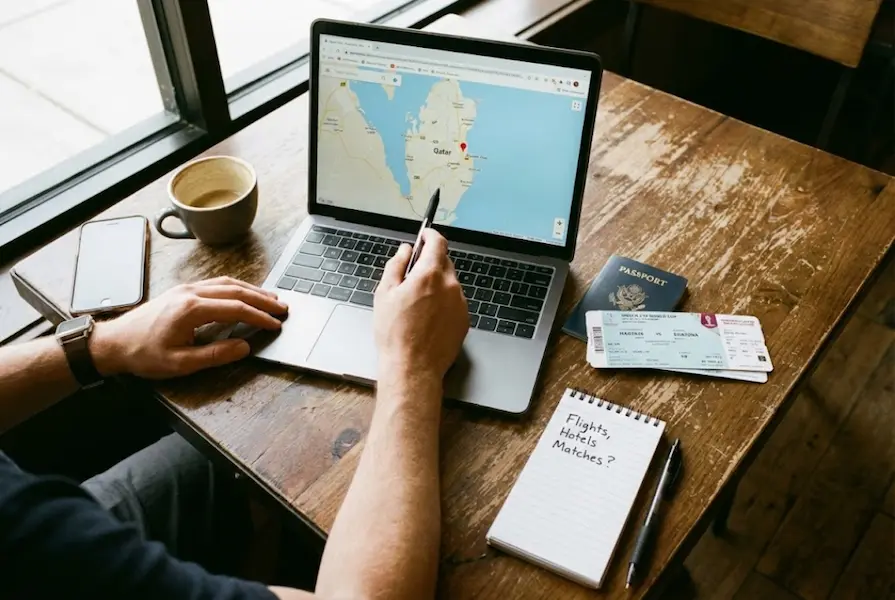
Okay, you’ve made it through the breakdown. What to do right now:
Immediate Actions (Do This Week):
- Check your passport expiration date (needs to be valid 6+ months beyond your trip)
- Research which visa(s) you need
- Set up alerts on FIFA’s ticketing website
- Join World Cup 2026 planning groups on Reddit or Facebook
- Start a budget spreadsheet
Short-Term Actions (Next Month):
- Apply for necessary visas (don’t wait!)
- Decide your travel approach (anchor, regional, or nomadic)
- Look at preliminary accommodation options and prices
- Start saving money dedicated to the trip
- Research host cities and which matches interest you
Medium-Term Actions (3-6 Months Out):
- Book accommodation (seriously, don’t wait too long)
- Buy flights if prices are good
- Plan your rough itinerary
- Get travel insurance
- Make a packing list
Final Preparations (Last Month Before):
- Confirm all bookings
- Download offline maps
- Notify your bank you’ll be traveling
- Pack smart
- Get excited!
Common Questions Answered
When do 2026 World Cup tickets go on sale?
Multiple ticket sales phases ran from September 2024 through early 2026. If you missed the lotteries, check FIFA’s official resale platform where people can sell tickets they can’t use.
Can I buy tickets from third-party sellers?
FIFA strongly discourages this. Many third-party tickets are fraudulent. Stick to FIFA’s official channels and authorized resellers only.
Do I need travel insurance?
Highly recommended. Travel insurance can cover trip cancellations, medical emergencies, and lost luggage. Given the complexity of this trip, the peace of mind is worth it.
Can I watch multiple countries play in one day?
Maybe, depending on the schedule. Group stage matches are often scheduled so you could theoretically see more than one match if they’re in the same city or close cities.
What if my team doesn’t qualify?
Go anyway! The World Cup is about way more than one team. Experience the tournament, pick a new favorite, and enjoy the global celebration of soccer.
Is it safe to travel to these cities?
Generally yes. All host cities are major metropolitan areas with normal city precautions. Stay aware of your surroundings, don’t flash valuables, and use common sense. Research specific neighborhoods before booking accommodation.
Can I travel with family and kids?
Absolutely. The World Cup is a family-friendly event. Many fans bring kids. Just plan for their needs (snacks, entertainment during downtimes, appropriate match times).
What language should I know?
English works in the USA and Canada. In Mexico, Spanish is primary, but you’ll find English speakers in tourist areas. Learning basic phrases in Spanish helps and shows respect.
What about currency?
USA uses US dollars (USD), Canada uses Canadian dollars (CAD), Mexico uses pesos (MXN). Credit cards work almost everywhere. Bring some local cash for tips and small purchases.
Will I need adapters for electronics?
USA and Canada use Type A/B plugs (110V). Mexico uses the same. If you’re coming from Europe, Asia, or elsewhere, bring plug adapters.
Final Thoughts
The 2026 FIFA World Cup is going to be incredible. Yes, planning a trip across three countries with complex visa requirements and competitive accommodation sounds overwhelming. But break it down into steps, start early, and you’ll make it happen.
Remember, this is a once-in-a-lifetime event. In 20 years, you’ll tell stories about the matches you saw, the people you met, and the cities you visited. The memories will far outweigh the hassles of planning.
Stay organized, be flexible when things don’t go perfectly (they won’t), and embrace the chaos. That’s part of the World Cup experience.
Now stop reading and start planning. Those tickets and visas won’t sort themselves out. See you at the stadium!