Padel Tennis Equipment for Beginners: What You Need to Start Playing
You know what? Padel tennis is absolutely exploding right now. And I mean really taking off. If you’re reading this, you’ve probably heard about it from a friend, seen courts popping up in your city, or watched those crazy wall shot videos online. Maybe you’re curious but also a little overwhelmed about what equipment you actually need.
Listen to this: padel went from basically zero courts in the U.S. back in 2019 to over 650 courts across 31 states by 2025. That’s insane growth! And experts predict we’ll hit 30,000 courts and 10 million players by 2030. The sport has a 92% return rate, which means once people try it, they come back. It’s that addictive.
But let me be honest with you. When I first started researching padel equipment, I felt lost. There were so many racket shapes, materials, and brands. Everyone had different opinions. And I definitely didn’t want to waste money on gear that wouldn’t work for me.
That’s why I’m writing this. I’m going to walk you through what you actually need as a beginner in 2026, help you avoid the expensive mistakes I see people make all the time, and show you exactly where to spend your money (and where to save it).
Why Your Equipment Actually Matters (More Than You Think)
Look, I get it. You might be thinking, “It’s just a racket and some balls, right? How complicated can it be?”
But nobody tells beginners this: the right equipment can mean the difference between falling in love with padel and getting frustrated after three sessions. I’ve seen it happen dozens of times. Someone buys the wrong racket, their arm hurts after 20 minutes, they can’t control their shots, and they quit before really giving the sport a chance.
The good news? Padel is actually pretty affordable to get started with. You can get what you need for around $150 to $250. Compare that to golf or skiing, and it’s a steal. But you need to spend that money wisely.
The Racket: Your Most Important Decision
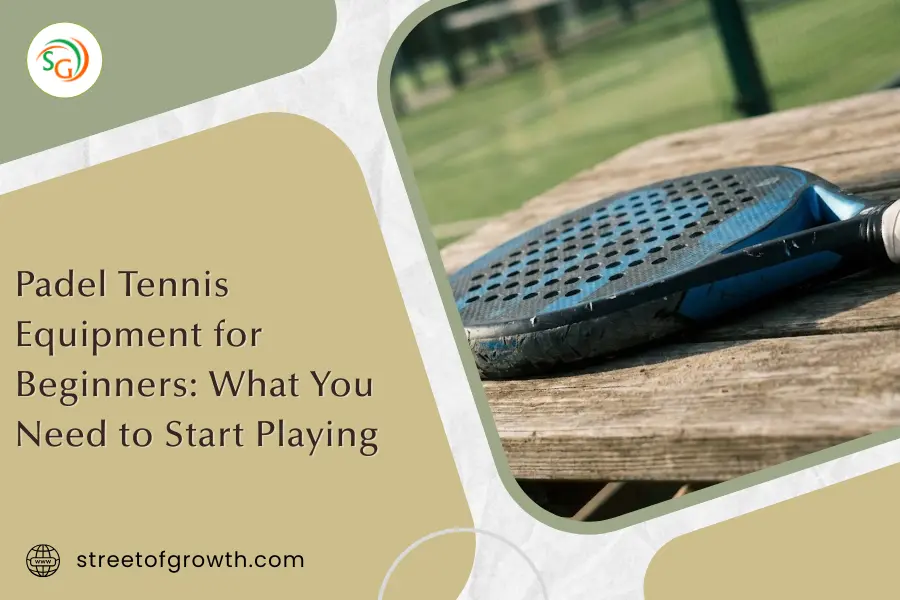
This is where you absolutely cannot mess up. Your racket (some people call it a paddle or bat, but it’s all the same thing) is the foundation of your entire game.
Understanding Racket Shapes
Padel rackets come in three main shapes, and this matters way more than most beginners realize:
Round Rackets are your best friend as a beginner. Period. They have a large sweet spot (that’s the area on the racket face that gives you the best control), the balance point is closer to your hand, and they’re super forgiving when you don’t hit the ball perfectly. You’ll make cleaner shots right from day one.
Teardrop Rackets are the middle ground. They offer a balance between power and control. Honestly? Skip these for now. They’re great once you’ve been playing for six months, but they’re not ideal for learning.
Diamond Rackets are for experienced players who know exactly what they’re doing. They’re top-heavy, powerful, and have a smaller sweet spot. If you’re a beginner and someone tries to sell you a diamond racket, run away. You’ll struggle with control and probably hurt your arm.
Materials That Matter in 2026
This is where it gets interesting, because racket technology has seriously leveled up in 2026. What you need to know:
Core Materials: The inside of your racket is usually made of EVA foam. Soft EVA foam gives you more comfort and power, which is perfect for beginners. It absorbs shock better, so your arm won’t hurt after playing. Hard EVA foam gives more control but feels stiffer. Start with soft.
Surface Materials: Most beginner rackets use fiberglass, which is durable, affordable, and forgiving. Carbon fiber is lighter and more responsive, but it costs more. My advice: start with fiberglass or a fiberglass/carbon mix. Save the full carbon rackets for when you’re more experienced.
2026 Technology You Should Know About
The 2026 racket collections from major brands like Nox, Bullpadel, Adidas, and HEAD have some seriously cool stuff going on:
Weight Balance Systems let you add tiny weights (2 grams or 4 grams) to the handle area to adjust how the racket feels. This is really useful because as you improve, you can adjust the same racket instead of buying a new one.
Dual Spin Technology creates extra texture on the racket surface so you can put more spin on the ball. Even as a beginner, this helps your shots curve and dip in ways that surprise your opponents.
Photochromic Paint actually changes color with temperature. Okay, this is mostly for looks, but let’s be real: looking cool matters when you’re trying a new sport.
Multieva Cores combine different foam densities in different areas. This gives you power where you need it and control where it matters most.
Do you need all these fancy features as a beginner? Honestly, no. But if you’re buying a racket in 2026 anyway, you might as well get something with at least basic versions of these technologies. They’ll help you as you improve.
What to Actually Buy
For beginners in 2026, what I recommend:
Budget Option ($50-$80): Look for a round-shaped racket with soft EVA foam and fiberglass surface. Brands like HEAD Team series, Babolat Reveal, or Wilson Entry Level models are solid choices. Don’t go cheaper than this. Those $30 rackets you see online will break or feel terrible.
Best Value ($90-$150): This is the sweet spot. You get much better quality without overspending. The HEAD Evo Speed 2025, Adidas Drive series, or Nox Essential Series give you technology that’ll last as you improve. I’d personally spend here if you’re committed to playing regularly.
Premium Beginner ($150-$200): If you want the best beginner racket with 2026 tech, look at the Nox AT10 Luxury Lite, Bullpadel Vertex Team, or Adidas Arrow Hit Entry. These have the newest materials and will genuinely last you 1-2 years of regular play.
Key Racket Specs for Beginners
Weight: Look for 350-370 grams. Anything lighter feels flimsy. Anything heavier will tire you out.
Balance: Choose “low balance” or “even balance.” Avoid high balance or “head-heavy” rackets.
Grip Size: Most adults use grip size 2 or 3. The racket should feel comfortable without squeezing too hard.
Padel Balls: Small Detail, Big Difference
Nobody talks enough about balls, and that’s a mistake.
Padel balls look similar to tennis balls, but they’re different in crucial ways. They’re slightly smaller, have less pressure (about 11 psi compared to 14 psi for tennis balls), and bounce lower. This makes the game slower and gives you more time to react.
Never use tennis balls for padel. I cannot stress this enough. The game will be way too fast, the balls will bounce weird off the walls, and you won’t have fun.
For beginners, I recommend buying mid-range balls. Why? Cheap balls ($10 for a tube of 3) lose pressure fast and bounce inconsistently. You’ll think you’re playing badly when really it’s just crappy balls. Premium balls ($20+ for a tube) last longer but aren’t necessary when you’re learning.
Go for brands like Head, Dunlop, Wilson, or Bullpadel. Expect to spend $12-$16 for a good tube of 3 balls. Since padel courts are enclosed, you won’t lose balls like in tennis, so one tube lasts a while.
Pro tip: Buy a 12-ball can instead of individual tubes. The price per ball drops, and you’ll always have fresh balls when the old ones start feeling dead.
Shoes: Don’t Skip This (Your Knees Will Thank You)
I see beginners show up in running shoes all the time. Big mistake. Why?
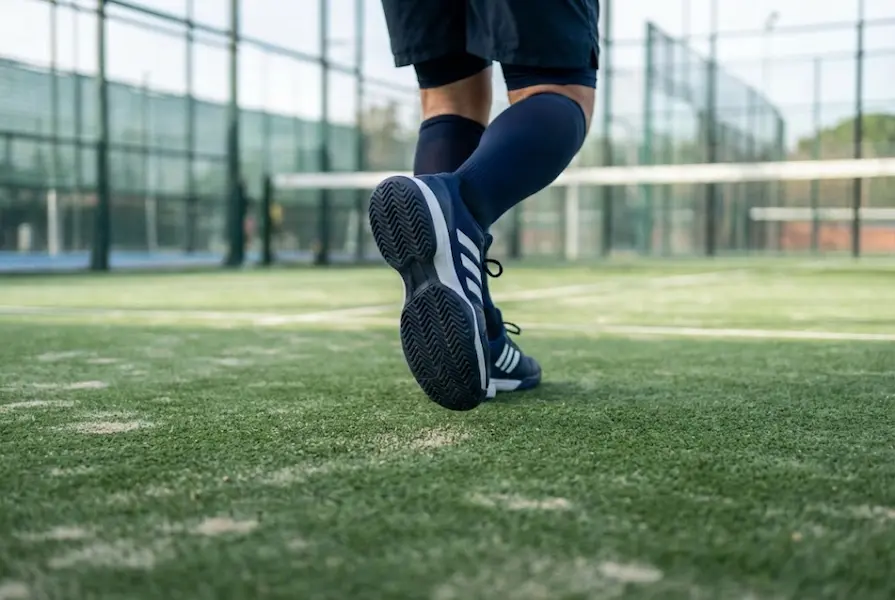
Padel involves constant quick stops, lateral movements, and sudden direction changes. Running shoes are designed for forward motion. They don’t have the lateral support you need, and their cushioning is in the wrong places. You’re asking for common racquet sports injuries like knee pain or a twisted ankle.
What makes padel shoes different:
They have a herringbone or omni-tread pattern on the sole that grips the court surface without sticking. The sole is flatter and wider for stability. They have reinforced sides for lateral support. The toe area is extra durable because you’ll drag your feet during quick changes.
Budget Reality Check:
Basic padel shoes: $50-$70 Mid-range: $80-$110 Premium: $120-$160
Can you use tennis shoes? If you already own clay court tennis shoes with herringbone soles, sure. They’ll work fine to start. All-court tennis shoes can work for indoor courts too.
But if you’re buying new shoes anyway, get padel-specific ones. Your knees and ankles will thank you after a two-hour session.
Good beginner options include Adidas Courtquick, Asics Gel series, or HEAD Sprint Pro. Look for comfort, good cushioning, and that herringbone sole pattern.
The Optional Gear That’s Actually Worth It
Once you have your racket, balls, and shoes, the rest is technically optional. But some things make a huge difference:
Overgrips ($5-$10)
Your racket comes with a factory grip that’s usually thin and doesn’t absorb sweat well. Adding an overgrip on top solves this. It gives you better control, prevents the racket from slipping when you sweat, and protects your original grip.
Replace your overgrip every 10-15 hours of play. It’s cheap and makes your racket feel fresh.
Racket Protector Tape ($8-$15)
This goes around the edge of your racket to protect it from scraping the ground or walls. Some 2026 rackets come with protection already there, but if yours doesn’t, add tape. It’ll extend your racket’s life by months.
A Decent Bag ($30-$60)
You need somewhere to carry your gear. A basic padel bag fits 1-2 rackets, has room for balls and shoes, and has a separate compartment for sweaty clothes. Don’t go crazy here. A simple bag works fine.
Comfortable Athletic Clothes
Any breathable athletic wear works. You don’t need padel-specific clothes. Shorts or leggings, a moisture-wicking shirt, and you’re good. Some people wear sweatbands or caps, especially if playing outdoors.
Your Starter Budget Breakdown
Let me break down realistic costs:
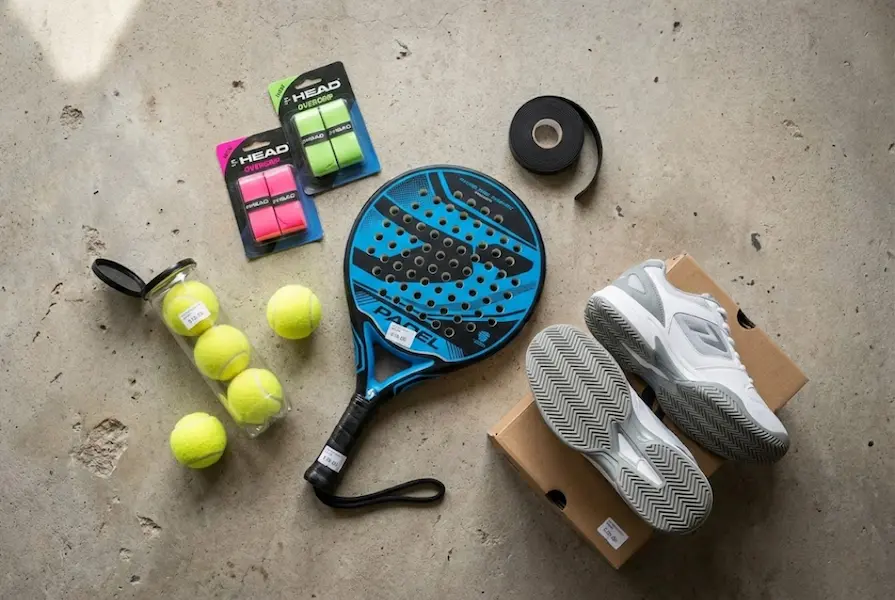
Bare Minimum Setup ($120-$180): Racket: $50-$80 Balls: $15 Shoes: $50-$70 Overgrip: $5-$10
Recommended Setup ($200-$280): Racket: $90-$150 Balls: $15 Shoes: $80-$110 Overgrip: $5 Protector tape: $8
Premium Starter ($300-$400): Racket: $150-$200 Balls: $20 Shoes: $120 Bag: $40 Overgrip: $5 Protector tape: $10 Extra overgrips: $5
My honest recommendation? Go for the middle option. It gives you quality gear that’ll last and grow with you without breaking the bank.
Common Beginner Equipment Mistakes (Don’t Do These!)
After watching hundreds of beginners, I’ve seen the same mistakes over and over:
Mistake 1: Buying Too Expensive Too Soon You don’t need a $250 pro-level racket on day one. You won’t notice the difference, and you might find out you actually prefer a different style. Start reasonable.
Mistake 2: Choosing the Wrong Shape I cannot tell you how many beginners I’ve seen with diamond-shaped rackets. Their friends recommended it, or they thought it looked cool. Then they can’t control their shots and quit. Round shape for beginners. Always.
Mistake 3: Skipping Proper Shoes “I’ll just use my running shoes for now.” Then you roll an ankle or your knees hurt. Shoes matter. Don’t skip them.
Mistake 4: Buying Used Without Testing Used gear can be great for saving money, but you need to test it first. Rackets develop dead spots or cracks you can’t always see. Balls lose pressure. If you buy used, do it from someone who’ll let you try it first.
Mistake 5: Ignoring Comfort If a racket doesn’t feel right in your hand after 10 minutes in the store, it won’t magically feel better after 2 hours on court. Comfort matters more than specs.
When to Upgrade Your Equipment
The truth is this: your first racket won’t be your forever racket. But don’t rush to upgrade.
Upgrade your racket when: You’ve been playing regularly for 6+ months You’ve taken a few lessons and know your playing style Your current racket shows visible wear (cracks, dead spots) You consistently hit well but want more power or spin You’ve developed pain that a better racket might prevent
Signs you’re ready for better shoes: Your current shoes show serious wear on the sole You’re playing 2-3+ times per week You’re feeling knee or ankle discomfort The grip is worn smooth
Don’t upgrade your racket just because: Your friend has a nicer one You lost a few games You saw a pro using a specific model It’s been 3 months (that’s too soon)
Most beginners can stick with their first racket for 12-18 months if they chose well initially.
Where to Buy Your Gear
Local Padel Clubs: Many let you demo rackets before buying. This is ideal. You get to try before you commit. Prices might be slightly higher, but the ability to test is worth it.
Online Specialty Stores: Sites like Padel Souq, PDH Sports, or All for Padel have huge selections. Look for good return policies in case something doesn’t work.
Major Sports Retailers: Some tennis shops now carry padel gear. Selection might be limited, but you can see and feel the equipment in person.
Amazon/General Online: You can find deals here, but be careful. Make sure you’re buying from authorized dealers to avoid fakes. The return policy is your safety net.
Used Marketplaces: Facebook groups, OfferUp, or local classifieds can have good deals. Just inspect everything carefully and test before buying.
Climate and Seasonal Considerations
Something most guides ignore: where you live matters.
Hot, Humid Climates (Florida, Texas summer): Get overgrips that absorb sweat well Consider lighter-weight rackets Look for breathable shoes Keep extra overgrips in your bag
Cold Weather (playing indoors in winter): Rackets with Photochromic or thermal-stable materials handle temperature better Indoor balls might play differently than outdoor balls Bring a small towel for condensation on your grip
Outdoor vs Indoor: Outdoor courts need balls rated for outdoor use Indoor balls have slightly less felt and work on artificial turf Your shoes might need different tread patterns depending on surface type
Maintenance Tips to Make Your Gear Last
Racket Care: Store it in a bag, not loose in your car trunk Avoid extreme temperatures (don’t leave it in a hot car) Check for cracks after hitting walls hard Replace overgrip regularly Clean the surface with a damp cloth occasionally
Ball Care: Keep balls in their pressurized tube when not using Replace balls every 4-6 hours of play Dead balls feel soft and don’t bounce properly
Shoe Care: Clean the soles before storing Air them out after playing Replace when tread is worn smooth
Frequently Asked Questions
How often should I replace my racket?
With normal recreational play (1-2 times per week), expect 2-3 years from a quality racket. If you see cracks, dead spots, or the surface is peeling, it’s time.
Can I use a pickleball paddle for padel?
No. They’re completely different. Pickleball paddles are smaller, lighter, and designed for a totally different game. Don’t even try it.
What’s the difference between men’s and women’s rackets?
Honestly? Mostly marketing. Some women’s models are slightly lighter or have smaller grips, but plenty of women use “men’s” rackets and vice versa. Choose based on weight and comfort, not labels.
Do I need a wrist strap?
Your racket should come with one. Use it. It prevents you from accidentally throwing your racket (yes, this happens) and takes strain off your wrist during play.
Should I get my racket customized?
Not as a beginner. Wait until you really understand your playing style. Then you can add weight, change the balance, or modify the grip size.
How many rackets should I own?
Start with one. Once you’re playing seriously, having a backup is smart in case your main racket breaks or you’re between replacements.
Your Step-by-Step Plan: What to Do Right Now
Okay, you’ve read this whole thing. You’re ready to start. What you need to do:
Step 1: Find your nearest padel court using Google Maps or check the official U.S. Padel Association directory. See if they offer equipment rentals or beginner lessons.
Step 2: If possible, rent equipment for your first session. This lets you try the sport with zero commitment.
Step 3: If you love it (you will), set aside $200-$280 for your starter equipment.
Step 4: Visit a local shop if available, or order online from a site with good return policies. Get a round-shaped racket with soft EVA foam, proper shoes, and a tube of balls.
Step 5: Add an overgrip to your racket immediately.
Step 6: Take at least 2-3 beginner lessons to learn proper technique. This prevents bad habits and potential injuries.
Step 7: Play regularly (at least once a week) for the first month. The sport has a learning curve, but it clicks fast.
Final Thoughts
Look, starting any new sport feels overwhelming. There’s so much information, so many options, and you’re worried about making expensive mistakes. I get it.
But what I want you to remember: padel is designed to be beginner-friendly. The court is enclosed so you don’t lose balls. The rackets are easier to control than tennis rackets. The rules are simple. And 92% of people who try it come back for more.
Your equipment matters, yes. But it doesn’t have to be perfect. A decent round racket, proper shoes, and some balls are enough to fall in love with this sport.
The padel community is incredibly welcoming. Most players started recently too, and everyone remembers being the nervous beginner. Show up, have fun, and don’t stress about having the “perfect” gear.
The sport is exploding in 2026. Courts are opening everywhere. The technology is getting better. The community is growing. There’s never been a better time to start.
So grab that racket, find a court, and I’ll see you out there. Trust me, three months from now, you’ll be the one telling your friends about this amazing sport you discovered.
Now get out there and play.