
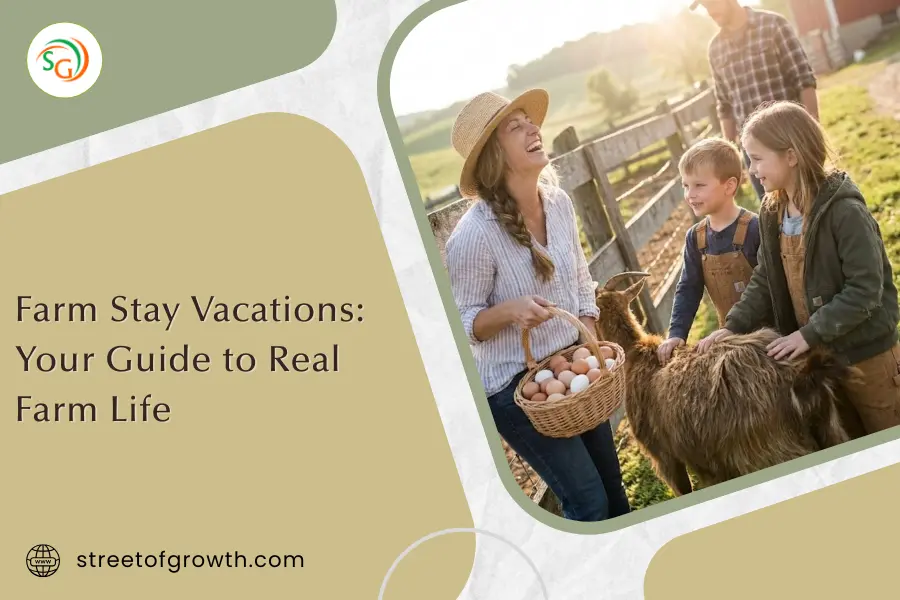
Farm Stay Vacations: Your Guide to Real Farm Life
Picture this: You wake up to the sound of roosters crowing instead of car horns blaring. Your kids are racing outside to collect fresh eggs for breakfast, not scrolling through their phones. You spend your afternoon bottle-feeding baby goats instead of sitting in traffic. This isn’t a fantasy. This is what a farm stay vacation looks like in 2026, and it’s becoming one of the hottest travel trends of the year.
If you’ve been feeling exhausted by crowded tourist spots, overpriced hotels, and vacations that leave you needing another vacation to recover, you’re not alone. Thousands of families are trading busy beach resorts for peaceful farm getaways. According to recent agricultural tourism data, farm-related experiences have surged by 300% in guest reviews, and 84% of travelers are now interested in staying on or near a working farm.
I’m going to walk you through planning the perfect farm stay vacation in 2026.
What Is a Farm Stay Vacation?
A farm stay vacation is exactly what it sounds like: you stay overnight (or for several nights) on a real working farm or ranch. Unlike regular hotels or resorts, you’re not just visiting, you’re actually experiencing farm life firsthand.
These aren’t tourist attractions pretending to be farms. These are real agricultural properties where farmers grow crops, raise animals, and produce food. The difference is that they’ve opened up their land and homes to welcome guests who want to experience something authentic and meaningful.
Think of it as the opposite of a typical vacation. Instead of being served and entertained every minute, you get to participate in real farm activities. You might feed chickens, milk cows, harvest vegetables, ride horses, or simply relax on a porch watching the sunset over rolling hills.
Why Farm Stays Are Exploding in Popularity in 2026
There’s a reason why farm stays have become one of the top travel trends for 2026. What’s driving this movement?
Digital Detox That Actually Works
Most of us are glued to screens all day. Farm stays offer a natural way to unplug without feeling like you’re missing out. When you’re busy feeding animals or exploring nature trails, you won’t even think about checking your email.
Authentic Experiences Over Fake Attractions
People are tired of manufactured tourist experiences. They want something real. Farm stays deliver authenticity you can’t get anywhere else because what you see and do is genuinely part of the farmer’s daily life.
Educational Value for Kids
Children today often don’t know where their food comes from. A farm stay teaches them lessons about agriculture, sustainability, and hard work in ways that stick with them long after the vacation ends.
Escape from Overtourism
While popular destinations are getting more crowded and expensive, farm stays offer peaceful retreats where you won’t fight crowds or wait in long lines.
Sustainable Travel Choice
More travelers care about reducing their environmental impact. Farm stays, especially those practicing organic and regenerative agriculture, align with these values better than traditional tourism.
The “Slow Travel” Movement
Instead of rushing through ten cities in five days, people want to slow down and truly experience a place. Farm stays force you to embrace a slower pace, and that’s exactly what makes them so refreshing.
Types of Farm Stay Experiences
Not all farm stays are the same. You’ll find different types:
Dairy Farms
Perfect if you want to learn about milk production. You’ll typically get to milk cows (by hand or machine), feed calves, and understand the daily routine of dairy farming. These farms often make their own cheese, yogurt, and butter.
Livestock Ranches
These properties raise cattle, sheep, pigs, or goats for meat. Activities include herding animals, moving livestock between pastures, and learning about sustainable ranching practices. Many offer horseback riding too.
Crop Farms and Orchards
You’ll experience planting, harvesting, and maintaining crops. Depending on the season, you might pick apples, berries, vegetables, or help with other farm tasks. Some include cooking classes using what you harvest.
Vineyards and Wineries
Combine farm life with wine tasting. You’ll learn about grape growing, wine production, and often enjoy gourmet meals paired with the farm’s wines. These tend to be more upscale options.
Hobby Farms and Homesteads
Smaller, diverse farms with various animals and crops. Great for families with young kids because they offer gentler, more hands-on experiences. Think chickens, rabbits, gardens, and maybe a few goats.
Luxury Farm Resorts
These offer five-star accommodations with farm experiences included. You get the best of both worlds: authentic farm activities during the day and spa treatments and fine dining at night. Expect to pay premium prices.
Educational Farm Stays
Focus on teaching sustainable agriculture, permaculture, or organic farming methods. These attract people interested in learning skills they can use at home, not just tourists seeking entertainment.
What to Expect During Your Stay
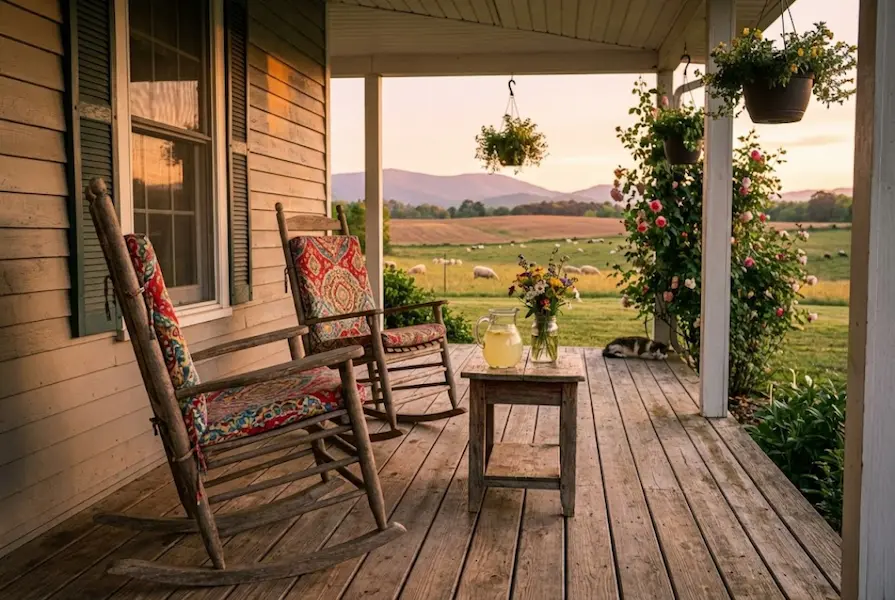
Understanding what a typical farm stay involves helps you prepare mentally and pack appropriately. Most farm stay experiences include:
Morning Activities
Farm days start early, usually around sunrise. Don’t worry, you’re not required to wake up at 5 AM (unless you want to). But morning is when most farm chores happen: feeding animals, collecting eggs, milking cows, and moving livestock to pasture.
Hands-On Participation
Most farms encourage guests to help with age-appropriate tasks. Kids love collecting eggs, feeding chickens, and petting farm animals. Adults might help with heavier work like mucking stalls or harvesting crops, but only if they want to.
Free Time to Wander
You’re not scheduled every minute. Plenty of time exists for hiking trails on the property, reading a book on the porch, fishing in farm ponds, or simply watching animals graze. This balance of activity and relaxation is what makes farm stays so appealing.
Meals
Many farm stays include breakfast, and some offer lunch and dinner too. Food is usually farm-to-table, meaning you’re eating what the farm produces. Expect incredibly fresh eggs, milk, vegetables, and meat. Some farms let you cook your own meals using ingredients from the farm.
Evening Wind-Down
Evenings on farms are peaceful. You might gather around a campfire, stargaze (farms have incredible night skies away from city lights), or participate in evening animal care. Some farms offer special dinners or wine tastings.
Top Activities You’ll Experience
The most popular activities at farm stays based on guest preferences:
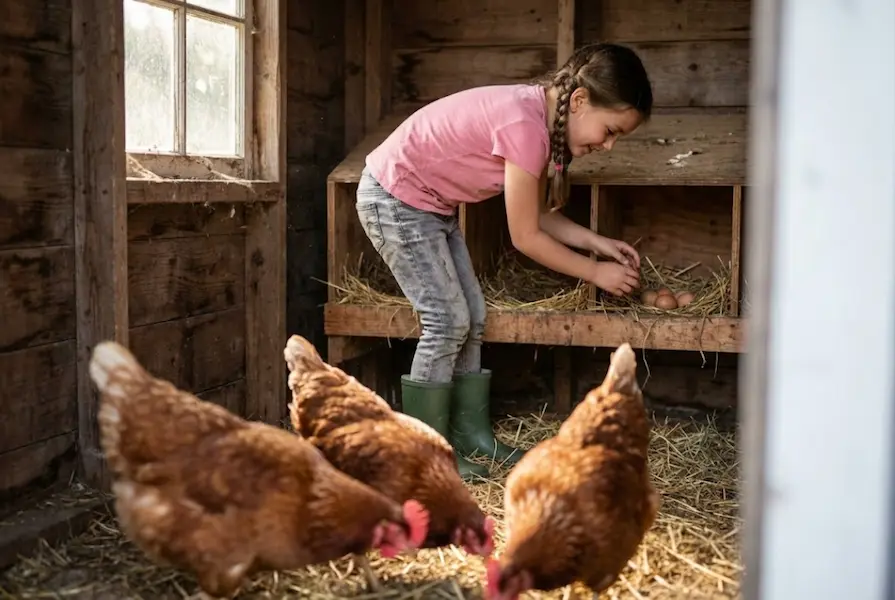
Animal Interactions (62% of guests)
This is the number one draw for most visitors. You’ll get to feed, pet, and care for various farm animals. Popular experiences include bottle-feeding baby goats or calves, collecting eggs from chickens, brushing horses, and watching sheep shearing.
Hiking and Nature Trails (73% of guests)
Most farms sit on large properties with beautiful scenery. Hiking trails let you see forests, meadows, streams, and wildlife habitats. The physical activity helps kids burn energy and provides great photo opportunities.
Gardening and Harvesting (42% of guests)
Depending on the season, you might help plant seeds, weed gardens, water crops, or harvest vegetables and fruits. Many guests find this surprisingly satisfying, especially when they eat what they’ve harvested for dinner.
Cooking and Food Preparation
Some farms offer cooking classes where you learn to make bread, cheese, jam, or other products using farm ingredients. Even without formal classes, many farms encourage guests to prepare meals from scratch.
Horseback Riding
If the farm has horses, riding lessons or trail rides are often available. This is especially popular with kids and adds an adventurous element to the stay.
Seasonal Activities
What you can do depends on when you visit. Spring brings baby animals and planting. Summer offers swimming in farm ponds, berry picking, and longer days outdoors. Fall features harvest activities and beautiful foliage. Winter might include sleigh rides, ice skating on frozen ponds, and cozy fireside evenings.
How to Choose the Right Farm Stay for You
With hundreds of options available, how do you pick the perfect one? Ask yourself these questions:
What’s Your Primary Goal?
Are you seeking relaxation, adventure, education, or all three? Luxury farm resorts prioritize comfort and relaxation. Working farms emphasize hands-on learning. Knowing what matters most helps narrow your choices.
Who’s Coming With You?
Traveling with young kids requires different accommodations than a romantic couple’s getaway or a solo trip. Check if the farm is family-friendly, has age restrictions, or caters to specific groups.
What’s Your Budget?
Farm stays range from $20 per night for camping to $3,000 per night for luxury resorts. Most fall between $80 and $295 per night. Decide what you can afford before searching.
How Involved Do You Want to Be?
Some farms expect genuine participation in daily chores. Others let you observe without getting your hands dirty. Be honest about your energy level and interest in hard work.
What Type of Farm Interests You?
If you love animals, choose a livestock farm. If you’re into cooking, pick a farm with gardens and cooking classes. Wine lovers should look at vineyards. Match the farm type to your interests.
Location and Accessibility
How far are you willing to travel? Farms in remote areas offer more peace but require longer drives. Those near cities provide easier access but might feel less secluded.
Amenities That Matter
Do you need WiFi, air conditioning, private bathrooms, or full kitchens? Some farms offer luxury accommodations while others provide basic cabins or camping. Know what you can’t live without.
Planning Your Farm Stay: Step-by-Step
Step 1: Research and Book Early (3-6 Months Ahead)
Popular farm stays fill up quickly, especially during peak seasons. Start your search at least three months before your desired dates. Use platforms like Farm Stay USA, Airbnb, Vrbo, or Farm Stay Planet to browse options.
Read reviews carefully. Look for mentions of cleanliness, host responsiveness, accuracy of descriptions, and whether the experience met expectations.
Step 2: Contact the Farm Directly
After finding a farm you like, reach out with questions. Ask about:
- What activities are included versus extra cost
- Typical daily schedule
- Meal arrangements (included, self-catered, or nearby restaurants)
- Physical demands of activities
- What to bring and what’s provided
- Cancellation policies
Good hosts appreciate questions and will give you detailed answers. If they seem annoyed or vague, that’s a red flag.
Step 3: Consider the Season
Each season offers different experiences. Spring brings baby animals and new growth. Summer provides warm weather and swimming. Fall features harvest activities and beautiful colors. Winter offers cozy indoor time and unique cold-weather activities.
Match your visit to what you want to experience. If your kids dream of bottle-feeding lambs, spring is ideal. If you want to pick apples, plan for fall.
Step 4: Book Transportation
Most farms aren’t near public transportation. You’ll need a car. Factor in rental costs if you’re flying to the area. Check road conditions if visiting during winter.
Step 5: Prepare Your Family
Especially with kids, set realistic expectations. Explain that farm work can be messy and smelly but also really fun. Show them photos of the farm. Discuss what animals they’ll meet and what activities they’ll do.
Step 6: Pack Appropriately (See Next Section)
Don’t wait until the last minute. Create a packing list two weeks ahead and gather items gradually.
What to Pack for a Farm Stay
Packing right makes your farm stay much more enjoyable. What you need:
Clothing Essentials
- Old clothes you don’t mind getting dirty (this is non-negotiable)
- Long pants for protection from scratches, bugs, and dirt
- Closed-toe shoes with good traction (boots are ideal)
- Layers (farm mornings are cold even in summer)
- Rain jacket or poncho
- Hat for sun protection
- Extra socks and underwear (you’ll go through them faster)
- Comfortable pajamas (nights can be chilly)
Outdoor Gear
- Sunscreen (you’ll be outside a lot)
- Insect repellent (farms have bugs)
- Flashlight or headlamp for evening activities
- Reusable water bottle
- Small backpack for day trips around the property
- Camera or smartphone for photos
Personal Items
- Any prescription medications
- Basic first aid supplies (bandages, pain relievers)
- Hand sanitizer and soap (farms are hands-on)
- Toiletries (some farms provide basics, others don’t)
- Books or games for downtime
What NOT to Bring
- Expensive jewelry or fancy clothes
- White clothing (it will get stained)
- Open-toed shoes or sandals for farm work
- Excessive electronics (embrace the digital detox)
For Families With Kids
- Favorite stuffed animals for comfort
- Motion sickness medication if your child gets carsick
- Snacks for picky eaters (though farm food usually wins them over)
- Activities for rainy days indoors
Cost Breakdown and Budgeting
Understanding the full cost helps you budget accurately and avoid surprises.
Accommodation Costs
Budget Options ($20-$110 per night): Camping spots, basic farmhouse rooms, shared accommodations. Perfect for families on tight budgets or those who prioritize experience over luxury.
Mid-Range ($150-$300 per night): Comfortable cottages, private guesthouses, or renovated farm buildings. These offer privacy, modern amenities, and good locations.
Luxury ($300-$3,000 per night): Resort-style farm hotels with spas, gourmet restaurants, and premium service. Places like Blackberry Farm fall into this category.
What’s Typically Included
Many farm stays include breakfast at minimum. Some offer all meals. Ask upfront what’s covered to avoid budgeting mistakes.
Most basic farm activities (feeding animals, collecting eggs, farm tours) are included in your room rate. Special activities like horseback riding lessons, cooking classes, or spa treatments cost extra.
Additional Costs to Consider
- Gas for driving to the farm (farms are rural)
- Meals not included in your rate ($30-$60 per person per day)
- Optional activities ($25-$100 per person)
- Shopping at farm stores for souvenirs or products
- Pet boarding if you can’t bring your dog (though some farms welcome pets)
Money-Saving Tips
Visit during off-peak seasons (weekdays, shoulder months) for lower rates. Many farms offer discounts for longer stays (three nights or more). Bring your own food if the farm has kitchen facilities. Choose farms that include most activities in the base price.
Best Times to Visit a Farm
Timing matters more on a farm vacation than almost any other trip because the experience changes dramatically with the seasons.
Spring (March-May)
This is when farms come alive after winter. Baby animals are everywhere: lambs, calves, chicks, and kids (baby goats). Watching new life is magical, especially for children.
Planting season begins, so you can help sow seeds and prepare gardens. Weather can be unpredictable with rain and mud, but that’s part of the authentic experience.
Works best for: Families with young kids who love baby animals, photographers, and people who don’t mind cooler, wetter weather.
Summer (June-August)
Peak season for farm stays. Weather is warm and perfect for outdoor activities. Crops are growing rapidly, and you’ll see the farm at its most lush and green.
Activities expand to include swimming in farm ponds, longer hikes, camping, and evening bonfires. Berry picking (strawberries, blueberries, blackberries) is a highlight.
Downside: Higher prices and more crowded (though farms never feel as crowded as hotels). Heat can be intense during midday.
Works best for: Families on summer break, outdoor enthusiasts, and those wanting the full range of activities.
Fall (September-November)
Many people consider this the best time for farm stays. Harvest season means you can pick apples, pumpkins, and other crops. Fall colors make the scenery stunning.
Weather is comfortable, not too hot or cold. Farm stands overflow with fresh produce. Many farms offer special fall activities like hayrides, corn mazes, and cider pressing.
Works best for: Couples seeking romantic getaways, families wanting classic farm experiences, and anyone who loves autumn.
Winter (December-February)
The quietest season for farm stays but underrated. Farms slow down in winter, giving you a more intimate, peaceful experience. You might help with feeding animals in the snow, collecting maple syrup, or enjoying cozy fireside evenings.
Some farms offer winter activities like sleigh rides, ice skating on farm ponds, or snowshoeing. Others close completely, so check availability.
Works best for: Couples wanting privacy, families seeking unique holiday experiences, and people who love winter activities.
Benefits of Farm Stays for Families and Kids
If you’re traveling with children, farm stays offer advantages traditional vacations simply can’t match.
Real Learning That Sticks
Kids learn where food comes from by seeing it firsthand. They understand that milk doesn’t magically appear in cartons and eggs don’t originate in grocery stores. These lessons create lasting impressions that influence their relationship with food.
Physical Activity Every Day
No need to force kids to “go play outside.” Farm activities naturally involve movement: walking to see animals, climbing hay bales, running through fields, and helping with chores. Kids sleep better at night after active days.
Responsibility and Confidence Building
When children successfully feed chickens, collect eggs, or help water gardens, they feel accomplished. These small responsibilities build confidence and teach them about caring for living things.
Limited Screen Time Naturally
You won’t have to fight with kids about putting down devices. Farms are so engaging that children voluntarily choose real experiences over screens. WiFi is often limited anyway, which removes the temptation.
Quality Family Time
Farm stays force families to interact without distractions. Working together to finish chores, walking trails together, and sharing farm-fresh meals creates bonding opportunities that don’t happen during typical vacations.
Respect for Nature and Animals
Kids develop empathy for animals and appreciation for nature through direct interaction. They learn that farming requires hard work and dedication, which often makes them more grateful for what they have.
Common Mistakes to Avoid
Learn from others’ errors to make your farm stay smoother.
Expecting Hotel-Level Service
Farms are working properties, not luxury hotels. The focus is on authentic experiences, not perfect service. Hosts are usually farmers first and hospitality providers second. Adjust your expectations accordingly.
Packing the Wrong Clothes
This is the number one complaint in negative reviews. People arrive in nice clothes and realize they’re completely inappropriate for farm life. Pack old, ordinary clothing you can ruin.
Not Asking Questions Beforehand
If you have concerns about accessibility, allergies, dietary restrictions, or physical limitations, speak up before booking. Most hosts will accommodate you if they know in advance, but surprises on arrival can ruin the experience.
Visiting During the Wrong Season
If your heart is set on picking strawberries or meeting baby animals, verify the timing. Seasons vary by region, and what’s harvest time in California might be planting time in Vermont.
Bringing Too Much Stuff
Farm accommodations are often smaller and simpler than hotels. You don’t need five outfit choices per day. Keep luggage minimal.
Being Too Passive
Farms reward participation. Yes, you can relax, but the magic happens when you engage. Try activities even if they seem outside your comfort zone. You’re living farm life, not just watching it.
Not Respecting Farm Rules
Farms have safety rules for good reasons. Stay out of restricted areas, don’t approach animals without permission, and follow host instructions. Farm equipment is dangerous, and animals can be unpredictable.
Arriving Hungry
Many farms are far from restaurants and grocery stores. If meals aren’t included and kitchen facilities are limited, bring snacks and easy-to-eat food for your first night.
Frequently Asked Questions
Are farm stays safe for young children?
Yes, most farm stays welcome families with children. Farms designed for guests have safety measures in place. However, always supervise young kids around animals and equipment. The CDC recommends basic precautions when interacting with farm animals, including proper handwashing and supervision. Ask hosts about age-appropriate activities and any restrictions.
Can I bring my dog?
Some farms welcome pets, others don’t allow them because of farm animals. Always ask before assuming. If dogs are allowed, expect rules about leashes, cleanup, and where pets can go.
What if I have no farming experience?
Perfect! You don’t need any experience. Hosts expect beginners and will teach you. That’s part of the appeal, learning something completely new.
Are farm stays dirty?
They’re agricultural properties, so yes, you’ll encounter dirt, mud, and animal smells. But accommodations themselves are typically clean. The “dirty” part is the authentic farm work, which most people find enjoyable rather than off-putting.
What if the weather is bad?
Farms operate in all weather. Rain doesn’t stop farm chores (animals still need feeding). Most farms have indoor activities or covered areas for bad weather. Some even say rainy days make the experience more authentic.
How physically demanding are farm stays?
It varies widely. Some farms offer mostly observation with light activities. Others involve genuine manual labor. Be honest about your fitness level when choosing a farm and ask hosts about physical demands.
Can vegetarians or vegans enjoy farm stays?
Absolutely. Many farms are vegetable or fruit operations with no meat production. Others are happy to accommodate dietary restrictions if you communicate your needs in advance.
Do I need to book far ahead?
For popular farms during peak seasons, yes. Book 3-6 months ahead. For off-season or weekday visits, you might find last-minute availability.
What happens if I hate it?
Most people love farm stays, but if it’s not your thing, you’ll know quickly. Many farms have minimum stay requirements (2-3 nights), so you might be stuck. That’s why research and asking questions beforehand matters so much.
Are farm stays only for families?
Not at all! Couples love the romantic, peaceful atmosphere. Solo travelers enjoy the chance to unplug and learn. Groups of friends find them fun and different. Farm stays work for any traveler seeking authentic experiences.
Making Your 2026 Farm Stay Reservation
Ready to book? What you should do:
Start by visiting Farm Stay USA, Farm Stay Planet, or Airbnb to browse options in your desired location. Read multiple reviews to get an accurate picture of each property.
Once you find three to five farms that interest you, compare them on price, activities offered, accommodation style, and location. Create a simple comparison chart if helpful.
Contact your top choice directly with questions. A responsive, friendly host who takes time to answer thoroughly is a good sign.
Book at least 3-6 months ahead for peak season visits. For off-peak times, 6-8 weeks might suffice. Confirm exactly what’s included in your rate to avoid surprises.
Mark your calendar and start your packing list early. Get excited! You’re about to experience something completely different from typical vacations.
Farm stay vacations in 2026 offer what modern travelers crave most: authenticity, connection, and meaning. Whether you’re seeking family bonding, educational experiences, or simply a break from the chaos of everyday life, farm stays deliver in ways traditional vacations can’t.
The trend isn’t slowing down. More families are finding that their best vacation memories don’t come from expensive resorts or tourist attractions but from feeding chickens at sunrise, picking vegetables for dinner, and falling asleep to the peaceful sounds of the countryside.
Your farm adventure is waiting. Book it, pack smart, arrive with an open mind, and prepare for a vacation you’ll be talking about for years to come.