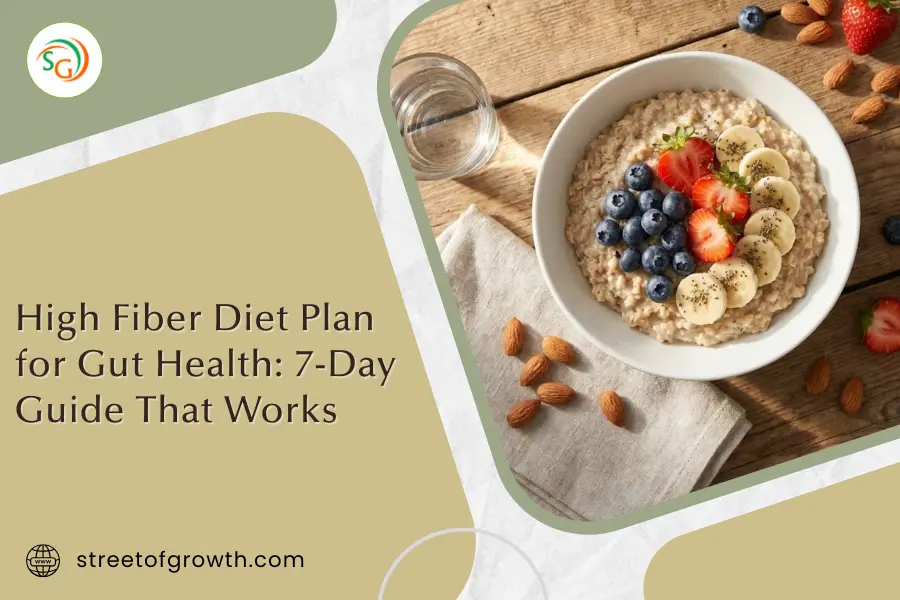
High Fiber Diet Plan for Gut Health: 7-Day Guide That Works in 2026
Your stomach feels heavy. You’re bloated after every meal. Your energy crashes at 2 PM. And no matter what you eat, something just feels off.
Nobody tells you this: your gut is probably starving. Not for more food, but for the right kind of fiber that feeds the good bacteria living inside you.
In 2026, scientists have discovered something incredible. The trillions of tiny bacteria in your gut control way more than digestion. They affect your mood, your weight, your skin, your immune system, and even how well you sleep. And these bacteria have one favorite food: fiber.
This guide will show you exactly how to eat more fiber the right way so you can fix your gut health, feel lighter, and have more energy than you’ve had in years.
Why Everyone Is Talking About Fiber in 2026
Something big is happening in the health world right now. People are realizing that fiber does way more than keep you regular (though it helps with that too). It feeds your gut microbiome, the community of good bacteria that keeps you healthy.
New research in 2025 and early 2026 shows that people who eat 30-40 grams of fiber daily have:
- Better digestion with less bloating
- Stronger immune systems (70% of your immune system lives in your gut)
- More stable blood sugar levels
- Lower inflammation throughout the body
- Better mental health and less anxiety
- Easier weight management
The problem? Most Americans only eat 10-15 grams of fiber per day, well below the recommended 25-38 grams. That means your gut bacteria are basically starving, and that’s why you feel terrible.
What Fiber Actually Does Inside Your Gut
Think of your gut like a garden. The good bacteria are the plants, and fiber is the fertilizer. When you eat fiber-rich foods, this is what happens:
Step 1: The fiber travels through your stomach and small intestine without being fully digested.
Step 2: It reaches your colon (large intestine), where trillions of good bacteria are waiting.
Step 3: These bacteria eat the fiber and create something called short-chain fatty acids (SCFAs). Don’t worry about the fancy name. These are like super fuel for your gut lining. Research shows these compounds play a critical role in reducing inflammation and supporting overall health.
Step 4: Your gut lining gets stronger, inflammation goes down, and your whole body starts working better.
When you don’t eat enough fiber, the good bacteria die off. Bad bacteria take over. Your gut lining gets weak and leaky. Studies show this can lead to bloating, constipation, weight gain, skin problems, and constant fatigue.
The Two Types of Fiber You Need to Know
Not all fiber is the same. There are two main types, and you need both:
Soluble Fiber (The Gel Maker)
This type dissolves in water and turns into a gel-like substance in your gut. It helps you feel full longer, slows down sugar absorption, and feeds your good gut bacteria.
Best sources:
- Oats and oatmeal
- Beans and lentils
- Apples and berries
- Sweet potatoes
- Chia seeds and flaxseeds
Insoluble Fiber (The Broom)
This type doesn’t dissolve in water. It acts like a broom, sweeping through your intestines and helping everything move smoothly. It prevents constipation and keeps you regular.
Best sources:
- Whole wheat bread and brown rice
- Nuts and seeds
- Vegetables like broccoli, carrots, and cauliflower
- Corn
- Potato skins
You need both types every day. The good news? Most high-fiber foods contain both types naturally.
Your 7-Day High Fiber Meal Plan for Gut Health
This plan gives you 35-40 grams of fiber daily. It’s designed to be simple, affordable, and easy to follow. You don’t need to cook fancy meals or buy expensive ingredients.
Day 1: Getting Started
Breakfast: Oatmeal with sliced banana, a tablespoon of chia seeds, and a handful of blueberries (10g fiber)
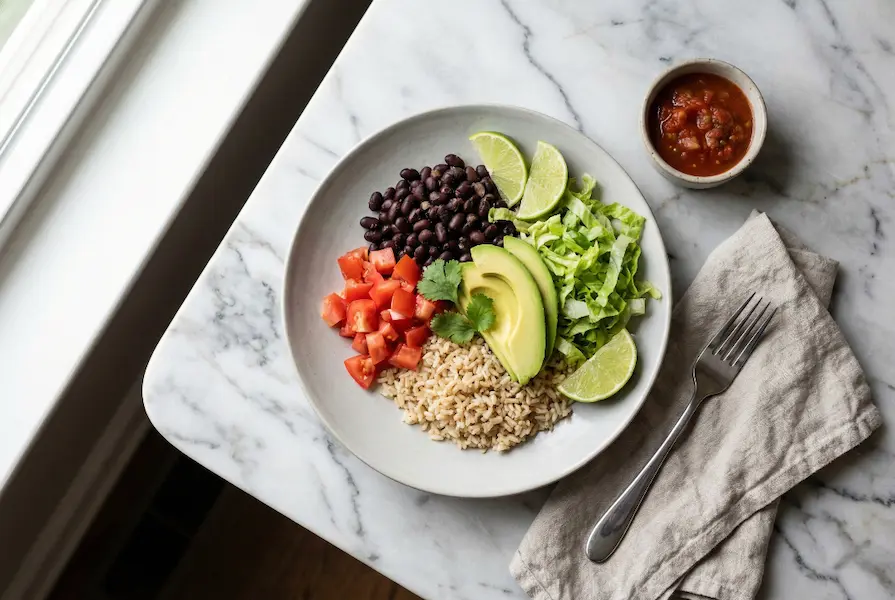
Lunch: Black bean and vegetable burrito bowl with brown rice, lettuce, tomatoes, and avocado (12g fiber)
Snack: Apple slices with 2 tablespoons of almond butter (5g fiber)
Dinner: Grilled chicken with roasted sweet potato and steamed broccoli (9g fiber)
Total Fiber: 36 grams
Day 2: Building the Habit
Breakfast: Whole wheat toast with mashed avocado and a side of raspberries (9g fiber)
Lunch: Lentil soup with a whole grain roll and side salad (13g fiber)
Snack: Carrot sticks with hummus (4g fiber)
Dinner: Baked salmon with quinoa and roasted Brussels sprouts (11g fiber)
Total Fiber: 37 grams
Day 3: Mixing It Up
Breakfast: Greek yogurt with granola, ground flaxseed, and mixed berries (8g fiber)
Lunch: Chickpea salad wrap with whole wheat tortilla, spinach, and cucumber (11g fiber)
Snack: A pear and a small handful of walnuts (6g fiber)
Dinner: Turkey chili with kidney beans served over brown rice (14g fiber)
Total Fiber: 39 grams
Day 4: Easy and Delicious
Breakfast: Smoothie bowl with banana, spinach, chia seeds, topped with sliced strawberries and granola (10g fiber)
Lunch: Whole grain pasta salad with white beans, cherry tomatoes, and olive oil (12g fiber)
Snack: Orange and a handful of almonds (5g fiber)
Dinner: Stir-fry with tofu, mixed vegetables (bell peppers, snap peas, carrots), and brown rice (10g fiber)
Total Fiber: 37 grams
Day 5: Keeping It Simple
Breakfast: Two slices of whole grain toast with peanut butter and sliced banana (9g fiber)
Lunch: Minestrone soup with a whole wheat roll (11g fiber)
Snack: Celery sticks with almond butter and raisins (4g fiber)
Dinner: Baked chicken breast with wild rice and roasted cauliflower (12g fiber)
Total Fiber: 36 grams
Day 6: Weekend Friendly
Breakfast: Whole grain pancakes topped with fresh berries and a side of scrambled eggs (8g fiber)
Lunch: Veggie burger on a whole wheat bun with sweet potato fries (13g fiber)
Snack: Trail mix with dried fruit, nuts, and seeds (5g fiber)
Dinner: Grilled shrimp tacos with corn tortillas, black beans, cabbage slaw, and salsa (11g fiber)
Total Fiber: 37 grams
Day 7: Finishing Strong
Breakfast: Overnight oats made with rolled oats, chia seeds, almond milk, and topped with sliced apple (11g fiber)
Lunch: Three-bean salad with mixed greens and whole grain crackers (14g fiber)
Snack: Edamame (steamed soybeans) (4g fiber)
Dinner: Baked cod with roasted root vegetables (carrots, parsnips, beets) and quinoa (10g fiber)
Total Fiber: 39 grams
Best High-Fiber Foods: A Quick Comparison
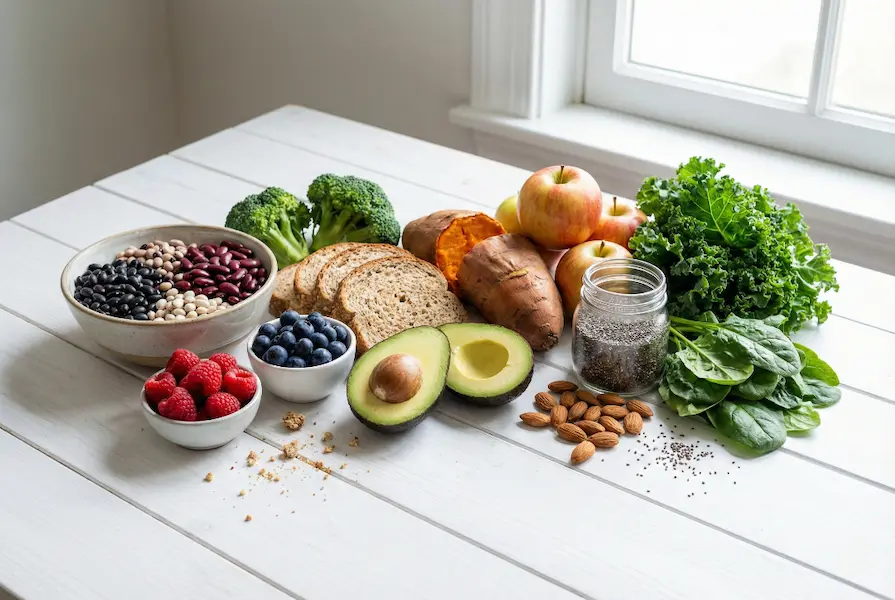
This simple table shows the top fiber sources and how much fiber you get per serving:
| Food | Serving Size | Fiber Content | Type of Fiber |
|---|---|---|---|
| Navy beans | 1 cup cooked | 19g | Both types |
| Lentils | 1 cup cooked | 16g | Both types |
| Black beans | 1 cup cooked | 15g | Both types |
| Raspberries | 1 cup | 8g | Both types |
| Chia seeds | 2 tablespoons | 10g | Mostly soluble |
| Avocado | 1 medium | 10g | Both types |
| Oatmeal | 1 cup cooked | 8g | Mostly soluble |
| Broccoli | 1 cup cooked | 5g | Both types |
| Sweet potato | 1 medium with skin | 6g | Both types |
| Almonds | 1/4 cup | 4g | Mostly insoluble |
| Apple | 1 medium with skin | 4g | Both types |
| Whole wheat bread | 2 slices | 4g | Mostly insoluble |
| Brown rice | 1 cup cooked | 4g | Mostly insoluble |
| Pear | 1 medium | 6g | Both types |
| Quinoa | 1 cup cooked | 5g | Both types |
5 Big Mistakes People Make When Adding Fiber
Mistake #1: Adding Too Much Fiber Too Fast
If you currently eat 10 grams of fiber per day and suddenly jump to 40 grams, your gut will rebel. You’ll experience painful bloating, gas, and cramps.
The Fix: Increase your fiber intake slowly. Add 5 grams per week. Give your gut bacteria time to adjust and multiply. If you start on Monday eating 10 grams, aim for 15 grams by next Monday, then 20 grams the following week.
Mistake #2: Not Drinking Enough Water
Fiber needs water to work properly. Without enough water, fiber can actually cause constipation instead of fixing it.
The Fix: Drink at least 8 glasses (64 ounces) of water per day. When you increase your fiber intake, increase your water intake too. A good rule is to drink one extra glass of water for every 10 grams of fiber you add.
Mistake #3: Only Eating One Type of Fiber
Some people only eat salads (insoluble fiber) or only eat oatmeal (soluble fiber). Your gut needs both types to stay healthy.
The Fix: Eat a variety of high-fiber foods throughout the day. Aim for at least 3 different fiber sources at each meal. For example, breakfast could include oats (soluble), berries (both types), and nuts (insoluble).
Mistake #4: Relying Only on Fiber Supplements
Fiber supplements like Metamucil can help, but they don’t provide the same benefits as whole foods. Real food contains vitamins, minerals, and plant compounds that supplements lack.
The Fix: Get most of your fiber from real food. Use supplements only when you absolutely need a quick boost or when traveling.
Mistake #5: Peeling Your Fruits and Vegetables
The skins of apples, potatoes, cucumbers, and other produce contain tons of fiber. When you peel them, you throw away the best part.
The Fix: Wash your produce well and eat the skins whenever possible. An apple with skin has 4 grams of fiber. Without the skin? Only 2 grams.
How Long Until You See Results?
Everyone’s gut is different, but this is a general timeline:
Days 1-3: You might feel more bloated or gassy as your gut adjusts. This is normal. Don’t give up.
Week 1: Bowel movements become more regular. You’ll notice you’re going to the bathroom around the same time each day.
Week 2: Bloating starts to decrease. You feel lighter after meals. Energy levels begin to improve.
Week 3-4: You notice better digestion. Food doesn’t sit heavy in your stomach. Your skin might look clearer.
Month 2-3: Weight management becomes easier. Cravings for junk food decrease. Your mood and energy are more stable throughout the day.
Month 6+: Your gut microbiome has changed completely. You have more good bacteria, less inflammation, and your health improves significantly.
What to Do If You’re Still Having Problems
If you’ve been eating more fiber for 2-3 weeks and you’re still experiencing major bloating, pain, or constipation, try these troubleshooting steps:
Check your water intake: Are you really drinking enough? Measure it for a few days to be sure.
Review your fiber sources: Are you eating too much insoluble fiber (bran, wheat) and not enough soluble fiber (oats, beans)? Balance it out.
Eat smaller portions more often: Instead of three huge high-fiber meals, try five smaller meals spread throughout the day.
Try cooked vegetables instead of raw: Raw vegetables can be hard to digest. Steaming or roasting them makes the fiber easier on your gut.
Consider food sensitivities: Some people have trouble with specific high-fiber foods like beans or wheat. Try eliminating one type at a time for a week to see if symptoms improve.
Talk to a doctor: If problems continue for more than a month, you might have an underlying condition like IBS that needs medical attention.
Simple Shopping List to Get Started
Copy this list and take it to the grocery store. These items will set you up for success:
Grains and Starches:
- Rolled oats
- Brown rice
- Quinoa
- Whole wheat bread
- Whole wheat pasta
- Sweet potatoes
Proteins:
- Black beans (canned or dried)
- Lentils (canned or dried)
- Chickpeas (canned or dried)
- Chicken breast
- Salmon or other fish
- Eggs
Fruits:
- Apples
- Bananas
- Berries (fresh or frozen)
- Oranges
- Pears
Vegetables:
- Broccoli
- Carrots
- Spinach or mixed greens
- Bell peppers
- Brussels sprouts
- Cauliflower
Nuts and Seeds:
- Almonds
- Walnuts
- Chia seeds
- Ground flaxseed
- Peanut butter or almond butter
Other:
- Avocados
- Hummus
- Greek yogurt
- Olive oil
Frequently Asked Questions
How much fiber do I really need per day?
Most adults should aim for 25-35 grams per day. Women need about 25 grams, and men need about 30-35 grams. If you’re very active or have specific health goals, you might benefit from up to 40 grams.
Can I eat too much fiber?
Yes. Eating more than 50-70 grams per day can cause problems like bloating, gas, and nutrient absorption issues. Stick to 25-40 grams for optimal gut health.
Will fiber help me lose weight?
Fiber helps with weight loss in several ways. It makes you feel full longer, stabilizes blood sugar, and reduces cravings. However, fiber alone won’t cause weight loss. You still need to eat reasonable portions and stay active.
What if I’m always bloated when I eat fiber?
Start slower. You might be increasing fiber too quickly. Also check your water intake and try eating more cooked vegetables instead of raw ones. Soluble fiber (oats, beans) is usually gentler than insoluble fiber (wheat bran).
Are fiber supplements as good as food?
No. Whole foods provide fiber plus vitamins, minerals, antioxidants, and beneficial plant compounds. Supplements only give you isolated fiber. Use supplements as a backup, not your main source.
Can kids eat a high-fiber diet?
Yes, but they need less fiber than adults. A simple formula: add 5 to your child’s age. A 7-year-old needs about 12 grams of fiber daily. Always introduce new foods gradually.
What’s the best fiber for constipation?
A mix works best. Focus on soluble fiber like oats, beans, and fruit to soften things up, plus insoluble fiber like vegetables to keep everything moving. And drink plenty of water.
Does cooking destroy fiber?
No. Cooking doesn’t destroy fiber. However, overcooking vegetables can break down some beneficial plant compounds. Light steaming or roasting is ideal.
Can I eat high-fiber foods if I have IBS?
Some people with IBS need to be careful with certain fibers, especially FODMAPs (found in beans, wheat, onions, garlic). Work with a doctor or dietitian to find which fibers work for you.
How do I know if my gut health is improving?
Signs of better gut health include regular bowel movements (once or twice per day), less bloating, more energy, better mood, clearer skin, and fewer food cravings.
Your Action Plan for the Next 30 Days
Exactly what to do starting today:
Week 1: Calculate how much fiber you currently eat using a food tracking app. Add one high-fiber food to each meal. Drink an extra glass of water with each meal.
Week 2: Follow the 7-day meal plan provided in this guide. Notice how you feel. Track your energy levels and digestion.
Week 3: Create your own meal combinations using the food comparison table. Experiment with recipes. Find your favorite high-fiber foods.
Week 4: Make high-fiber eating automatic. Prep meals in advance. Keep high-fiber snacks available. Share your progress with friends or family for accountability.
What This Means for You
Your gut health controls more of your health than you realize. When you feed your gut bacteria the fiber they need, everything improves. Your digestion, your energy, your mood, your immune system, and even your weight.
The secret is simple: eat 30-40 grams of fiber per day from real, whole foods. Increase slowly. Drink plenty of water. Give your body time to adjust.
In 2026, the science is clear. Fiber does way more than keep you regular. It builds a strong, healthy gut that supports your entire body. Start today with one high-fiber meal. Your gut (and your future self) will thank you.
Ready to fix your gut health? Print this meal plan, make your shopping list, and start tomorrow morning with a big bowl of oatmeal topped with berries and chia seeds. That one simple breakfast contains 10 grams of fiber and will set you up for success all day long.
Your healthier gut starts now.