How to Politely Follow Up on an Email With No Response – 7 Proven Steps
You sent an important email three days ago. You checked it twice to make sure everything looked professional. The subject line was clear. The message was polite. You even included all the details they needed to respond quickly.
And then… nothing.
No reply. No acknowledgment. Just complete silence.
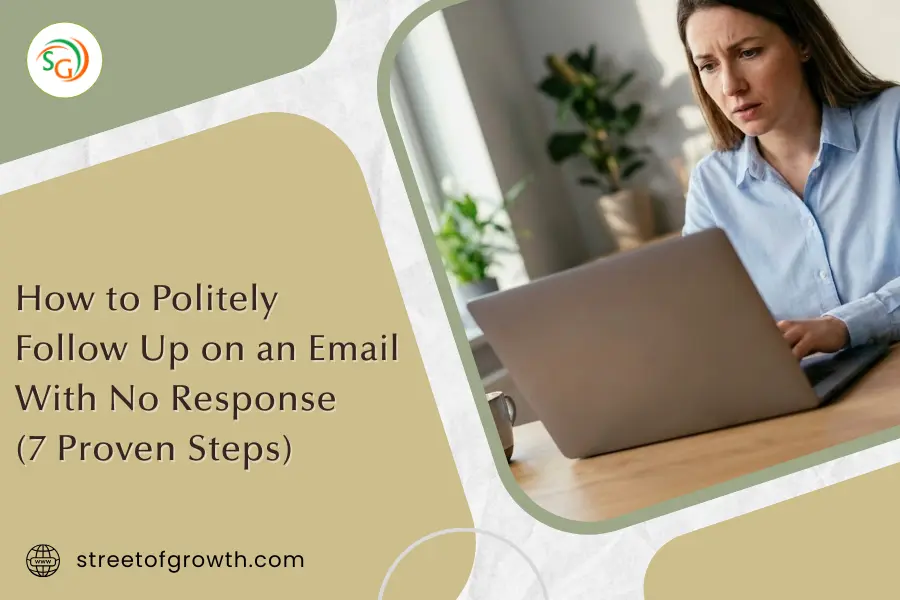
Now you’re stuck in that uncomfortable space between wanting an answer and not wanting to seem pushy. You keep refreshing your inbox, hoping their response magically appears. You wonder if they even saw your email. Did it go to spam? Are they ignoring you on purpose? Should you send a follow-up, or will that make things worse?
If this sounds familiar, you’re not alone. Studies show that 48% of people never follow up after their first email, which means they miss out on responses they could have gotten. Meanwhile, research from business communication experts proves that just one follow-up email can increase your response rate by 22%. In fact, the first follow-up email gets a 40% higher response rate than your original message.
But here’s the problem: following up the wrong way can damage relationships, hurt your professional reputation, and guarantee you’ll never hear back. Send it too soon, and you look desperate. Wait too long, and they’ve completely forgotten about you. Use the wrong tone, and you come across as rude or annoying.
This guide will show you exactly how to follow up on an email when someone hasn’t responded, without crossing the line into pushy territory. You’ll learn when to follow up, what to say, and how to increase your chances of finally getting that reply.
Why People Don’t Respond to Your Emails (It’s Usually Not Personal)
Before you send a follow-up, it helps to understand why people don’t respond in the first place. Most of the time, it has nothing to do with you or your message.
Email Overload Is Real
The average worker receives over 100 emails per day and spends nearly 25% of their workday just checking email. About 40% of people have at least 50 unread emails sitting in their inbox at any given moment. Research from the Pew Research Center found that email remains the dominant workplace communication tool, with 93% of professionals checking it daily. Your email isn’t being ignored because it’s bad. It’s drowning in a sea of other messages competing for attention.
The Psychology of Email Anxiety
Psychologists have found that people often avoid responding to emails because of anxiety. When someone sees an email that requires effort (like clicking links, reading attachments, or making a decision), they tell themselves, “I’ll handle this later.” But “later” never comes. Studies on procrastination and emotional regulation show this creates a cycle where the longer they wait, the more anxious they feel about responding, which makes them avoid it even more.
Context Switching Is Exhausting
Switching between tasks, especially between different communication platforms, is mentally draining. When someone is deep into their work, stopping to respond to your email means breaking their focus. They might read your message, fully intend to respond, and then get pulled back into what they were doing. Research on workplace email and job stress shows that constant email interruptions increase tension and reduce productivity. Before they know it, your email is buried under 20 new messages.
They Don’t Know What to Say
Sometimes people defer responding because your email is unclear, too complex, or asks multiple questions at once. If someone reads your message and isn’t sure how to answer, they’ll postpone replying until they have time to figure it out. Unfortunately, that time rarely comes.
The Responsibility Gets Diluted
If you copied multiple people on your email, each recipient might assume someone else will respond. This is called diffusion of responsibility. Everyone thinks, “Someone will handle this,” so nobody does.
They’re Waiting on Information
Your recipient might need to check with someone else, look up data, or wait for something to happen before they can give you a proper answer. Instead of sending a quick “I’ll get back to you soon” message, they decide to wait until they have the full answer. Then they forget.
The bottom line? Most people who don’t respond aren’t trying to be rude. They’re overwhelmed, distracted, or genuinely forgot. A polite follow-up gives them a gentle reminder and makes it easier for them to finally reply.
Should You Follow Up? The Decision Framework
Not every email deserves a follow-up. Before you hit send, ask yourself these questions:
1. Did They Actually See Your Email?
Check if your email could have ended up in spam or been filtered. If you used an unfamiliar email address, mentioned certain keywords, or attached large files, there’s a chance they never saw it. A follow-up in this case is completely reasonable.
2. Is Your Request Time-Sensitive?
If you need information for a deadline, a decision before a specific date, or a response to move forward with something important, following up makes sense. If your email was just a casual suggestion or low-priority request, you might want to let it go.
3. What’s Your Relationship With This Person?
Following up with a close colleague or existing client is different from following up with a stranger. You can be more direct with people you already know. With cold contacts or new connections, you need to tread more carefully.
4. Did You Make It Easy to Respond?
Look back at your original email honestly. Was your message clear? Did you ask a single, specific question, or did you dump multiple requests on them? Did you provide all the context they needed? If your email was confusing or demanded too much effort, following up won’t help unless you simplify your ask.
5. Have You Already Followed Up Multiple Times?
If you’ve sent three follow-ups with no response, it’s time to accept that they’re either not interested or genuinely cannot respond right now. Continuing to follow up at this point will only damage your reputation.
If you answered yes to questions 1 through 3, and your original email was clear and reasonable, then following up is the right move.
When to Send Your Follow-Up Email (Timing Matters)
Timing can make or break your follow-up. Send it too early, and you seem impatient. Wait too long, and the conversation goes cold.
General Rule: Wait 3 to 5 Business Days
For most professional situations, waiting three to five business days after your initial email is the sweet spot. This gives them enough time to see and process your message without feeling rushed, but not so much time that they’ve completely forgotten about it.
Exception 1: After a Meeting or Interview
If you just had a meeting, interview, or phone call, you can follow up much sooner. Send a thank-you email within 24 hours, and if you need additional information or a decision, you can follow up again after 2 to 3 days.
Exception 2: Time-Sensitive Requests
If your request has an upcoming deadline, follow up sooner. Wait 2 to 3 days instead of the usual 3 to 5. Just make sure your follow-up mentions the deadline clearly so they understand the urgency.
Exception 3: Very Busy People
If you’re reaching out to executives, business owners, or people in high-demand positions, give them a full week before following up. These individuals often have assistants filtering their emails or simply can’t keep up with the volume.
How Many Times Should You Follow Up?
Research shows that three follow-ups is the ideal number. Here’s the timeline:
- First follow-up: 3 to 5 days after your initial email
- Second follow-up: 5 to 7 days after your first follow-up
- Third (final) follow-up: 7 to 10 days after your second follow-up
After three attempts with no response, accept that they’re not going to reply and move on. Continuing to email them will make you look desperate and could harm your professional reputation.
How to Write a Polite Follow-Up Email That Gets Responses
Now for the most important part: what to actually say in your follow-up email. Your message needs to be polite, brief, and make it easy for them to respond.
The Follow-Up Email Formula
Every effective follow-up email includes these four elements:
- A Friendly Greeting: Use their name and keep it warm but professional.
- Context From Your Last Email: Briefly remind them what you originally asked about.
- The Value or Reason: Give them a reason to care about responding.
- A Clear Call to Action: Tell them exactly what you need from them.
What Your Subject Line Should Say
Don’t create a new email thread. Reply to your original message so they can see the full conversation. If you must create a new thread, use subject lines like:
- Following up: [Original Subject]
- Quick follow-up on [Topic]
- Checking in about [Specific Request]
Avoid phrases like “just bumping this to the top of your inbox” or “just checking in.” These add no value and can sound passive-aggressive.
Keep It Short and Focused
Your follow-up should be 50 to 125 words maximum. People are more likely to respond to short emails. Get straight to the point without over-explaining or apologizing.
Don’t Apologize Unless You Actually Did Something Wrong
Phrases like “Sorry to bother you” or “I apologize for following up” make you sound insecure and diminish your message. You’re not bothering anyone by following up professionally. Stay confident.
Make It Easy to Say Yes
The easier you make it for someone to respond, the more likely they will. Ask one simple question instead of five. Offer specific time options instead of “let me know when you’re free.” Provide everything they need to answer in your follow-up so they don’t have to hunt through old emails.
The Full Follow-Up Sequence (First, Second, and Final Emails)
Here’s exactly what to say at each stage of your follow-up sequence.

First Follow-Up Email Example
When to send: 3 to 5 days after your original email
What to say:
Hi [Name],
I wanted to follow up on my email from last week about [specific topic]. I know you’re probably busy, but I’d love to hear your thoughts when you have a moment.
To make this easy, I’m specifically asking about [restate your main question or request in one clear sentence].
If this isn’t a priority right now, no problem at all. Just let me know, and I can reach back out later.
Thanks, [Your Name]
Why this works: You’re being respectful of their time, reminding them what you need, and giving them an easy out if they’re not interested.
Second Follow-Up Email Example
When to send: 5 to 7 days after your first follow-up
What to say:
Hi [Name],
I hope everything is going well on your end. I wanted to reach out one more time about [topic] since I haven’t heard back yet.
I completely understand if the timing isn’t right, but I wanted to check in because [brief reason why this matters or adds value].
Would it be helpful if I [offer an alternative, like scheduling a quick call or providing more information]?
Looking forward to hearing from you.
Best, [Your Name]
Why this works: You’re acknowledging their silence without making them feel guilty. You’re also offering to make things easier by suggesting an alternative approach.
Third (Final) Follow-Up Email Example
When to send: 7 to 10 days after your second follow-up
What to say:
Hi [Name],
I’ve reached out a few times about [topic] but haven’t heard back, so I’m guessing the timing might not be right.
I don’t want to keep bothering you, so this will be my last email about this. If you’re interested in discussing this in the future, feel free to reach out anytime. My door is always open.
I appreciate your time and hope we can connect down the road.
All the best, [Your Name]
Why this works: You’re closing the loop professionally without burning the bridge. You’re making it clear you won’t keep emailing them, but you’re leaving the door open for future contact. This approach often prompts people to respond if they were genuinely interested but got overwhelmed.
What NOT to Do: Common Follow-Up Mistakes That Guarantee No Response
Even well-meaning people make follow-up mistakes that kill their chances of getting a reply. Avoid these common errors:
Mistake 1: Being Passive-Aggressive
Bad example: “I’m sure you saw my email but haven’t had time to respond…”
This sounds accusatory and makes people defensive. Stay neutral and assume positive intent.
Mistake 2: Demanding a Response
Bad example: “I need to hear back from you immediately. This is urgent.”
Unless you’re their boss or client and the situation truly is an emergency, this tone will backfire. People don’t respond well to demands.
Mistake 3: Sending a Novel
Bad example: A 500-word follow-up explaining everything again in different words.
If your original email didn’t get a response, repeating the same information in a longer format won’t help. Keep follow-ups short and add new value if possible.
Mistake 4: Using Guilt Trips
Bad example: “I’ve been waiting two weeks and really need your help…”
Making someone feel bad about not responding doesn’t motivate them to reply. It just makes the situation uncomfortable.
Mistake 5: Following Up Too Many Times
After three follow-ups with no response, stop. Continuing to email someone who’s clearly not interested or available will damage your reputation and waste your time.
Mistake 6: Forgetting to Add Value
Bad example: “Just checking in again!”
This gives them no reason to respond. Every follow-up should either add new information, offer something helpful, or make it easier for them to reply.
When to Try a Different Communication Channel
Email isn’t always the best way to reach someone. If you’ve sent multiple follow-ups with no response, consider switching channels.
Try a Phone Call
Some people are simply better at responding to phone calls than emails. If you have their number, a quick call can cut through the email clutter. Start with something like, “Hi [Name], I’ve sent you a couple of emails but wanted to reach out directly since I know inboxes can get overwhelming.”
Connect on LinkedIn
If your email relationship is professional, a LinkedIn message can sometimes work better. People often check LinkedIn more regularly than certain email accounts, especially if they’re in sales, recruiting, or networking-heavy roles.
Show Up in Person
For colleagues or local contacts, stopping by their desk or office can be much more effective than another email. Just make sure you’re not interrupting at a bad time. A casual “Hey, do you have a minute?” works wonders.
Use a Different Email Address
If you’ve been emailing someone at their work address, try their personal email if you have it (and if it’s appropriate). Work emails get buried faster than personal ones.
Send a Text Message
If you have their phone number and the relationship is casual enough, a friendly text can work. Keep it brief: “Hey [Name], just wanted to follow up on my email about [topic]. Let me know if now’s a good time to chat!”
Frequently Asked Questions About Following Up on Emails
How long should I wait before following up on an email?
Wait 3 to 5 business days for most professional situations. For time-sensitive requests, you can follow up after 2 to 3 days. After meetings or interviews, wait 24 to 48 hours for a thank-you email, then 2 to 3 days for a follow-up.
What if I’ve already sent three follow-ups with no response?
Stop emailing them. Three follow-ups is the maximum. At this point, they’re either not interested, too busy, or unable to respond. Continuing to email will only hurt your reputation. Send a final message letting them know you won’t reach out again, but they can contact you if they’re interested in the future.
Is it rude to follow up on an email?
No, it’s not rude to follow up professionally. People are busy and emails get lost. A polite follow-up shows you’re organized, persistent, and serious about your request. Just make sure you follow up at appropriate intervals and don’t become pushy.
Should I apologize in my follow-up email?
Only apologize if you actually did something wrong, like sending the email to the wrong person or making a mistake in your request. Don’t apologize for following up or for “bothering” them. Professional follow-ups are normal business practice.
What should my subject line be for a follow-up email?
Reply to your original email thread instead of starting a new one. This keeps the conversation organized and makes it easier for them to see your previous message. If you must start a new thread, use subject lines like “Following up: [Original Subject]” or “Re: [Topic].”
How many times should I follow up before giving up?
Three follow-ups is the ideal number. After that, if you still haven’t received a response, accept that they’re not going to reply and move on. You can always try again in a few months if the situation changes.
What if they respond but don’t answer my question?
Reply promptly and politely restate your specific question. Sometimes people skim emails and miss key details. Make it easy for them by being direct: “Thanks for getting back to me! Just to clarify, I’m specifically asking about [question].”
Can I follow up on weekends?
Avoid sending follow-up emails on weekends or after business hours. Your email will likely get buried under the Monday morning flood of messages. Send follow-ups on Tuesday, Wednesday, or Thursday mornings for the best response rates.
The Bottom Line: Follow Up With Confidence, Not Desperation
Following up on an email with no response isn’t about being pushy or annoying. It’s about giving someone a gentle reminder and making it easier for them to reply. Most people aren’t ignoring you on purpose. They’re overwhelmed, distracted, or forgot. Your follow-up cuts through the noise and brings your request back to their attention.
The key is to stay professional, keep your messages short, and add value with each follow-up. Wait 3 to 5 days before your first follow-up, then space out additional follow-ups every 5 to 7 days. After three attempts, move on and focus your energy elsewhere.
Remember that every successful professional follows up. The difference between the people who get responses and those who don’t often comes down to one simple thing: they actually sent that follow-up email.
So stop overthinking it. Stop worrying about being annoying. Draft your follow-up, keep it polite and brief, and hit send. You might be surprised at how quickly you finally get that response you’ve been waiting for.