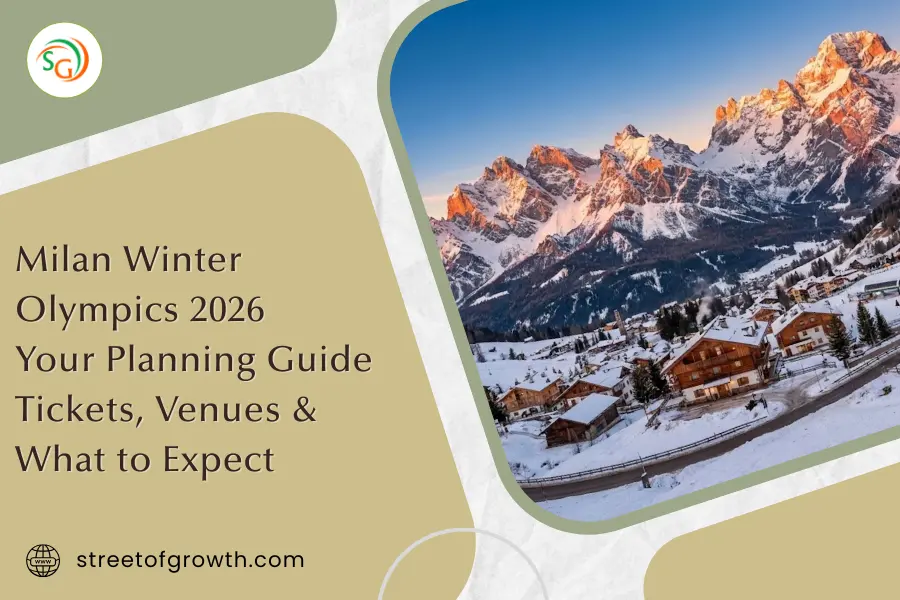
Milan Winter Olympics 2026: Your Planning Guide – Tickets, Venues & What to Expect
Picture this: you’re standing in Milan’s legendary San Siro Stadium on February 6, 2026, watching the Olympic flame light up the night sky. The energy is electric. The crowd is roaring. You’re about to witness history as Italy hosts one of the most spectacular Winter Olympics the world has ever seen.
And the best part? You could be there.
The Milan Winter Olympics 2026 (officially called Milano Cortina 2026) isn’t your typical sporting event. It’s a once-in-a-lifetime chance to watch the world’s best athletes compete against the stunning backdrop of the Italian Alps, eat incredible Italian food, visit historic cities, and be part of Olympic history.
If you’re thinking about going, you’re in the right place. I’m going to walk you through everything you need to know to make this trip absolutely unforgettable.
Quick Facts You Need to Know
Let me start with the basics so you know exactly what we’re talking about:
When: February 6-22, 2026 (17 days of pure Olympic action)
Where: Spread across northern Italy, mainly Milan and Cortina d’Ampezzo
How many athletes: Over 3,500 athletes from 93 countries
How many sports: 16 different Olympic sports
Total medals: 116 gold medals up for grabs
Opening ceremony: San Siro Stadium in Milan (February 6)
Closing ceremony: Ancient Verona Arena (February 22)
Something special: This is the first time in Olympic history that two cities officially co-host the Winter Games!
Why These Olympics Are Different (And Why You Should Go)
What makes Milan 2026 special? This isn’t your typical Winter Olympics stuck in one mountain town. Italy is spreading the games across an incredible 8,500 square miles of some of the most beautiful territory on Earth.
You get the best of both worlds. Milan brings you fashion, incredible food, stunning architecture, and buzzing city energy. Cortina and the Dolomites give you those postcard-perfect snowy mountains, cozy alpine villages, and some of the best skiing terrain on the planet.
Plus, Italy knows how to throw a party. They hosted the Olympics twice before (Cortina in 1956 and Turin in 2006), and they knocked it out of the park both times. Expect incredible opening and closing ceremonies, passionate crowds, and an atmosphere that only Italians can create.
Oh, and did I mention there’s a brand new Olympic sport? Ski mountaineering is making its debut, which is basically people racing up and down mountains on skis. It’s as intense as it sounds.
Where Everything Happens: Your Venue Breakdown
Okay, this is where things get interesting. The 2026 Olympics use 15 different venues spread across several regions. Don’t worry, I’ll break it down so it makes sense.
Milan: The City Cluster
Milan handles all the ice sports (except curling). If you love figure skating, hockey, or speed skating, you’ll spend most of your time here.
San Siro Stadium This legendary soccer stadium (home to AC Milan and Inter Milan) hosts the Opening Ceremony on February 6. It seats 75,725 people, making it one of the biggest Olympic opening ceremonies ever. Fun fact: they’re planning to demolish San Siro after the games, so this is literally your last chance to experience Olympic magic in this historic venue.
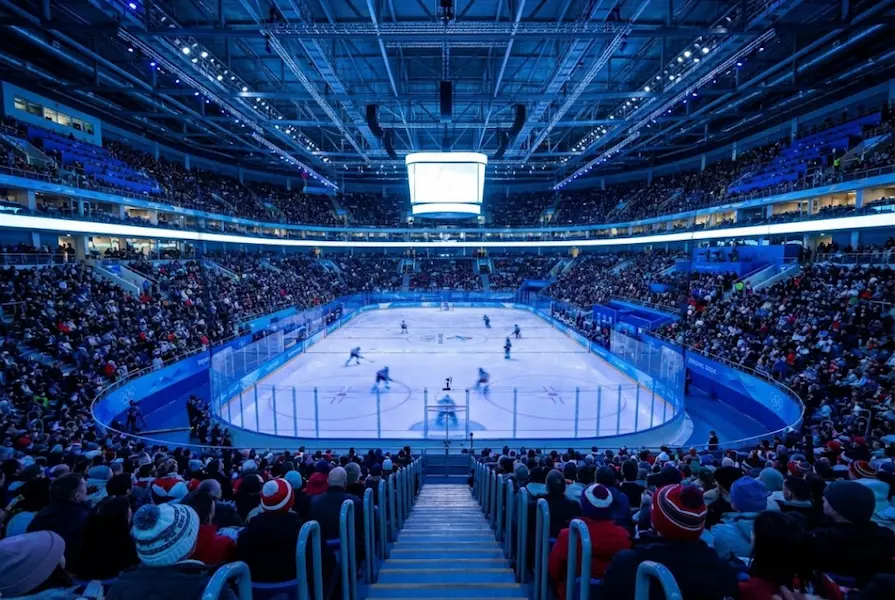
PalaItalia Santa Giulia (The Brand New Arena) This is the crown jewel. A gorgeous 16,000-seat arena designed by famous architect David Chipperfield. It hosts all the medal ice hockey games. After the Olympics, it becomes a permanent venue for Milan’s sports and entertainment scene.
Fiera Milano (The Exhibition Center) They’re transforming this huge exhibition space into two temporary Olympic venues. One handles speed skating, the other hosts preliminary ice hockey games. It’s a massive undertaking, but it means Milan can host the Olympics without building permanent structures that might go unused later.
Milan Ice Skating Arena This venue takes care of figure skating and short track speed skating. If you want to see those triple axels and lightning-fast short track races, this is your spot.
Cortina d’Ampezzo: The Mountain Queen
Cortina is often called the “Queen of the Dolomites,” and once you see it, you’ll understand why. This gorgeous ski resort town hosted the 1956 Winter Olympics, and now it’s back.
Olimpia delle Tofane All the women’s alpine skiing events happen here. These slopes are tough, technical, and absolutely stunning. It’s a regular stop on the World Cup circuit, so you know the skiing is serious business.
Cortina Sliding Centre Bobsled, luge, and skeleton all happen here. They’re rebuilding the track from the 1956 games (which caused some environmental controversy, but that’s another story). Watching athletes fly down an icy track at 80+ mph is absolutely thrilling.
Cortina Curling Olympic Stadium Another venue from 1956 that’s getting new life. Curling might seem calm on TV, but watching it live with a passionate crowd is surprisingly exciting.
Valtellina: The Alpine Sports Hub
This region actually hosts more medal events than anywhere else (34 total). It’s split between two main towns:
Bormio: Stelvio Ski Centre The men’s alpine skiing races happen on the famous Stelvio course. This is one of the most challenging downhill courses in the world. Skiers reach insane speeds here. It’s also where ski mountaineering (the new Olympic sport) makes its debut.
Livigno: The Freestyle Paradise All the snowboarding and most of the freestyle skiing happens here. Think halfpipes, big air jumps, slopestyle courses, and moguls. If you love high-flying tricks and massive air, Livigno is your place. Plus, it’s near the Swiss border and known as “Little Tibet” because of its unique location.
Val di Fiemme: The Nordic Zone
This beautiful valley handles all the Nordic skiing events.
Tesero Cross-Country Stadium Cross-country skiing races happen here. It’s a venue with serious history; they’ve hosted World Championships multiple times.
Predazzo Ski Jumping Stadium Ski jumping and Nordic combined events. Watching people fly off those massive jumps is absolutely wild in person.
Other Locations
Anterselva/Antholz Biathlon Arena: Way up in South Tyrol (near the Austrian border), this venue hosts all the biathlon events. That’s the sport where athletes ski like crazy, then stop to shoot rifles at tiny targets. It’s one of the most demanding Olympic sports.
Verona Arena: The ancient Roman amphitheater hosts the Closing Ceremony. This 2,000-year-old venue that once held gladiator fights will now celebrate Olympic champions. That’s pretty cool.
Getting Your Tickets (Before They’re Gone)
Alright, let’s talk about actually getting into these events. Tickets went on sale in early 2025, and they’re selling through the official Milano Cortina 2026 website only. Don’t buy from anywhere else or you might get scammed.
What you need to know about ticket prices:
Opening Ceremony: Starting at €700 (around $760)
Closing Ceremony: Starting at €950 (around $1,030)
Regular sporting events: Most range from €30 to €100 (roughly $30-$110)
Popular events: Figure skating, ice hockey finals, and alpine skiing cost more, sometimes €150-€300
The organizers are also launching an official resale platform in December 2025. If your first-choice event is sold out, keep checking there for legitimate resale tickets.
My tip: Buy tickets for events in the same venue cluster on the same day. The venues are spread out, so trying to catch a morning event in Cortina and an evening event in Milan isn’t realistic. Trust me on this.
Hospitality Packages
If you want the VIP experience, there are official hospitality packages through On Location. These include:
- Event tickets
- Premium seating
- Private lounges and chef-prepared meals
- Sometimes hotel accommodations
- Access to special Clubhouse 26 locations
Yes, they’re expensive. But if you’re splurging on a once-in-a-lifetime trip, they guarantee you won’t miss anything.
Where to Stay: Your Accommodation Strategy
Here’s the thing about accommodations: book NOW. Not next month. Not “when I feel like it.” Right now.
Hotels near Olympic venues are already filling up fast. Prices are climbing. The longer you wait, the fewer options you’ll have and the more you’ll pay.
If You’re Attending Events in Milan
Stay in Milan. The city has thousands of hotel options at every price point.
Best neighborhoods:
- City Center (Duomo area): Walking distance to major sights, easy public transport to Olympic venues
- Porta Nuova: Modern area with good transit connections
- Near Central Station: Super convenient if you’re taking trains to mountain venues
Budget: €50-100 per night for basic hotels or hostels
Mid-range: €120-200 per night for nice 3-4 star hotels
Luxury: €300+ per night for five-star properties like the Bulgari Hotel or Armani Hotel
My advice: Skip the luxury hotels near San Siro. They’re pricey and not centrally located. Instead, stay downtown where you can visit Milan when you’re not at Olympic events.
If You’re Attending Events in Cortina
Cortina has way fewer hotel rooms than Milan, and they’re filling up even faster. Book months in advance or you’ll end up staying far away.
Options in Cortina:
- Cortina itself: Most convenient but most expensive and most limited
- Nearby villages: Cavalese, Canazei, or smaller towns in the Dolomites offer more availability and lower prices
Alternative strategy: Stay in Milan and take day trips to mountain venues for specific events you really want to see. Yes, it’s a long trip (4-5 hours by car), but it might be easier than finding accommodation in Cortina.
Mixed Strategy (My Recommendation)
What I’d do: Block out your trip in sections.
Days 1-4: Stay in Milan. See opening ceremony, attend Milan-based events (figure skating, hockey, speed skating).
Days 5-7: Move to the mountains. Stay somewhere in the Dolomites or Valtellina region. Watch alpine skiing, biathlon, or freestyle events.
Final day: Either return to Milan or head to Verona for the closing ceremony.
This way, you’re not exhausting yourself with daily long-distance travel, and you actually get to enjoy both the city and mountain Olympic experiences.
Getting Around: Your Transportation Plan
Transportation is crucial because this Olympics is SO spread out. How to navigate it:
Flying In
Main airports:
- Milan Malpensa: The biggest, most international flights
- Milan Linate: Smaller, closer to downtown Milan
- Venice Marco Polo: Good option if you’re focusing on Cortina
My tip: Fly into Malpensa if you’re starting in Milan. If you’re going straight to mountain venues, Venice might be smarter.
Between Cities and Venues
By train: Italy’s train system is excellent. High-speed trains connect Milan to other major cities. Regional trains get you to smaller mountain towns. You can check schedules and book tickets through Trenitalia, Italy’s national railway.
By car: Renting a car gives you the most flexibility, especially for reaching mountain venues. But parking at Olympic venues will be extremely limited. Expect to use park-and-ride facilities with shuttle buses.
Official Olympic shuttles: The organizers are setting up dedicated shuttle services from major train stations to competition venues. These will be your best friend.
Example routes from Milan:
- To Cortina: 4.5-5 hours by car, 6.5-7 hours by train and bus
- To Bormio: 3 hours by car, 5-5.5 hours by train and bus
- To Livigno: 4 hours by car, 6 hours by train and bus
See why I recommend staying in different areas during your trip? Those are long days if you’re doing round trips.
In Milan
The Milan metro, trams, and buses will get you anywhere you need to go. During the Olympics, expect extra services running to Olympic venues. Buy a multi-day transit pass from ATM Milano to save money and skip the ticket lines.
What to Pack: Your Olympic Packing List
February in northern Italy means winter conditions. What you need:
For Milan (City Events)
- Warm jacket (it’ll be cold, but not extreme)
- Layers you can add or remove
- Comfortable walking shoes (you’ll walk a lot)
- Nice outfit for evenings out (Milan is fashion-forward)
- Small backpack for carrying stuff to venues
Expected Milan temperatures: Mid-30s to mid-50s Fahrenheit (around 0-15°C)
For Mountain Events
- Serious winter coat
- Thermal underlayers
- Warm hat and gloves
- Waterproof boots with good traction
- Ski pants or warm snow pants
- Sunglasses (snow glare is real)
- Hand and toe warmers (you’ll thank me)
Expected mountain temperatures: Often below freezing, can drop to 10°F (-12°C) or colder
Don’t Forget
- Portable phone charger
- Reusable water bottle
- Snacks (venue food can be pricey)
- Rain/snow-proof bag for your electronics
- Any medications you need
- Camera with good zoom for action shots
Important: Many venues have strict bag policies. Check the official website before packing your daily bag.
Food and Dining: Eating Your Way Through the Olympics
Let’s be real. One of the best parts of any Italian trip is the food. During the Olympics, you get Olympic excitement PLUS incredible Italian cuisine. Win-win.
In Milan
What to try:
- Risotto alla Milanese: Creamy saffron risotto, a Milan specialty
- Cotoletta alla Milanese: Breaded veal cutlet, similar to schnitzel
- Panettone: Sweet bread, perfect with morning coffee
- Aperitivo: Pre-dinner drinks with free snacks (usually 6-8 PM)
Where to eat:
- Budget: Look for “trattoria” restaurants for authentic, affordable meals
- Mid-range: Neighborhoods like Brera and Navigli have tons of great restaurants
- Splurge: Milan has multiple Michelin-starred restaurants if you want to celebrate
Insider tip: Take advantage of aperitivo culture. For the price of a drink (€8-12), you get access to free buffets at many bars. It’s like happy hour on steroids.
In Mountain Areas
Mountain regions focus on hearty, warming food perfect for cold weather.
What to try:
- Pizzoccheri: Buckwheat pasta with cabbage, potatoes, and cheese (Valtellina specialty)
- Polenta: Creamy or grilled cornmeal, often with meat or cheese
- Bresaola: Air-dried beef, another Valtellina specialty
- Sciatt: Fried cheese fritters (sounds simple, tastes incredible)
- Casoncelli: Stuffed pasta from Lombardy
- Speck: Smoked ham from South Tyrol
My tip: Mountain rifugios (mountain huts) serve incredible food with unbeatable views. Even if you’re not skiing, many are accessible by gondola or car.
At Olympic Venues
Expect typical stadium food, but with an Italian twist. You’ll find pizza, panini, pasta dishes, and coffee (because it’s Italy, the coffee is actually good).
Budget hack: Eat a big breakfast at your hotel, pack snacks, and save your appetite for real restaurants after events.
Beyond the Olympics: Making the Most of Your Trip
You’re traveling all the way to Italy. Don’t just watch sports and leave. Take advantage of where you are.
In Milan
When you’re not at Olympic events, Milan offers incredible experiences:
Can’t-miss attractions:
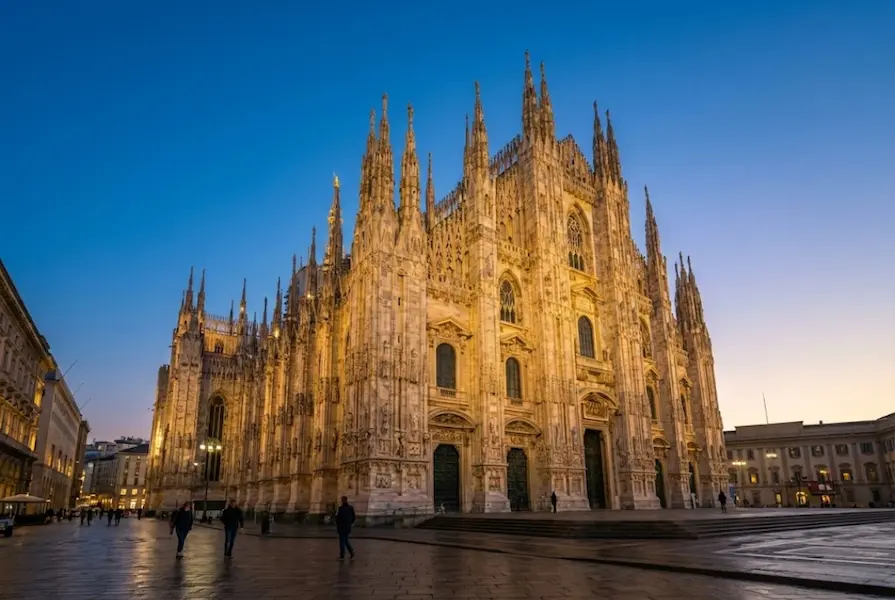
- The Duomo: Milan’s stunning Gothic cathedral (climb to the rooftop)
- The Last Supper: Leonardo da Vinci’s masterpiece (book tickets months in advance as they sell out quickly)
- Galleria Vittorio Emanuele II: Beautiful shopping gallery
- La Scala Opera House: Famous opera theater
- Navigli District: Scenic canals with bars and restaurants
- Brera Art Gallery: Impressive art collection
- Castello Sforzesco: Medieval castle and museums
Shopping: Milan is a fashion capital. Even window shopping on Via Montenapoleone is an experience.
In the Dolomites
The mountain regions are stunning even if you’re not watching Olympics.
Activities:
- Skiing: Rent equipment and hit the slopes yourself
- Snowshoeing: Easier than skiing, equally beautiful views
- Scenic drives: The Dolomite roads are breathtaking
- Hot chocolate stops: Mountain cafes serve incredible hot chocolate
- Photography: The Dolomites are among the most photogenic mountains on Earth
- Spa time: Many mountain hotels have wellness centers and spas
Day Trip to Verona
If you’re attending the closing ceremony anyway, spend the day in Verona:
- Verona Arena: Check out this Roman amphitheater before the ceremony
- Juliet’s House: The famous balcony from Romeo & Juliet lore
- Piazza delle Erbe: Beautiful medieval square
- Local wine: Verona region produces Valpolicella and Amarone wines
Budget Planning: What Will This Actually Cost?
Let’s talk money. I’ll give you realistic estimates for different budget levels.
Budget Trip (Per Person)
- Flights: $600-1,200 (depending on where you’re flying from)
- Accommodations: €50-100/night × 7 nights = €350-700
- Olympic tickets: €200-400 (3-4 events at lower prices)
- Food: €30-50/day × 7 days = €210-350
- Transportation: €150-250 (trains, metro, shuttles)
- Attractions: €100-200
Total estimate: $2,500-4,000
Mid-Range Trip (Per Person)
- Flights: $800-1,500
- Accommodations: €150-250/night × 7 nights = €1,050-1,750
- Olympic tickets: €500-800 (5-6 events including some premium ones)
- Food: €60-100/day × 7 days = €420-700
- Transportation: €200-350
- Attractions: €200-350
Total estimate: $4,500-7,500
Splurge Trip (Per Person)
- Flights: $1,500-3,000 (business class)
- Accommodations: €300-600/night × 7 nights = €2,100-4,200
- Olympic tickets: €1,500-3,000 (hospitality packages, opening/closing ceremonies)
- Food: €150-250/day × 7 days = €1,050-1,750
- Transportation: €400-600 (some private transfers)
- Attractions: €400-600
Total estimate: $9,000-18,000+
Reality check: These are estimates. Your actual costs depend on when you book, where you’re flying from, and your personal choices. But this gives you a realistic starting point.
Money-saving ideas:
- Book flights and hotels as early as possible
- Use public transportation instead of taxis
- Take advantage of aperitivo for free food
- Stay in neighborhoods away from tourist areas
- Buy a multi-event ticket pass if available (sometimes offers discounts)
Tips That’ll Save Your Trip
These insider tips make the difference between a good trip and an unforgettable one:
Book accommodation in clusters: Stay near the events you’re actually attending. Don’t stay in Milan if all your tickets are for Cortina events.
Check weather before packing: Mountain weather can be unpredictable. Check forecasts the week before and adjust your packing.
Download offline maps: Cell service might be spotty in mountain areas. Download offline Google Maps before you go.
Learn basic Italian phrases: Italians appreciate when you try. “Grazie” (thank you), “Per favore” (please), and “Non parlo italiano” (I don’t speak Italian) go a long way.
Bring a power adapter: Italy uses Type C, F, and L plugs (220V). Get a universal adapter.
Book restaurants ahead: Popular restaurants fill up fast, especially during the Olympics. Make reservations.
Time zone awareness: Italy is Central European Time (CET). If you’re coming from far away, factor in jet lag.
Stay flexible: Things might not go exactly as planned. Trains might be delayed. Venues might be crowded. It’s all part of the adventure.
Travel insurance: Get it. Seriously. Medical emergencies, trip cancellations, lost luggage. It’s worth it.
Charge your phone: You’ll use it constantly for tickets, maps, photos, translations, and staying in touch.
Family-Friendly Ideas
Taking kids to the Olympics? Great idea! How to make it work:
Best sports for kids:
- Figure skating (short programs, lots of action)
- Hockey (exciting and easy to follow)
- Snowboarding (big tricks, cool factor)
- Opening/closing ceremonies (pure spectacle)
Avoid:
- Long cross-country skiing races (too slow for kids)
- Early morning events (tired kids aren’t happy kids)
- Multi-day events in different cities (too much travel)
Kid-specific ideas:
- Bring snacks they actually like
- Download movies or games for travel time
- Book hotels with pools or activity areas
- Plan non-Olympic activities too (kids max out on sports)
- Don’t overschedule (2-3 events max per day)
Solo Traveler Ideas
Going alone? That’s awesome. How to make the most of it:
Safety: Italy is generally very safe. Standard precautions apply (watch your belongings in crowds, stick to well-lit areas at night).
Meeting people: Olympic events are incredibly social. You’ll meet fellow fans from around the world. Don’t be shy about striking up conversations.
Join organized tours: Many companies offer Olympic-specific group tours. Great way to see events and make friends.
Stay in social accommodations: Hostels or guesthouses with common areas make it easier to meet other travelers.
Be flexible: Solo means you can change plans on a whim. Event sold out? Go visit a museum instead.
Important Questions Answered
Do I need a visa?
Most visitors (US, Canada, UK, EU) don’t need a visa for stays under 90 days. Check your specific country’s requirements.
Will people speak English?
In Milan and major tourist areas, yes. In smaller mountain villages, less so. Translation apps are helpful.
Can I use credit cards?
Mostly yes, but carry some cash. Small shops and mountain venues might be cash-only.
Is it wheelchair accessible?
Major venues comply with accessibility standards. Older areas (like historic city centers) can be challenging. Check specific venue information on the official website.
What if my event is cancelled?
The official website will have information about refunds or rescheduling. Check your ticket terms and conditions.
Can I see multiple venues in one day?
In Milan, yes. Between different regions, probably not unless you’re only attending one event per region.
What happens if I’m sick?
Italy has excellent healthcare. EU citizens can use the European Health Insurance Card. Everyone else should have travel insurance.
Are there Olympic merchandise shops?
Yes! Official stores will be set up at major venues and in downtown Milan and Cortina.
The Bottom Line
The Milan Winter Olympics 2026 is going to be extraordinary. You’re not just watching sporting events. You’re experiencing elite competition set against some of the most beautiful scenery on Earth, surrounded by Italian culture, food, and passion.
Yes, it takes planning. Yes, it costs money. But this is a once-in-a-lifetime opportunity. These exact Olympics, in this exact place, will never happen again.
The athletes have been training their entire lives for these 17 days. The cities have been preparing for years. The world will be watching.
The only question is: will you be there?
Start planning now. Book your accommodations today. Get those tickets while they’re available. Pack your warmest clothes and your sense of adventure.
February 2026 is coming fast. The Olympic flame is about to light up Italy. And you have the chance to be part of it all.
I’ll see you at the Opening Ceremony.
Ready to book? Visit the official Milano Cortina 2026 website for event information and the official ticketing portal to secure your seats
Now stop reading and start booking. Your Olympic adventure awaits!