12 Best Cities for Remote Workers to Buy a Home in 2026 (With Incentives)
Where to find affordable homes, which cities work best for remote professionals, what relocation incentives are available, and how to get your mortgage approved.
Something interesting happened in 2025. Remote workers stopped chasing trendy cities. They stopped paying sky-high rent in places like San Francisco, Austin, and Miami just to say they lived there. Instead, they started asking a better question:
Where can I actually afford to buy a home and build a real life?
If that sounds like you, this guide is exactly what you need. We are not just listing “cool cities for remote workers.” We are showing you where to buy a home in 2026 that makes financial sense, supports your remote work lifestyle, and might even pay you to move there.
Why 2026 Is Different for Remote Worker Home Buyers
The housing market in 2026 looks different from what we saw during the pandemic buying frenzy. Here is what has changed:
Mortgage rates are easing. After hitting painful highs in recent years, rates have dropped closer to 6%. That might not sound amazing, but it opens doors for thousands of buyers who were locked out before. The National Association of Realtors estimates that over 52,000 more households can now qualify for a median-priced home in cities like Phoenix alone.
Inventory is climbing. Homes are no longer flying off the market in 48 hours everywhere. In many cities, you actually have time to think, compare, and negotiate. This is huge if you are relocating from out of state.
Midwestern and Southern cities are winning. The days of everyone cramming into coastal metros are over. Places like Indianapolis, Columbus, Raleigh, and Salt Lake City are seeing strong buyer interest because they offer something coastal cities cannot: homes under $350,000 with actual yards.
Remote work is here to stay. About 40% of U.S. employees now work remotely at least part of the time. Companies have accepted this. You can live where you want and keep your job. That changes everything about where it makes sense to buy.
What Remote Workers Should Look For When Buying
Before we get to the city list, let’s talk about what actually matters when you are buying a home as a remote worker. Your priorities are different from someone who commutes to an office every day.
Reliable Internet
This is non-negotiable. You need fiber coverage or at least solid broadband. Before falling in love with a house, check internet availability at that exact address using tools like BroadbandNow. Some rural areas look amazing on paper but have terrible connectivity. Cities like Salt Lake City, Boulder, and Atlanta consistently rank highest for fiber coverage and public WiFi availability.
Affordable Home Prices
The average U.S. home price is around $360,000 according to Zillow. But you can do much better. Many excellent remote work cities have median home prices between $200,000 and $350,000. That is a mortgage payment you can handle even if your income dips temporarily. States like Indiana, Ohio, and Texas offer particularly strong value.
No State Income Tax (Bonus)
If you are earning a good remote salary, living in a state with no income tax can save you thousands every year. Texas, Florida, Tennessee, Nevada, and Washington have no state income tax. That extra money can go straight toward your mortgage or savings.
Coworking Spaces Nearby
Working from home every single day can get lonely. Cities with strong coworking communities give you options. Atlanta leads the nation with 119 coworking spaces according to CoworkingCafe. Boulder, Denver, and Miami also have thriving coworking scenes. Having a place to work outside your house, even once a week, helps your mental health and productivity.
Airport Access
Even if you work remotely, you might need to fly for quarterly meetings, conferences, or client visits. Living within 70 miles of a major airport makes life easier. Atlanta, Denver, and Dallas score well here because their airports are major hubs with direct flights almost everywhere.
Quality of Life
You are not just buying a house. You are choosing where to spend your days. Think about what matters to you: walkable neighborhoods, outdoor recreation, good restaurants, arts and culture, family-friendly activities, or nightlife. The best city for you depends on how you want to live, not just work.
The 12 Best Cities for Remote Workers to Buy in 2026
Now for the list you came here for. These cities combine strong remote work setups, affordable home prices, quality of life, and real buying opportunities. We are not just picking trendy names. These are places where your money actually goes far.
1. Indianapolis, Indiana
- Median Home Price: Around $260,000
- Remote Worker Share: Growing steadily with strong coworking presence
- State Income Tax: Flat 3.05% (one of the lowest)
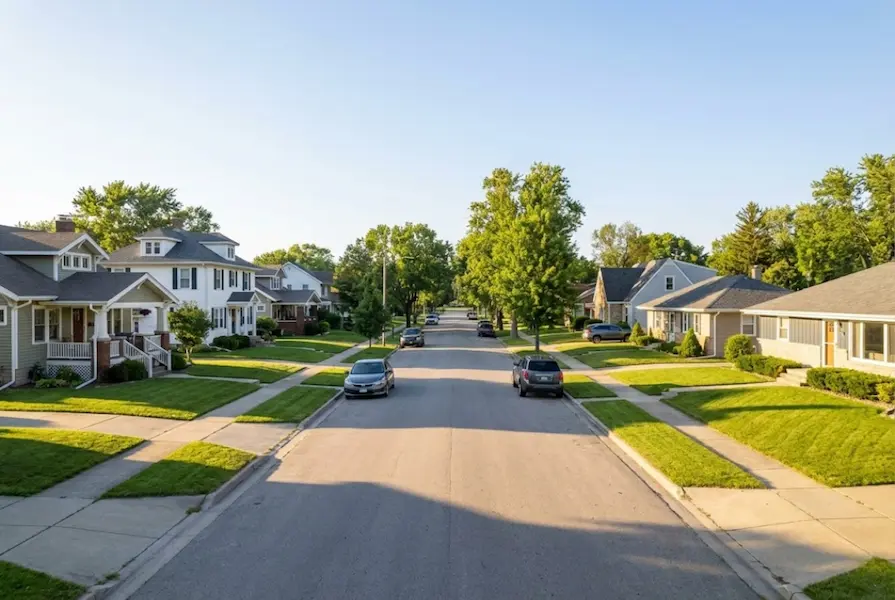
Indianapolis is quietly becoming one of the best places for remote workers who want to own a home without breaking the bank. The cost of living sits well below the national average. You can buy a solid three-bedroom house in a nice neighborhood for what you would pay for a studio apartment in many coastal cities. The city has strong fiber internet coverage, a growing tech scene, and multiple communities offering relocation incentives. The NAR ranked Indianapolis as one of the most balanced and opportunity-rich markets heading into 2026.
2. Columbus, Ohio
- Median Home Price: Around $280,000
- Remote Worker Share: Strong and growing
- Relocation Incentives: Columbus, GA offers $5,000 cash plus perks
Columbus consistently beats expectations as one of the Midwest’s most solid housing markets. Income growth here runs stronger than the U.S. average, and major logistics and tech investments are bringing good jobs. The city combines big-city amenities with below-average home prices. Over 41,000 additional households would qualify for a median-priced home if mortgage rates hit 6%. Millennials make up nearly 38% of the area’s population, so you will find a young, energetic community.
3. Raleigh, North Carolina
- Median Home Price: Around $400,000
- Remote Worker Share: High concentration in tech sector
- Job Growth: Strong in tech and healthcare
Raleigh sits in the heart of North Carolina’s Research Triangle, surrounded by major universities and tech companies. Home prices are higher than Midwest options, but you get exceptional schools, beautiful weather, and a thriving job market if you ever want to go hybrid. Housing turnover is driven by tech and healthcare growth. Nearby Cary ranks fourth nationally for remote work readiness with 31% of its workforce remote and just 2.4% unemployment.
4. Salt Lake City, Utah
- Median Home Price: Around $520,000 (higher but appreciating fast)
- Internet: Top-ranked fiber coverage and public WiFi
- Lifestyle: Unmatched outdoor access
Salt Lake City is the most connected city in America when it comes to fiber coverage and public WiFi. That alone makes it worth considering. But the real draw is lifestyle. The Wasatch Mountains are not just scenery. They are your weekend plans: skiing, hiking, trail running. Home prices have risen, but compared to coastal markets, they remain within reach. For remote workers who want big landscapes and an active lifestyle, Salt Lake delivers.
5. Atlanta, Georgia
- Median Home Price: Around $380,000
- Remote Worker Share: 25.6%
- Coworking Density: Highest in the nation with 119 spaces
Atlanta earned the top spot in multiple 2026 remote work rankings for good reason. It has the highest coworking density in the country, a cost of living below the national average, and average rent around $1,600. The city pairs a median income of about $60,600 with reliable fiber networks and one of the world’s busiest airports. For remote workers who want urban energy without coastal prices, Atlanta delivers big-city life at a reasonable cost.
6. Frisco, Texas
- Median Home Price: Around $550,000
- Remote Worker Share: 33.7% (highest in the nation)
- State Income Tax: None
Frisco has the highest share of remote workers anywhere in the country. More than one in three residents works from home. That creates a community built around flexible work. The median income is about $80,378 with a below-average cost of living despite higher home prices. No state income tax means more of your paycheck stays with you. The city offers strong schools, safe neighborhoods, and excellent amenities.
7. Pittsburgh, Pennsylvania
- Median Home Price: Around $230,000
- Industries: Universities, healthcare, tech, robotics
- Vibe: Underrated, artsy, affordable
Pittsburgh might be the most underrated city in America. Once known for steel, it has quietly become a hub for universities, hospitals, research centers, and artists. Home prices remain remarkably affordable. Major employers like University of Pittsburgh, UPMC, and PNC Financial Services offer remote and hybrid opportunities. The city has excellent coworking spaces, a vibrant arts scene, and professional sports teams. If you want character and value, Pittsburgh delivers.
8. Boise, Idaho
- Median Home Price: Around $450,000
- Inventory: Tight but stable
- Appeal: Outdoor lifestyle, growing tech presence
Boise continues attracting buyers from pricier coastal regions. The city offers mountain access, clean air, and a slower pace of life without sacrificing modern amenities. Tight inventory and rising construction costs keep this a seller’s market, so be ready to move fast when you find the right home. Boise works best for remote workers who prioritize outdoor recreation and do not mind a smaller urban footprint.
9. Des Moines, Iowa
- Median Home Price: Around $303,000
- Market Outlook: Stable inventory, balanced growth
- Best For: First-time buyers
Des Moines maintains some of the lowest median home prices among growing metros. The market shows stable inventory and balanced growth, making it ideal for first-time buyers who want steady appreciation without wild swings. Iowa also offers rural relocation incentives including free land and cash in some communities. The city might not be flashy, but it is sensible, affordable, and family-friendly.
10. Grand Rapids, Michigan
- Median Home Price: Around $310,000
- Market: Steady appreciation, reasonable inventory
- Perks: Great Lakes access, craft beer scene
Grand Rapids offers steady home appreciation and reasonable inventory in a city known for art, craft beer, and Great Lakes access. Families and investors benefit from its balanced housing market. Michigan’s Jackson and Muskegon areas offer additional incentives including up to $25,000 in down payment assistance for new residents. If you want Midwest charm with cultural depth, Grand Rapids deserves serious consideration.
11. Fishers, Indiana
- Median Income: $70,009
- Unemployment Rate: Lowest on most ranked lists (around 1%)
- Coworking Cost: Around $100/month (cheapest in nation)
Fishers ranks first for economic performance among remote work cities. The unemployment rate hovers near 1%, meaning jobs are plentiful if you ever want local work. About 26.7% of its workforce is remote, and average rent of $1,389 keeps housing relatively attainable. Coworking spaces average just $100 per month. This Indianapolis suburb combines small-town safety with big-city opportunity.
12. Richmond, Virginia
- Median Home Price: Around $350,000
- Market: Stable with fewer price cuts than average
- New Construction: Nearly one-third of listings
Richmond is one of the quietest success stories heading into 2026. The city has strong job gains, fewer price cuts than the national average, and a strong millennial presence. Nearly a third of listings are new construction, giving buyers more options. Richmond’s stability becomes opportunity in an uncertain market. Over 25,500 additional households qualify for a median-priced home at current rates.
Relocation Incentives That Help You Buy
Here is something most “best cities” articles miss: dozens of communities will actually pay you to move there. These incentives can put thousands of dollars toward your home purchase.
| Location | Incentive Value | What You Get |
|---|---|---|
| Tulsa, Oklahoma | $10,000+ | Cash, coworking membership, community events |
| Rochester, NY | Up to $19,000 | $10,000 relocation + up to $9,000 for home purchase |
| West Virginia | Up to $20,000 | Cash, free outdoor recreation, coworking access |
| Cumberland, MD | $20,000 | Cash over two payments, requires 5-year commitment |
| Jackson, Michigan | Up to $25,000 | Down payment assistance program |
| Topeka, Kansas | $10,000+ | Cash funds for out-of-state remote workers |
| Newton, Iowa | Up to $10,000 | Cash incentive based on home purchase price |
These programs typically require you to be employed remotely earning at least $50,000 to $75,000 annually. You must commit to living in the area for one to five years. Most accept applications on a rolling basis, but some have limited spots.
Visit MakeMyMove.com to see over 100 current programs with detailed eligibility requirements.
How Remote Workers Can Get Mortgage Approved
Getting a mortgage as a remote worker is not harder than getting one as an office employee. But it does require a bit more paperwork. Here is what you need to know.
Get a Remote Work Letter
If you work remotely for a company, ask HR for a letter confirming your remote work arrangement is permanent or long-term. This letter should state your job title, salary, length of employment, and that you are authorized to work remotely without living near company headquarters. Request this letter as soon as you start house hunting.
Self-Employed? Prepare Extra Documentation
If you are a freelancer, contractor, or business owner, lenders will need more proof of income stability. Prepare two years of personal tax returns, two years of business tax returns if applicable, a year-to-date profit and loss statement, 12-24 months of bank statements, and a CPA letter verifying your business. Lenders typically average your last two years of income when calculating what you can afford. The Consumer Financial Protection Bureau has helpful resources for first-time buyers navigating this process.
Consider Bank Statement Loans
If your tax returns show low income because of business deductions, a bank statement loan might be your best option. These loans use your actual cash flow from 12-24 months of bank statements instead of tax returns. They typically require a larger down payment (15-20%) and may have slightly higher rates, but they can help self-employed borrowers who would otherwise not qualify.
Keep Your Finances Clean
In the months before applying for a mortgage, keep your credit card balances low, avoid opening new credit accounts, maintain steady deposits in your bank accounts, and keep personal and business expenses in separate accounts. Lenders want to see stability and consistency.
Work With a Lender Who Understands Remote Work
Not all loan officers are familiar with remote work documentation. Find a lender or mortgage broker who regularly works with self-employed and remote borrowers. They will know exactly what documentation you need and how to present your income in the best light.
How to Choose the Right City for You
With so many good options, how do you decide? Here is a simple way to think about it:

If budget is your top priority: Look at Indianapolis, Pittsburgh, Columbus, or Des Moines. You can buy a solid home under $300,000 and live well.
If you want no state income tax: Focus on Frisco (Texas), or consider cities in Florida, Tennessee, or Nevada.
If outdoor recreation matters most: Salt Lake City and Boise offer unmatched access to mountains, skiing, hiking, and nature.
If you want big-city energy: Atlanta gives you urban life, culture, and connectivity at a reasonable price.
If you have kids or want strong schools: Fishers, Frisco, and Raleigh consistently rank among the best places for families.
If you want free money to move: Apply to programs in Tulsa, Rochester, West Virginia, or other incentive communities before house hunting.
Frequently Asked Questions
Can I get a mortgage if I work remotely for a company in another state?
Yes. Lenders will ask for a remote work letter from your employer confirming your arrangement. As long as your income is stable and documented, working remotely does not hurt your mortgage application.
Do I have to pay state income tax where my employer is located or where I live?
Generally, you pay state income tax where you live, not where your employer is headquartered. However, some states have reciprocity agreements or complex rules. Consult a tax professional before making major relocation decisions.
How much should I save for a down payment?
Aim for at least 10-20% of the home price. In a $300,000 home, that means $30,000 to $60,000. Some loan programs allow lower down payments, but a larger down payment gives you better rates and lower monthly payments.
Should I visit a city before deciding to buy there?
Ideally, yes. Spend at least a week in any city you are seriously considering. Walk the neighborhoods, test the internet at local coffee shops, check out coworking spaces, and get a feel for the culture. Some relocation programs even offer “try before you buy” visits.
What if my employer calls me back to the office?
This is a real risk. Before buying, have an honest conversation with your employer about long-term remote work expectations. If your remote arrangement is not guaranteed, consider buying in a city where you could find local work if needed, or where you could easily commute to an office occasionally.
Final Thoughts
The best city for a remote worker in 2026 is not necessarily the trendiest or the cheapest. It is the one where your days feel honest and livable. Where your calendar does not constantly contradict your values. Where your money supports a life you actually want instead of a life you feel trapped inside.
The right place is different for everyone. For some, it will be a Midwestern city with a quiet park and a short walk to the library. For others, it will be a mountain town where weekends mean trails and fresh air. For others still, it will be a growing Southern city with energy, culture, and opportunity.
What matters is that you choose on purpose. Remote work gave you freedom. Now use that freedom to build a life that actually makes sense.
Start researching. Visit your top choices. Run the numbers. And when you find the right fit, make your move.
Your future home is waiting.