
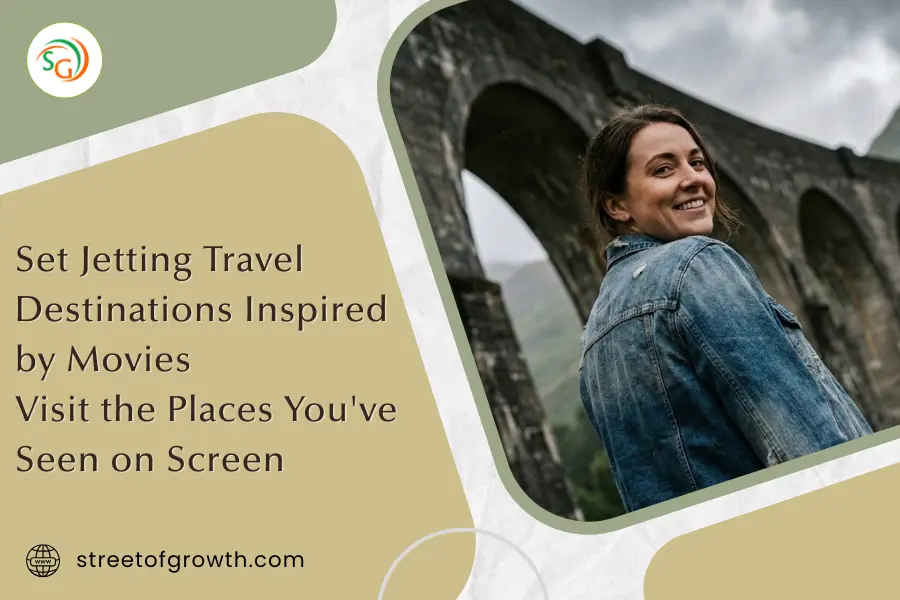
Set Jetting Travel Destinations Inspired by Movies
Have you ever watched a movie and felt that strong pull in your chest? That moment when you see the hero standing on a cliff overlooking the ocean, or walking through cobblestone streets bathed in golden light, and you think, “I need to go there. Right now.”
That’s not just wanderlust. That’s something deeper.
When we watch our favorite films, we’re not seeing pretty backgrounds. We’re connecting with emotions, with stories that moved us, with characters who felt real. And when we visit those places in person, we’re not being tourists. We’re stepping into a memory. We’re touching a piece of magic that once lived only on our screens.
This is set-jetting. And right now, it’s one of the hottest travel trends on the planet.
Currently, millions of people are planning their vacations based on what they’ve seen in movies and TV shows. According to recent travel industry data, 81% of Gen Z and Millennial travelers now pick destinations featured on screen. That’s not a small number. That’s a movement. The set-jetting industry is projected to hit $8 billion in the United States alone.
But you know what? Most articles just list the same old places. New Zealand for Lord of the Rings. Scotland for Harry Potter. You’ve heard it all before.
I’m going to do something different. I’m going to show you how to actually plan one of these trips, how to do it without breaking the bank, which hidden gems nobody talks about, and what it’s really like when you get there.
What Exactly Is Set-Jetting?
Starting simple. Set-jetting means traveling to real places where your favorite movies or TV shows were filmed. The term first popped up in a 2007 New York Post article, and it’s been growing like crazy ever since.
Think about it like this. Remember when The White Lotus aired its Hawaii season? Searches for trips to Maui exploded. When Yellowstone became a hit, Montana’s tourism revenue shot up to over $5 billion. When Emily in Paris dropped on Netflix, flights to Paris went through the roof.
This isn’t new, actually. People have been visiting film locations for decades. After The Sound of Music came out in 1965, Salzburg became a must-visit destination. When James Bond’s Goldfinger showed those Swiss Alps, tourism there boomed. But what’s changed is the scale.
We now have streaming services showing us hundreds of shows and movies. We can pause any scene, screenshot it, and reverse-search where it was filmed. Social media makes it easy to share our own photos from these locations. Travel has become more accessible (though still expensive, we’ll talk about that).
Set-jetting is also called film tourism, movie-induced tourism, or screen tourism. But whatever you call it, the feeling is the same. You want to stand where your favorite character stood. You want to see what they saw. You want to feel what you felt when you first watched that scene.
Why Do We Love This So Much?
There’s real psychology behind this. It’s not silly or superficial. When we watch a movie, our brains create emotional connections to the places we see. Those locations become linked to the feelings we experienced during the story.
So when you visit Hobbiton in New Zealand, you’re not seeing some cute hobbit holes. You’re reconnecting with the wonder you felt watching Frodo begin his adventure. When you stand on the Spanish Steps in Rome where Gregory Peck and Audrey Hepburn sat in Roman Holiday, you’re touching that romance.
Movies show us the world through a special lens. They make ordinary places look extraordinary. They find the perfect lighting, the best angles, the most dramatic moments. And we want to experience that magic ourselves.
Plus, there’s something powerful about being in the exact spot where something you love was created. It’s like visiting a living museum. The place is real, but it holds this layer of fiction that makes it feel dreamlike.
The Best Set-Jetting Destinations (Popular and Hidden Gems)
I’m breaking this down into categories. Mixing the famous spots with some hidden gems that deserve way more attention.
Fantasy and Adventure
New Zealand: Middle-earth
Everyone knows about this one, but there’s a reason it tops every list. Peter Jackson’s Lord of the Rings and Hobbit trilogies put New Zealand’s landscapes on the world stage. The Hobbiton Movie Set near Matamata is a fully built, permanent attraction. You can drink at the Green Dragon Inn, walk through Bag End, and actually feel like you’re in the Shire.
But what most people don’t know: dozens of other locations across both islands were used. The Tongariro Alpine Crossing gives you those Mount Doom vibes. Fiordland’s Milford Sound was Fangorn Forest. The Remarkables mountain range near Queenstown? That’s where the Fellowship traveled.
Budget tip: Skip the organized tours for some locations and just drive yourself. You’ll save hundreds of dollars.
Scotland: Hogwarts and Beyond
Harry Potter fans have been flooding Scotland for years. The Glenfinnan Viaduct (where the Hogwarts Express crosses) is stunning. You can time your visit to see an actual steam train crossing it. The Elephant House cafe in Edinburgh claims to be where J.K. Rowling wrote parts of the books. Alnwick Castle in Northumberland served as Hogwarts in the early films.
Hidden gem: Glencoe, which served as filming locations for multiple Harry Potter scenes and also Skyfall, is absolutely breathtaking and way less crowded than you’d expect. The dramatic mountains and valleys will take your breath away.
Iceland: Every Sci-Fi and Fantasy Show Ever
Iceland has become Hollywood’s go-to for otherworldly landscapes. Game of Thrones filmed beyond-the-Wall scenes there. Batman Begins used Vatnajökull glacier. Interstellar and Rogue One both filmed in Iceland. The land of fire and ice looks like nowhere else on Earth.
Real talk: Iceland is expensive. But if you go in shoulder season (May or September), prices drop significantly and you still get decent weather.
Romance and Drama
Italy: Love, Art, and History
Italy might be the most filmed country in Europe. The Godfather’s Sicily scenes were shot in Savoca and Forza d’Agro. Roman Holiday made the Spanish Steps and Trevi Fountain iconic. Under the Tuscan Sun showed off, well, Tuscan sun. The Talented Mr. Ripley filmed all over the Amalfi Coast.
Recent addition: The White Lotus Season 2 put Sicily’s Taormina back in the spotlight. The San Domenico Palace hotel where they filmed is gorgeous (and expensive), but the surrounding town is affordable to visit.
Paris: City of Light, City of Film
Emily in Paris pushed Paris tourism up by double digits. Midnight in Paris already had people falling in love with the city’s charm. Before Sunrise and Before Sunset showed the romantic, walking-through-streets-at-night Paris that feels so intimate.
Budget tip: Paris can be done affordably if you eat where locals eat, skip the touristy restaurants, and use the Metro instead of taxis. Stay in the 11th or 18th arrondissement instead of the 7th.
Greece: Sunshine and Dreams
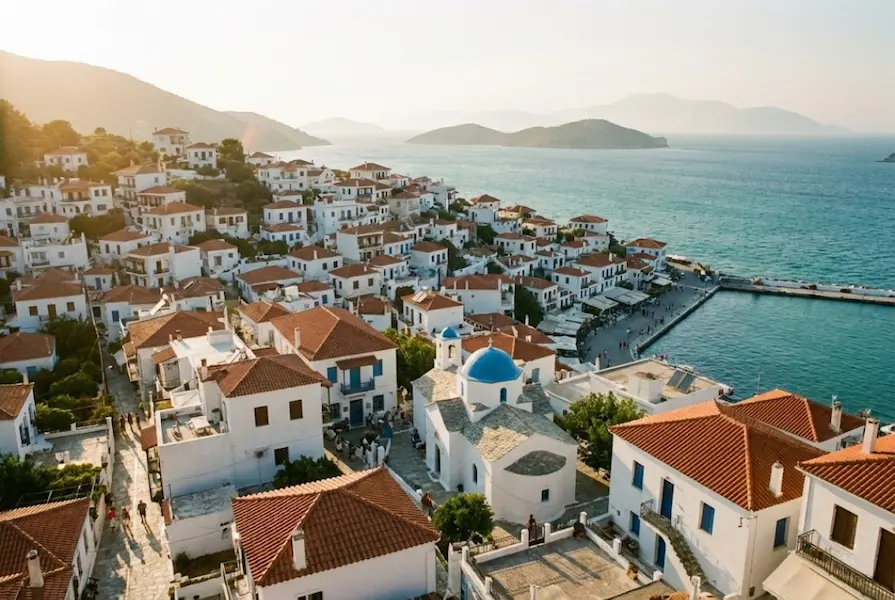
Mamma Mia! turned the Greek islands of Skopelos and Skiathos into bucket-list destinations. The whitewashed buildings, blue-domed churches, and crystal-clear water look even better in person. The beaches, the food, the sunsets… it’s all real.
Hidden gem: While everyone goes to Santorini (which wasn’t in Mamma Mia, by the way), consider Skopelos. It’s more authentic, less crowded, and actually where they filmed the movie.
American Classics
New York City: The Ultimate Movie Backdrop
Name a genre, and New York has a movie for it. Home Alone 2, Ghostbusters, When Harry Met Sally, Breakfast at Tiffany’s, The Devil Wears Prada, Spider-Man. The list never ends.
The great thing about NYC is that you can do a DIY set-jetting tour easily. Central Park, the Met steps, Grand Central Terminal, the Brooklyn Bridge… they’re all accessible. Many are free.
Montana: Yellowstone Country
The TV show Yellowstone turned Montana into a massive tourism destination. The dramatic ranch landscapes, mountain backdrops, and wide-open spaces struck a chord with viewers. Montana’s tourism revenue hit record numbers thanks to the show.
You can visit the actual ranch location (though it’s private property, so you can only see it from outside), check out the surrounding areas, and experience that authentic cowboy culture.
Los Angeles: Behind the Scenes
LA is different because it’s not about visiting locations. It’s about understanding how movies get made. The Warner Bros Studio Tour shows you actual sets. Griffith Observatory appeared in Rebel Without a Cause, La La Land, and countless others. The Hollywood Sign hike gives you those panoramic views you’ve seen a thousand times.
Hidden Gems Nobody Talks About
Jordan: Desert Dreams
Wadi Rum desert in Jordan looks like Mars. That’s why Lawrence of Arabia, The Martian, Dune, and Star Wars films used it. The red sand dunes and towering rock formations create this surreal landscape that doesn’t look real.
Cost: Jordan is surprisingly affordable compared to European destinations. You can camp in the desert under the stars for reasonable prices.
Croatia: King’s Landing
Game of Thrones put Dubrovnik on the map as King’s Landing. The old city walls, the stairs, the fortresses… fans recognize it all instantly. But even if you’ve never seen Game of Thrones, Dubrovnik is stunning.
Warning: Summer is absolutely packed with tourists. Go in May or October for better weather and fewer crowds.
Thailand: Tropical Paradise
The Beach (filmed at Maya Bay) was closed for years due to over-tourism but has reopened with restrictions. Thailand has been featured in The Hangover Part II, James Bond films, and most recently, The White Lotus Season 3 is bringing massive attention to Ko Samui.
Budget-friendly: Thailand is one of the most affordable destinations on this list. Your money goes far there.
Tunisia: Tatooine Exists
Star Wars fans, listen up. The original Tatooine desert scenes were filmed in Tunisia’s Sahara Desert. You can still visit Lars Homestead, Mos Espa, and other locations. Some are preserved, some are weathered, but they’re all there.
Planning Your Set-Jetting Trip: The Real Numbers
Talking money now. Most articles skip this part, but I’m not going to do that to you.
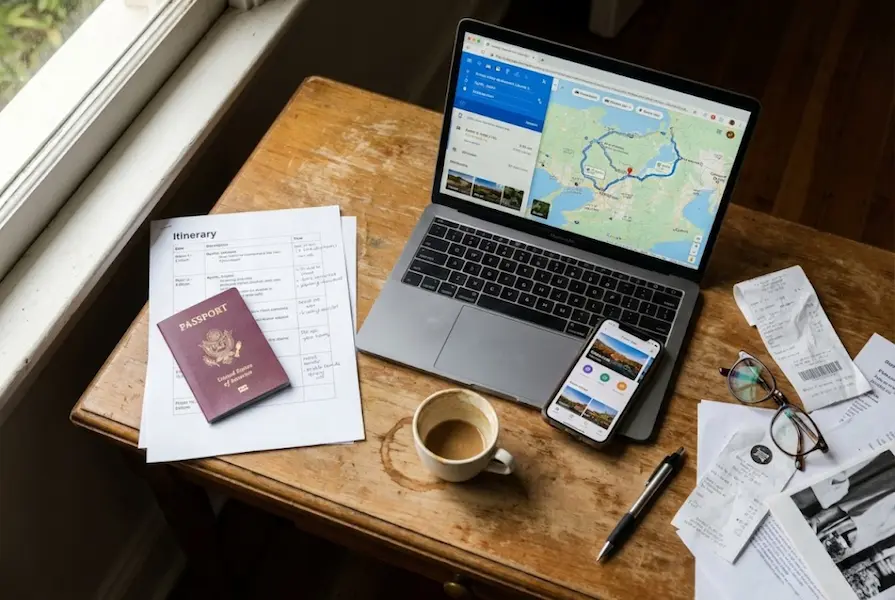
A set-jetting trip costs the same as any trip to that destination, plus whatever extra you spend on tours, entrance fees, or specific location visits. Right now I’m giving you a realistic breakdown for a week-long trip:
Budget Breakdown (Per Person)
| Expense | Budget Range | Mid-Range | Splurge |
|---|---|---|---|
| Flights | $400-800 | $800-1,500 | $1,500+ |
| Accommodation (7 nights) | $350-700 | $700-1,400 | $1,400+ |
| Food & Drinks | $200-400 | $400-600 | $600+ |
| Transportation | $100-200 | $200-400 | $400+ |
| Tours & Entrance Fees | $100-300 | $300-600 | $600+ |
| Total | $1,150-2,400 | $2,400-4,500 | $4,500+ |
How to Save Money
Book flights strategically. Tuesdays and Wednesdays are typically cheaper. Use Google Flights to set price alerts. Consider flying into nearby airports and taking a train or bus.
Stay in apartments or hostels. Airbnb can save you a ton, especially if you’re traveling with others and can split costs. Private rooms in hostels are cheaper than hotels and often just as nice.
Eat like locals. Tourist restaurants charge 2-3 times more than places where locals eat. Ask locals where they eat, or look for restaurants away from major attractions.
Skip organized tours when possible. Many filming locations are in public spaces. You don’t need a $150 tour to see Central Park or walk the streets of Paris. Do your research and create your own walking tour.
Go in shoulder season. Traveling in May, September, or October (depending on the destination) means lower prices and fewer crowds. It’s a double win.
Use public transportation. Taxis and Ubers add up fast. Most cities have great public transportation that costs a fraction of private transport.
Step-by-Step: How to Plan Your Perfect Set-Jetting Trip
Exactly how to do this from start to finish.
Step 1: Pick Your Destination
Choose based on what movie or show means the most to you. Don’t pick a place because it’s popular. Pick the one that speaks to you emotionally. That emotional connection will make the trip so much more meaningful.
Step 2: Research Exact Locations
Don’t know just the city. Find the specific streets, buildings, and viewpoints. Ways to do this:
- Check filming locations on IMDB for any movie or show
- Movie-Locations.com has detailed guides
- SetJetters app shows exact GPS coordinates
- YouTube walking tours show you what to expect
- Google Maps Street View lets you preview locations
Step 3: Check Accessibility
Some locations are on private property. Some require permits. Some are seasonal. Make sure you can actually access what you want to see before you book anything.
Step 4: Create Your Itinerary
Don’t overschedule. A realistic daily plan looks like this:
- Morning: One major location
- Afternoon: One or two smaller spots or general sightseeing
- Evening: Dinner and relaxation
Build in rest days if you’re staying more than 5 days. Travel exhaustion is real.
Step 5: Book Everything
Book in this order:
- Flights (most expensive, price changes)
- Accommodation (second most expensive)
- Major tours or tickets (some sell out)
- Other stuff as you go
Step 6: Download Offline Maps
Google Maps lets you download offline maps. Do this before you leave. You’ll save data and won’t get lost if you lose signal.
Step 7: Pack Smart
Bring comfortable walking shoes. You’ll be on your feet a lot. Bring a portable charger. Your phone will die from taking so many photos. Bring a rain jacket. Weather changes.
When Should You Go? Timing Your Visit
Timing can make or break your trip. What to consider:
Avoid Peak Tourist Season
Peak season means:
- Higher prices (sometimes double or triple)
- Crowded locations (hard to get good photos)
- Booked-up hotels and restaurants
- Less authentic experience
For Europe, peak is June-August. For New Zealand, it’s December-February (their summer). For Thailand, it’s November-March.
Aim for Shoulder Season
Shoulder season is the sweet spot:
- Prices drop 30-50%
- Way fewer tourists
- Still decent weather
- Locals are friendlier (they’re less burned out)
For Europe, try May or September. For New Zealand, March-April or October-November. For Southeast Asia, April-May or September-October.
Consider Weather Carefully
Some locations look completely different in different seasons. The Scottish Highlands are green and lush in summer but dramatic and moody in winter. Both are beautiful, but they’re different experiences.
Check average temperatures and rainfall for your planned travel dates. A rainy week can really dampen (literally) your experience.
Check for Local Events
Sometimes local festivals make a trip extra special. Sometimes they make it impossible to find accommodation. Research what’s happening during your visit.
Photography Tips: Recreating Those Iconic Shots
You’ll want photos. How to get them right.
Scout the Location
Visit at different times of day if possible. Lighting changes everything. The same spot can look magical at sunrise and flat at noon.
Use the SetJetters App
This app has a “ShotSync” feature that overlays movie scenes onto your camera view. You can see exactly where to stand and how to frame your shot to match the film. Download it from your device’s app store before your trip.
Golden Hour Is Everything
Photographers call the hour after sunrise and hour before sunset “golden hour” for a reason. The light is warm, soft, and forgiving. Most iconic movie scenes are filmed during these times.
Don’t Block Other People
Be respectful. Get your shot, but don’t monopolize the spot. Other people want photos too. And locals still use these spaces for their daily lives.
Take Video Too
Sometimes a video captures the feeling better than a photo. Take short clips. You can always grab stills from the video later.
Respect Private Property
If something’s on private property, don’t trespass. It’s not worth legal trouble, and it gives set-jetters a bad name.
Being a Responsible Set-Jetter
This matters. When thousands of people visit small locations, it impacts the local community.
Environmental Impact
Remember Maya Beach from The Beach? It had to be closed because too many tourists damaged the ecosystem. Don’t touch coral. Stay on designated paths. Pack out what you pack in.
Respect Local Culture
You’re a guest. Learn a few basic phrases in the local language. Dress appropriately for religious sites. Don’t be loud in residential areas.
Support Local Businesses
Eat at local restaurants. Buy from local shops. Hire local guides. Your money should benefit the community, not international chains.
Visit Lesser-Known Locations Too
Don’t only hit the famous spots. Check out the surrounding area. Spread out the tourism impact.
What It’s Really Like (Expectations vs. Reality)
Being honest with you about a few things.
It Won’t Look Exactly Like the Movie
Movies use color grading, perfect lighting, and careful angles. Reality is… different. Still beautiful, but different. Go in knowing this and you won’t be disappointed.
Some Locations Are Underwhelming
That iconic scene might have been filmed in a random alley that looks pretty ordinary in person. That’s okay. It’s still cool to see where it happened.
Tourist Crowds Are Real
Popular locations get packed. The Cliffs of Moher from Harry Potter and the Half-Blood Prince? Hundreds of people. The Trevi Fountain? Absolutely mobbed. Plan accordingly and be patient.
You Might Feel Silly
Taking photos pretending to be Frodo or recreating that scene from La La Land can feel awkward at first. Do it anyway. Everyone else is doing it too. Embrace the silliness.
The Trip Matters As Much As the Destination
Don’t focus only on checking off filming locations. Enjoy the actual place. Try the food. Talk to people. Experience the culture. The filming locations are the hook, but the real travel experience is the treasure.
Frequently Asked Questions
How do I find exact filming locations?
Use Movie-Locations.com, IMDB’s filming locations section, the SetJetters app, or simple Google searches with the movie name plus “filming locations.” Fan forums and Reddit threads often have detailed information too.
Are filming locations usually accessible to the public?
Most are, but not all. Outdoor locations in public spaces are almost always accessible. Private buildings, hotels, or homes might not be. Always research before you go.
Do I need to book tours or can I visit on my own?
It depends. Some locations like Hobbiton require booked tours. Most urban locations can be visited independently. Tours are nice for context and behind-the-scenes stories, but they’re not always necessary.
What if the location doesn’t look like it did in the movie?
Temporary sets get removed after filming. Some locations change over time. Movies also use CGI to alter or change places. Manage your expectations, but know that seeing the real place is still special.
Is it worth visiting filming locations if I haven’t seen the movie?
Honestly, the emotional connection is what makes set-jetting special. If you haven’t seen the movie, you might enjoy the location as a regular tourist attraction, but you’ll miss that deeper connection.
How long should I plan for each location?
Give yourself more time than you think you need. Some places deserve hours, some are quick photo stops. A general rule: major locations get 2-3 hours, minor ones get 30 minutes to an hour.
Can I do set-jetting on a budget?
Absolutely. Focus on destinations that are naturally affordable, go in shoulder season, stay in budget accommodation, and skip paid tours when possible. Some of the best locations are free to visit.
What should I pack for a set-jetting trip?
Comfortable walking shoes are non-negotiable. Bring a portable charger, a reusable water bottle, a small day pack, weather-appropriate clothing, and your camera or smartphone with lots of storage space.
Start Planning Your Movie-Inspired Adventure
Set-jetting isn’t a trend. It’s a way to travel that adds an extra layer of meaning to your trip. You’re not seeing beautiful places. You’re connecting with stories that moved you, experiencing locations that sparked your imagination, and creating your own memories in spaces that once existed only on screen.
The best set-jetting trip is the one that speaks to you. It doesn’t matter if everyone else is going to New Zealand. If your heart belongs to the streets of Paris from Midnight in Paris, or the beaches of Thailand from The Beach, or the deserts of Jordan from Dune, that’s where you should go.
Do your research. Plan carefully. Set a realistic budget. But most importantly, let yourself be present in these places. Feel the connection. Take the photos. Embrace the magic.
Because at the end of the day, set-jetting isn’t about ticking boxes or collecting Instagram shots. It’s about stepping into a world that once lived only in your imagination and finding out it’s been waiting for you all along.
So pick your movie. Find your destination. Book that flight.
Your adventure is waiting.