Sustainable Pet Products: Your Eco-Friendly Pet Care Resource
You love your pet. You also love the planet. But here’s something that might surprise you: our furry friends have a bigger environmental pawprint than you think.
Gregory Okin, a geography professor at UCLA, published an analysis in PLOS ONE in August 2017 estimating that American dogs and cats account for about 25% of the calories derived from animal products in the United States, and roughly a quarter to a third of the environmental impact of the country’s meat consumption. That’s like having an extra 62 million people living in the country! And it’s beyond food. The toys, beds, bowls, and waste bags we buy for our pets create tons of plastic waste every single year.
But don’t worry. You don’t have to choose between loving your pet and protecting the environment. Sustainable pet products are here to save the day, and I’m going to show you exactly how to make the switch (even if you’re on a tight budget).
Why Should You Care About Sustainable Pet Products?
Every year, Americans spend over $120 billion on their pets. A huge chunk of that money goes toward products made from plastic, synthetic materials, and chemicals that harm our planet. Most conventional pet toys end up in landfills within months. Plastic pet bowls never decompose. And those cute little poop bags? Many of them aren’t biodegradable, despite what the package says.
The pet product industry has been copying the same playbook as fast fashion. Make it cheap, make it cute, and make it disposable. But just like we’re learning with our clothes, this approach is destroying our environment.
When you switch to sustainable pet products, you’re doing three things:
- Reducing plastic waste that would otherwise sit in landfills for hundreds of years
- Protecting your pet’s health by avoiding toxic chemicals found in many conventional products
- Supporting companies that actually care about the planet
Think about it this way: your dog or cat will be with you for 10 to 15 years (hopefully longer!). Every single product you buy for them during that time either helps or hurts the environment. Those choices add up fast.
What Actually Makes a Pet Product “Sustainable”?
Before we get into specific products, we need to talk about what “sustainable” really means. Because honestly, this word gets thrown around A LOT, and not every company using it is being truthful.
A truly sustainable pet product checks these boxes:
Made from natural or recycled materials like bamboo, hemp, organic cotton, recycled plastic, natural rubber, or sustainably harvested wood. Avoid anything with mystery plastics or synthetic materials you can’t pronounce.
Produced ethically in factories that treat workers fairly and don’t dump chemicals into rivers. Look for certifications like Fair Trade, B Corp, or USDA Organic.
Biodegradable or recyclable at the end of its life. If your dog destroys a toy (and let’s be honest, they will), that toy shouldn’t sit in a landfill forever.
Long-lasting and durable because the most sustainable product is the one you don’t have to replace every few months. Quality beats quantity every single time.
Free from toxic chemicals like BPA, phthalates, lead, and artificial dyes. Your pet chews on their toys, so you definitely don’t want them ingesting nasty chemicals.
Minimal packaging that’s either recyclable or compostable. If a company ships you an eco-friendly dog toy wrapped in three layers of plastic, something’s not adding up.
Now that you know what to look for, I’ll show you the actual products you need.
The Best Sustainable Pet Products for Every Category
Toys That Won’t Destroy the Planet

Your pet needs toys. Toys keep them entertained, mentally stimulated, and physically active. But most pet toys are made from plastic or synthetic materials that fall apart quickly and end up in the trash.
Buy these instead:
Natural rubber toys are basically indestructible. Companies like West Paw make toys from Zogoflex, a proprietary material that’s 100% recyclable. If your dog somehow manages to destroy one (unlikely), you can send it back and they’ll recycle it into a new toy. That’s what I call a circular economy!
Hemp rope toys are perfect for tug-of-war and chewing. Hemp grows super fast without pesticides, makes incredibly strong fibers, and is completely biodegradable. Brands like Honest Pet Products make gorgeous rope toys that last for years.
Wool cat toys are handmade from natural wool and filled with organic catnip. They’re soft, safe, and when your cat finally shreds them (because cats), you can compost the remains. No guilt, no waste.
Recycled materials can also make excellent toys. Some companies create dog toys from old climbing ropes, recycled fire hoses, or reclaimed materials. These toys are tough as nails and give new life to materials that would otherwise be trash.
DIY toys are the most sustainable option of all. An old sock tied in a knot makes a great dog toy. Cardboard boxes are basically cat heaven. Sometimes the best toy is already sitting in your house.
Food and Water Bowls That Last Forever
Plastic bowls are cheap and colorful, but they scratch easily. Those scratches harbor bacteria, which means you need to replace them regularly. Plus, plastic can leach chemicals into your pet’s food and water.
Switch to these instead:
Stainless steel bowls are the gold standard. They last forever, never rust, are easy to clean, and can be recycled at the end of their very long life. Bonus: they’re usually cheaper than those fancy ceramic bowls.
Bamboo bowls are lightweight, naturally antibacterial, and biodegradable. They work great for both food and water. Just make sure you’re buying from a company that uses food-grade bamboo and natural finishes.
Ceramic bowls are also a solid choice if you avoid lead-glazed options. They’re heavy (so they won’t slide around), dishwasher-safe, and super durable.
Take a look at this comparison:
| Material | Durability | Eco-Friendliness | Cost | Best For |
|---|---|---|---|---|
| Stainless Steel | Excellent (lasts forever) | Recyclable | $10-$25 | All pets, especially messy eaters |
| Bamboo | Good (3-5 years) | Biodegradable | $15-$30 | Cats and small dogs |
| Ceramic | Very Good (5-10 years) | Recyclable | $12-$35 | Larger dogs who need weight |
| Plastic (avoid) | Poor (1-2 years) | Not eco-friendly | $5-$15 | None |
Beds That Are Cozy AND Green
Your pet spends a huge chunk of their day sleeping, so their bed matters. Conventional pet beds are usually stuffed with polyester made from petroleum products. Yuck.
Look for beds made with:
Recycled plastic bottle fill turns waste into something useful. Companies like West Paw’s IntelliLoft line have diverted millions of plastic bottles from landfills by turning them into soft, washable stuffing.
Organic cotton covers are breathable, durable, and grown without harmful pesticides. Your pet’s skin (and the environment) will thank you.
Natural latex or wool filling provides support without synthetic foams. These materials are naturally antimicrobial and regulate temperature better than polyester.
Hemp fabric is incredibly durable and gets softer with every wash. It’s perfect for the outer cover of pet beds.
Collars, Leashes, and Harnesses You Can Feel Good About
These items get used every single day, so durability is key. Cheap collars and leashes break easily and end up in the trash within months.
Sustainable options include:
Hemp collars and leashes are ridiculously strong and get softer over time. Plus, hemp production uses way less water than cotton and doesn’t need pesticides.
Recycled plastic webbing takes plastic bottles and turns them into durable, weather-resistant gear. Brands like Lupine make excellent products from recycled materials and offer lifetime guarantees.
Vegan leather alternatives made from cork, pineapple leaves, or apple peels give you that leather look without the environmental cost of real leather or the toxicity of PVC.
Climbing rope leashes repurpose old climbing equipment into super strong, colorful leashes. They’re built to handle rock climbers, so they can definitely handle your dog.
Cat Litter That Doesn’t Fill Landfills
Traditional clay-based cat litter is an environmental nightmare. It’s strip-mined (destroying habitats), doesn’t biodegrade, creates dust that’s bad for your cat’s lungs, and ends up sitting in landfills forever.
Better alternatives:
Wood pellet litter (made from pine, cedar, or reclaimed sawdust) is absorbent, controls odors naturally, and can be composted after use. It’s also typically cheaper than clay litter.
Wheat-based litter clumps naturally, is flushable (check local regulations), and breaks down completely. Brands like sWheat Scoop have been around for years and work really well.
Corn litter is another biodegradable option that clumps nicely and controls odors. Some cats prefer the texture over other natural litters.
Paper litter is made from recycled newspaper and is super lightweight. It’s perfect for cats with allergies or respiratory issues.
Walnut shell litter has excellent odor control and is completely compostable. Plus, it uses a byproduct from the walnut industry.
Waste Bags That Actually Break Down
A dirty secret: most “biodegradable” poop bags aren’t biodegradable in any meaningful way. They’re regular plastic with an additive that makes them break into smaller pieces of plastic (microplastics). That’s not better!
True compostable poop bags are made from:
Plant-based materials like cornstarch or vegetable oils. These bags meet ASTM D6400 standards for compostability, which means they’ll actually break down in industrial composting facilities.
Paper bags are making a comeback and work surprisingly well for quick bathroom breaks in your yard.
Newspaper is the ultimate free option if you have a yard with a pet waste digester system.
Look for certifications like “BPI Certified” or “ASTM D6400 compliant” to ensure you’re getting the real deal.
Grooming Products That Are Safe and Natural
Conventional pet shampoos are packed with synthetic fragrances, sulfates, and preservatives that can irritate your pet’s skin and pollute waterways when they wash down the drain.
Choose instead:
Solid shampoo bars eliminate plastic bottles entirely and last much longer than liquid shampoo. Plus, they’re easier to travel with.
Plant-based formulas use ingredients like oatmeal, aloe vera, coconut oil, and essential oils to clean without harsh chemicals.
Bamboo brushes replace plastic grooming tools with biodegradable alternatives that work just as well.
Natural dental care products use enzymes and plant-based ingredients instead of artificial flavors and chemicals.
Pet Food: The Elephant in the Room
I saved this for last because pet food is complicated. Your pet’s nutrition comes first, always. But there are more sustainable options that still meet your pet’s dietary needs.
Consider:
Insect-based protein is making waves. Companies are now making dog food from insects like crickets and mealworms. Research shows that insect proteins provide complete amino acid profiles similar to traditional meat proteins and are highly nutritious. They require way less land and water than traditional livestock and create fewer greenhouse gases. It sounds weird, but dogs don’t care, and it’s actually really smart.
Plant-forward diets for dogs (not cats, they’re obligate carnivores) can reduce your pet’s carbon footprint significantly. Work with a vet to ensure nutritional completeness.
Locally sourced ingredients reduce transportation emissions. Look for regional brands that use ingredients from nearby farms.
Sustainable packaging like paper bags instead of plastic, or brands that offer bulk buying options to reduce packaging waste.
Human-grade standards often mean less waste in the production process and higher quality control.
But Wait, Isn’t This Going to Cost Me a Fortune?
I get it. You’re probably thinking, “This all sounds great, but I can’t afford to replace everything at once with premium eco-products.”
Good news: you don’t have to!
The honest truth about sustainable pet product costs:
Some sustainable products cost MORE upfront but LESS over time. A $30 stainless steel bowl will last your pet’s entire life. A $8 plastic bowl needs replacing every year. Do the math, and steel is actually cheaper.
Some sustainable products cost ABOUT THE SAME as conventional ones. Hemp leashes, recycled plastic toys, and plant-based poop bags often cost the same or just slightly more than regular versions.
Some sustainable products cost LESS than conventional ones. DIY toys, natural alternatives, and buying in bulk all save you money.
Smart Money-Saving Strategies
Start with what you’re replacing anyway. Don’t throw out perfectly good products just to buy sustainable versions. But when your dog’s current bed wears out, replace it with an eco-friendly option.
Focus on high-impact items first. Prioritize things you buy frequently (like poop bags and cat litter) or items that last a long time (like food bowls and beds).
Make DIY alternatives. Old t-shirts become great rope toys. Cardboard boxes entertain cats for hours. Empty plastic bottles (cap removed!) make great crinkle toys for dogs.
Buy quality over quantity. One durable toy that lasts two years is better than ten cheap toys that break in two months.
Look for sales and bulk deals. Many sustainable pet brands offer subscriptions or bulk buying options that reduce per-unit costs.
Support secondhand. Check Craigslist, Facebook Marketplace, or thrift stores for gently used metal bowls, beds, and carriers.
How to Actually Make the Transition
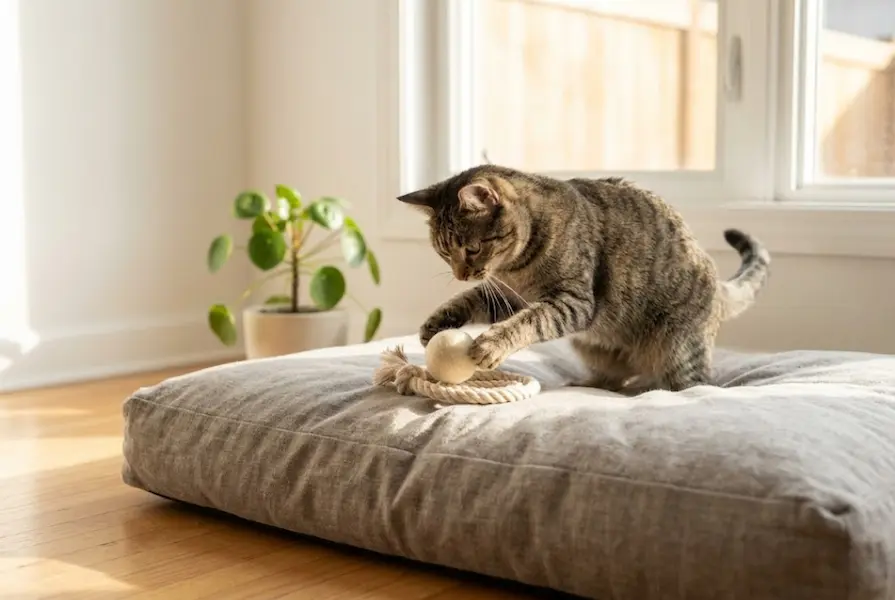
Going sustainable with your pet products doesn’t have to happen overnight. Here’s a plan you can follow:
Month 1: Switch your poop bags and cat litter to sustainable options. These are consumables you’re buying anyway, so the transition is painless.
Month 2: Replace worn-out toys with sustainable versions. Don’t buy new toys if the old ones are still in good shape. But when Fido finally destroys that squeaky toy, choose a natural rubber replacement.
Month 3: Upgrade food and water bowls if you’re currently using plastic. This is a one-time purchase that makes a big difference.
Month 4: Look at grooming products. Finish what you have, then switch to bar shampoos and natural formulas.
Month 5-6: Consider bedding, collars, and leashes as they need replacement.
Ongoing: Gradually shift toward more sustainable pet food options if they work for your pet’s health needs.
The key is to be patient with yourself. Every sustainable choice you make is progress. You don’t have to be perfect.
How to Spot Greenwashing and Fake Eco-Products
Unfortunately, not every company selling “eco-friendly” pet products is being honest. Here’s how to spot the fakers:
Red flag #1: Vague claims like “eco-conscious” or “earth-friendly” without any specifics about what that actually means.
Red flag #2: No certifications or third-party verification. Look for USDA Organic, B Corp, Fair Trade, BPI Certified, or similar legitimate certifications.
Red flag #3: Plastic disguised as “biodegradable.” If a poop bag claims to be biodegradable but doesn’t specify the material or certification, it’s probably just regular plastic with an additive.
Red flag #4: Greenwashing imagery. Pictures of leaves, trees, and green colors don’t make a product sustainable. Read the actual materials list.
Red flag #5: Inconsistent practices. A company claiming to be eco-friendly but using excessive plastic packaging or shipping products halfway around the world when local options exist.
What to look for instead:
- Specific material information (like “100% organic hemp” or “recycled ocean-bound plastic”)
- Clear certifications from recognized organizations
- Transparent supply chain information
- Minimal, recyclable, or compostable packaging
- Company values that extend beyond just products (like carbon-neutral shipping or charitable donations)
The Bottom Line: Your Pet CAN Live Green
Switching to sustainable pet products isn’t some trendy lifestyle choice. It’s a way to reduce waste, protect your pet’s health, and take care of the planet at the same time.
You don’t need to spend a fortune or replace everything you own tomorrow. Start small. Make smart choices. Focus on quality over quantity. And remember that every single sustainable swap you make is a win for your pet and the environment.
Your furry friend depends on you for everything: food, shelter, love, and care. By choosing sustainable products, you’re taking care of them today AND helping protect the planet they’ll live on tomorrow.
Ready to get started? Pick one category from this resource and make your first sustainable swap this week. Your pet won’t even notice the difference, but the planet definitely will.
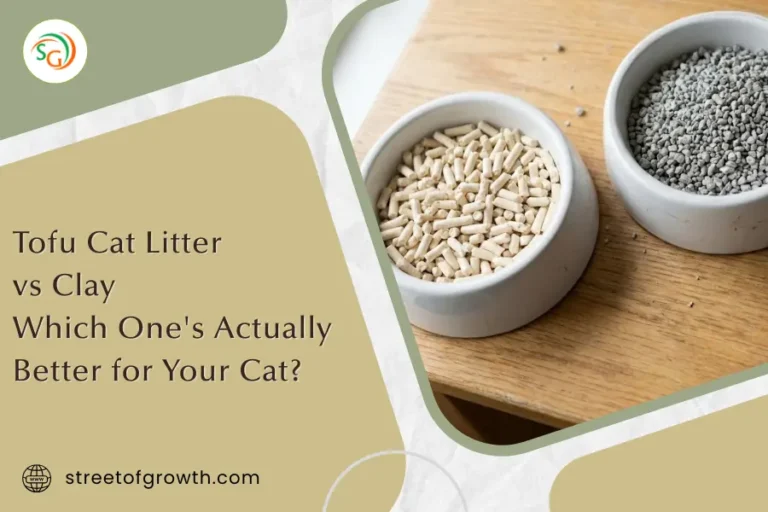
Litter is usually the biggest single item here, and tofu litter compared with clay looks at both sides. For calming products, where marketing claims run ahead of the evidence, what holds up to scrutiny is worth checking first.
Frequently Asked Questions
Are sustainable pet products actually better for my pet’s health?
Yes! Most sustainable pet products avoid toxic chemicals, synthetic dyes, and artificial fragrances found in conventional products. Natural materials like hemp, organic cotton, and natural rubber are safer if your pet chews or ingests small pieces. Plus, plant-based shampoos and cleaners won’t irritate sensitive skin the way harsh chemicals can.
Can I compost pet waste if I use biodegradable poop bags?
It depends. Dog and cat waste contains pathogens that can make humans sick, so you shouldn’t add it to compost that goes on vegetable gardens. However, you can use a dedicated pet waste composter (like Doggie Dooley) for your yard, or some cities have pet waste composting programs. Always check local regulations. The main benefit of biodegradable bags is they break down in landfills, unlike plastic.
What’s the most important sustainable swap I can make for my pet?
If you can only make one change, switch to poop bags that are actually compostable (with proper certification) or invest in a high-quality, long-lasting toy made from natural materials. Both of these have immediate environmental impact. For cat owners, switching from clay to plant-based litter makes a huge difference.
How do I know if a natural rubber toy is safe for my dog?
Look for toys made from 100% natural rubber (not synthetic rubber). Check for certifications like FDA-approved, non-toxic, and BPA-free. Reputable brands like West Paw, Beco Pets, and Kong clearly state their materials and safety testing. Avoid any toys with a strong chemical smell, which indicates synthetic materials.
Are hemp pet products legal everywhere?
Yes! Hemp products are legal throughout the United States and most countries. Hemp is different from marijuana and contains only trace amounts of THC (the psychoactive compound). Hemp collars, toys, and beds won’t affect your pet in any way except making them more comfortable.
Can cats use sustainable litter if they’re picky?
Absolutely, but you might need to try a few options. Start by mixing a small amount of natural litter with their current litter and gradually increase the ratio over two weeks. Many cats prefer wood pellets or corn-based litters once they get used to the texture. If your cat refuses to adapt, wheat-based litters have a texture similar to traditional clay and are easier to transition to.
Do recycled plastic pet products contain microplastics?
Products made from recycled plastic are solid items (like bowls, toys, or leashes) that don’t shed microplastics the way synthetic fabrics do. However, as these products wear down over time, they may eventually release small particles. The key is choosing high-quality recycled plastic products that are durable and long-lasting. When they do reach end-of-life, many companies accept returns for proper recycling.
Is insect-based pet food actually nutritious?
Yes! Research shows that insect protein (especially from black soldier fly larvae and crickets) provides complete amino acid profiles similar to traditional meat proteins. It’s high in protein, contains healthy fats, and includes vitamins and minerals dogs need. Several veterinarian-formulated brands now use insect protein. However, always introduce new foods gradually and consult your vet, especially if your dog has specific dietary needs.
Can I recycle my pet’s old toys and products?
Some items yes, some no. Stainless steel bowls can go in metal recycling. Some companies (like West Paw) have take-back programs where they recycle old toys. Fabric items can sometimes be donated to animal shelters if they’re still usable. Unfortunately, most plastic pet toys and mixed-material products can’t be recycled through normal programs. This is why buying durable, long-lasting products from the start is so important.
Are sustainable pet products available in regular stores or only online?
More and more regular pet stores are carrying sustainable options! Chains like Petco and PetSmart now have eco-friendly product lines. However, you’ll find the best selection and variety online. Many sustainable brands sell directly through their websites or through marketplaces like EarthHero or Chewy (which has been expanding its eco-friendly options).
How long do sustainable pet products typically last compared to conventional ones?
In most cases, sustainable products last significantly longer. A well-made hemp leash or stainless steel bowl will last your pet’s entire life. Natural rubber toys are nearly indestructible. Compare this to cheap plastic toys that break in weeks or synthetic beds that flatten in months. While the upfront cost might be higher, the cost-per-year is usually lower for sustainable products because you’re not constantly replacing them.