How to Meal Prep for One Person on a Budget (Safely)
Learning how to meal prep for one person on a budget runs into a problem most meal prep advice ignores: the standard Sunday routine of cooking seven days of food assumes a family will eat it by Wednesday. Cook for one and you either eat the same dish until you hate it, or you keep food in the fridge well past the point food safety guidance says it is safe.
Below you will find the storage rule that should shape your whole plan, a batch that costs around two dollars a portion, how to use the freezer so you are not eating one meal all week, and which cheap staples earn their place.
What Is the One Rule That Changes Solo Meal Prep?
Cooked leftovers keep for three to four days in the fridge. Everything else in solo meal prep follows from that.
The University of Nebraska-Lincoln Extension, citing USDA Food Safety and Inspection Service guidance, sets out the basics in its guide to leftover food safety: leftovers can be kept in the refrigerator for three to four days, food should be refrigerated within two hours of cooking, and leftovers should be reheated thoroughly to 165°F. The USDA also answers the same question on its Ask USDA food safety page.
Apply that to a single person. Cook on Sunday and whatever you have not eaten by Wednesday or Thursday should not be sitting in the fridge. A family works through a batch before the window closes. One person does not, which is why solo meal prep has to be built around the freezer rather than the fridge.
The myth worth clearing up: plenty of people treat “if it smells fine, it is fine” as a safety test. It is not a reliable one. The bacteria that cause foodborne illness do not necessarily change how food smells, tastes or looks, so a container on day six can seem perfectly normal. Go by the date you cooked it, not by the smell.
How to Meal Prep for One Person on a Budget: Plan Around the Fridge
The core of meal prep for one person on a budget is splitting every batch into fridge portions and freezer portions the moment it cools. The fridge covers the next three days; the freezer covers everything after.
- Cook one or two batch recipes, not five. Two recipes give you variety without two hours of washing up.
- Portion into single servings straight away. Cool the food, divide it up, and get it into the fridge within two hours.
- Keep three portions in the fridge. Those are your meals for the next few days.
- Freeze the rest the same day. Freezing on day one preserves quality far better than freezing on day three.
- Label each container with the dish and the date. A masking tape label removes all guessing later.
- Move one frozen portion to the fridge each evening. Thawing in the fridge overnight keeps it safe and ready for tomorrow.
From what we’ve seen, the step that makes solo prep work is the fourth one. People who freeze immediately end up with a freezer full of different meals after three or four weeks, so each night is a choice rather than a repeat. People who wait until the food is nearly out of date freeze less and throw more away.
How Cheap Can a Batch Really Be?
Around two dollars a portion is realistic for a bean, grain and vegetable batch with a modest amount of meat. The exact figure depends on where you shop, so treat the numbers below as an illustration rather than a price list.
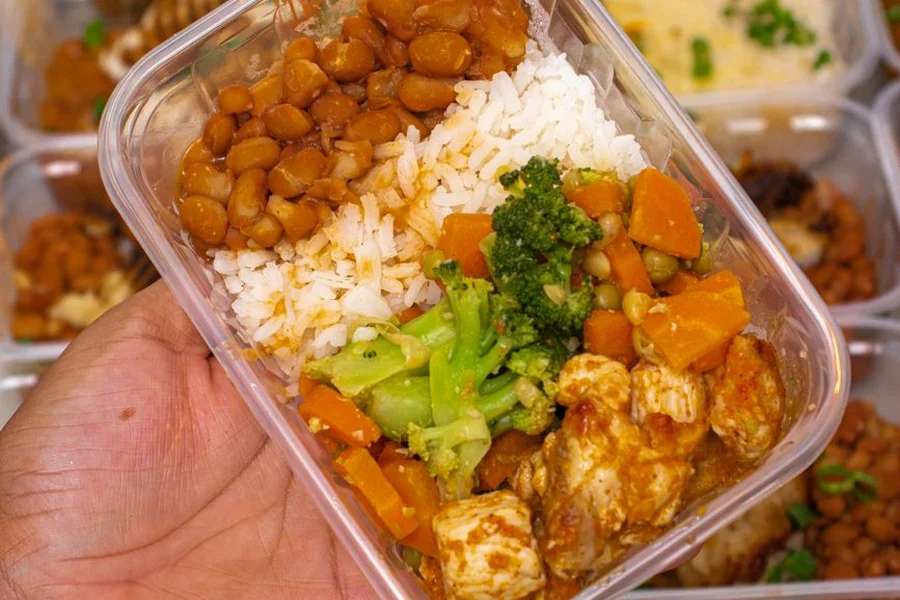
A chicken and black bean rice bowl batch, using typical supermarket prices:
- Dried black beans, 1 lb: $1.60
- Brown rice, 2 lb: $2.80
- Onions, 3 lb bag: $3.20
- Frozen mixed vegetables, 32 oz: $4.00
- Canned tomatoes, 28 oz: $2.10
- Chicken thighs, 2 lb: $6.50
- Share of spices and oil: $1.50
That comes to $21.70. Divided into ten portions it is about $2.17 each, and into eight larger portions about $2.71. Three go in the fridge for the next few days and the rest go straight into the freezer.
One thing most guides miss is that for a single person the cheapest ingredients are often the ones that do not spoil. Dried beans, rice, oats, frozen vegetables and canned tomatoes last months. Fresh produce bought for one frequently goes off before it is used, which quietly raises your real cost per meal well above the till receipt.
Which Staples Are Worth Buying?
The ones that last, cook in bulk, and change character with different seasoning. That combination is what lets a small shopping list produce varied meals.
- Dried beans and lentils. Among the cheapest protein available, and lentils need no soaking.
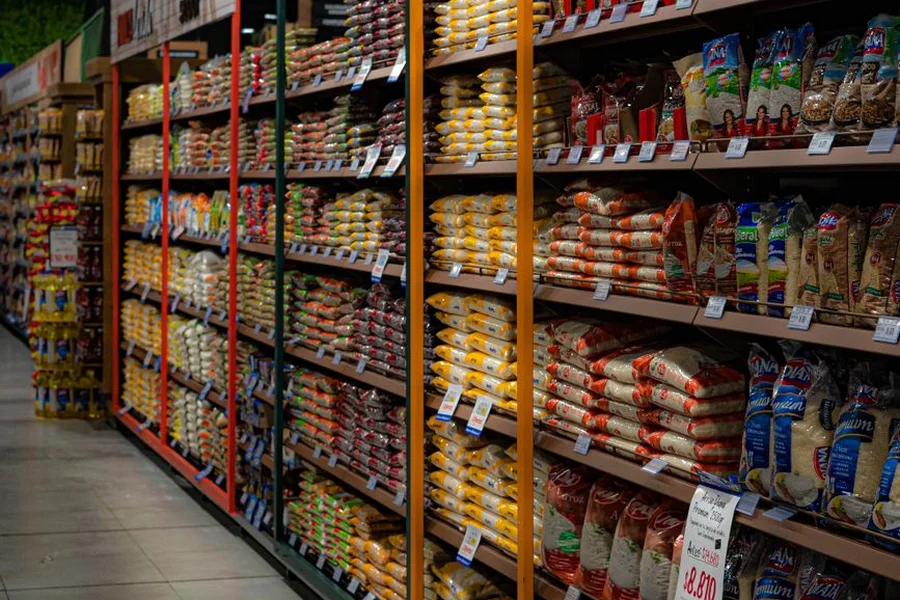
- Rice, oats and pasta. Filling bases that store for months.
- Frozen vegetables. Frozen shortly after harvest, portionable, and they never wilt in the drawer.
- Canned tomatoes. The base for soups, curries, chilli and pasta sauces.
- Eggs. Cheap protein that works for any meal and keeps well.
- Chicken thighs. Usually cheaper than breasts, harder to overcook, and they freeze well.
- Onions, garlic and a few spices. The difference between the same beans tasting like chilli one week and a curry the next.
After looking at how solo cooks keep costs down, we prefer building each week around one grain, one legume and one frozen vegetable, then changing only the seasoning. Rice, black beans and peppers become burrito bowls with cumin and lime, or a stir-fry base with soy and ginger. The shopping list stays short while the meals stay different.
If you want recipe ideas beyond the basics, our anti-inflammatory meal prep recipes and weekly plan covers dishes that batch well, and our piece on eating on an ancestral budget takes a different angle on low-cost whole foods.
What Should You Avoid?
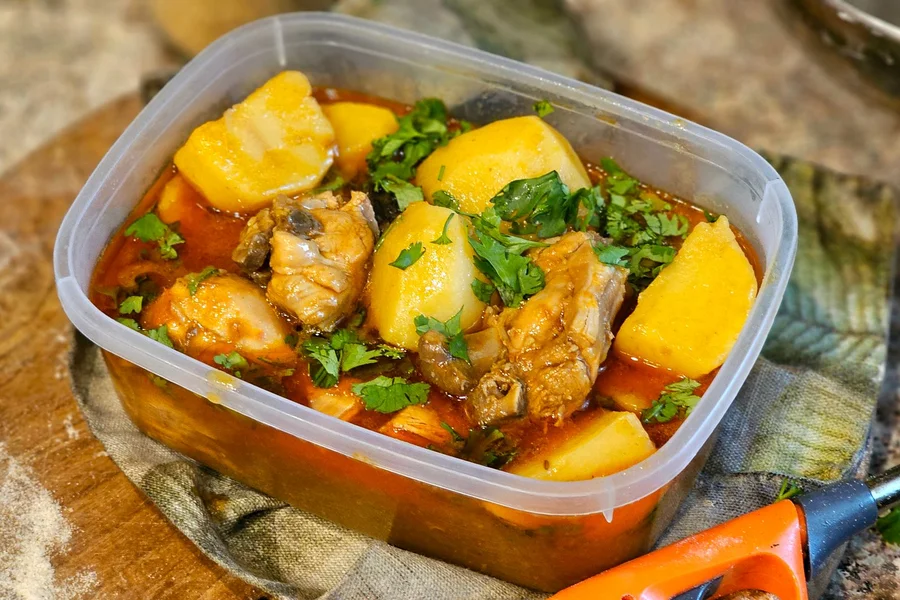
A common mistake worth avoiding: buying fresh ingredients in family-sized quantities because the price per pound is lower. A two-pound bag of spinach at a better unit price costs more than a small bag if half of it turns to slime by Thursday. For one person, the relevant number is the cost of what you eat, not the cost of what you buy.
Three more pitfalls. Do not freeze dishes that go watery or grainy when thawed, including cooked potatoes in soup, cream-based sauces and most salads. Do not reheat the same portion more than once, since repeated cooling and reheating is where quality and safety both degrade. And do not prep so much variety that you spend your whole Sunday cooking, because a routine that exhausts you will not survive a busy month.
Households trying to stretch money further may also find our guide to budgeting through rising inflation helpful for the rest of the shopping list.
Frequently Asked Questions
How long does meal prep last in the fridge?
Three to four days for cooked food, according to USDA guidance cited by the University of Nebraska-Lincoln Extension. Refrigerate within two hours of cooking and reheat to 165°F. If you are prepping for longer than that, freeze the extra portions on the day you cook.
Is it cheaper to meal prep for one person?
Usually, provided you avoid waste. A bean, rice and vegetable batch can come in around two dollars a portion. The savings disappear if fresh ingredients go off before you use them, which is why shelf-stable and frozen staples suit a single cook best.
How do I avoid eating the same meal every day?
Freeze most of each batch immediately and rotate. After a few weeks your freezer holds several different dishes, so each evening you move a different portion to the fridge. Cooking two recipes per session also helps.
What foods do not freeze well?
Cooked potatoes in soups, cream or dairy-based sauces, raw salad vegetables, and fried foods tend to turn watery, grainy or soggy after thawing. Grain bowls, beans, chilli, curries, stews and tomato-based sauces freeze well.
What is the safest way to thaw meal prep?
In the refrigerator overnight. It takes longest but keeps food at a safe temperature throughout. Move tomorrow’s portion from the freezer to the fridge each evening, then reheat it thoroughly to 165°F before eating.
How much should one person spend on groceries for meal prep?
It varies widely by location and diet, so there is no single right figure. A sensible approach is to price one batch recipe, divide by the portions it makes, and plan around that cost per meal rather than a weekly total.
Do I need special containers?
No. Any clean, airtight, freezer-safe container works, and single-portion sizes make thawing easier. Label every container with the dish and the date so you always know how long it has been stored.
Getting Meal Prep for One Person on a Budget Right
How to meal prep for one person on a budget comes down to respecting the three-to-four-day fridge window and using the freezer for everything beyond it. Cook one or two batches, portion them straight away, freeze most of it, and build around staples that do not spoil before you get to them.
This week, cook one batch, keep three portions in the fridge and freeze the rest with a dated label. In a month you will have a freezer of different meals and a clear sense of what each one really costs.