How to Organize Under a Bathroom Sink on a Budget
Most advice on how to organize under a bathroom sink on a budget starts with buying bins. It should start with two checks that cost nothing: where the cleaning products are going to live, and whether you can still reach the water shutoff valve. Get those right and a few inexpensive containers will do the rest.
Below you will find what to take out before you organize anything, the cheap storage that works around pipes, why an unlocked low cabinet is the wrong home for cleaners if children visit, and how to spot the slow leaks this cabinet tends to hide.
What Should Come Out Before You Organize?
Everything, and some of it should not go back. The space under a bathroom sink collects expired products, duplicates and cleaners that are safer stored elsewhere.
- Empty the cabinet completely. You cannot plan around pipes and a trap you cannot see.
- Wipe it down and let it dry. Look for water stains, swelling in the cabinet base, or a musty smell while it is empty.
- Discard expired and near-empty products. Old sunscreen, separated lotions and three-quarters-used bottles you never finish.
- Group what stays by use. Hair, skincare, spare toiletries, first aid and cleaning supplies each become a zone.
- Measure the usable space. Record width, depth and height, and note where the pipes and the trap sit.
From what we’ve seen, the decluttering step saves more money than any container does. Most people find they own several of the same product and can skip buying anything until those are used up.
How to Organize Under a Bathroom Sink on a Budget
To organize under a bathroom sink on a budget, use the height, work around the pipes, and buy containers only after you have measured. The pipes are the whole design problem, so everything below is about using the space around them.
- Clear shoebox-sized bins. Inexpensive, stackable, and see-through, so you find things without pulling everything out. One bin per zone.
- A two-tier U-shaped or adjustable shelf. Designed to straddle the drain pipe, and the single biggest gain in usable space for most cabinets.
- Pull-out drawers or a lazy Susan. Bring items at the back within reach, which matters in large cabinets where things vanish.
- Over-the-door or adhesive hooks. Use the inside of the cabinet door for a hair dryer, brushes or a small caddy. Check the door still closes before committing.
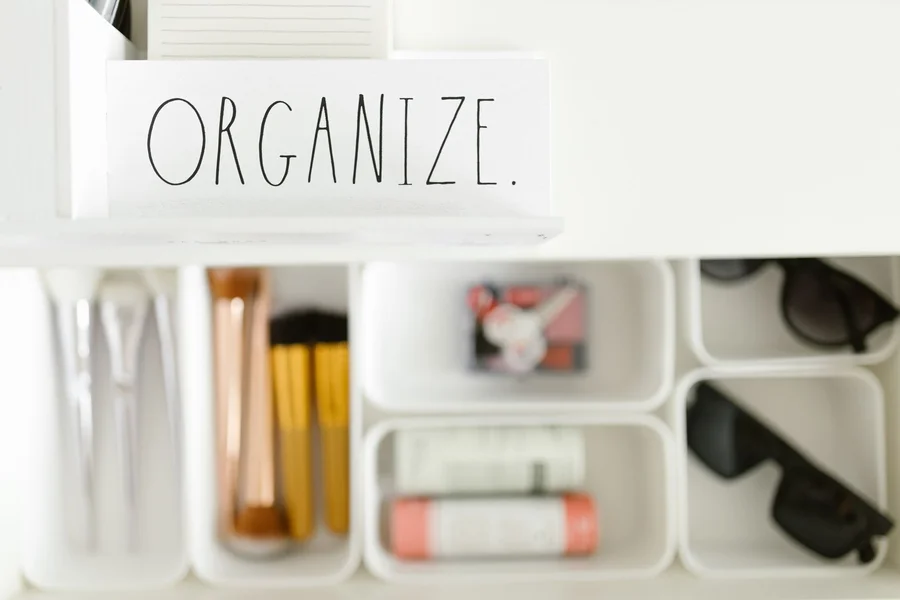
- Repurposed containers. Shoe boxes, glass jars and small kitchen baskets cost nothing and work well for cotton pads, hair ties and samples.
- Labels. A marker and masking tape are enough. Labels are what keep the system working after the first week.
Dollar and discount stores stock most of these, so a full setup can often be done for the cost of a couple of takeaway meals if you buy only what the measurements call for.
The myth worth clearing up: buying a matching set of containers is not what makes a cabinet stay organized. Matching bins look good in photos and often fit badly around a real drain pipe. Containers sized to your actual measurements, even mismatched ones, hold up far better than a set chosen for appearance.
Where Should Cleaning Products Go?
Not in an unlocked low cabinet if young children live in or visit your home. This is the part of under-sink organizing that matters most and gets mentioned least.
Poison Control is direct about it in its spring cleaning safety guidance: “One of the most dangerous places to store cleaners is in an unlocked, low kitchen or bathroom cabinet.” It recommends cabinets with child-resistant latches.
The American Academy of Pediatrics goes further in its poison prevention advice for parents, recommending that cleaning and laundry products be kept “in their original packaging in locked cabinets or containers, out of sight and reach of children.” It also notes that safety latches help but are not foolproof, since there is always a chance a device will malfunction or a child will defeat it.
In practice that means one of two setups. Either move cleaners to a high shelf or locked cabinet elsewhere and keep the under-sink space for toiletries, or fit a latch and keep cleaners in a single lidded bin. Keep every product in its original container, and save the Poison Help number, 1-800-222-1222, in your phone.
One thing most guides miss is chemical compatibility. When cleaning products share one bin, a leaking bottle can mix with another. Poison Control warns that ammonia should never be mixed with chlorine or bleach products because it can release chloramine, a highly irritating gas. Keep bleach-based and ammonia-based cleaners in separate containers, and store them upright.
Why Keep the Pipes Accessible?
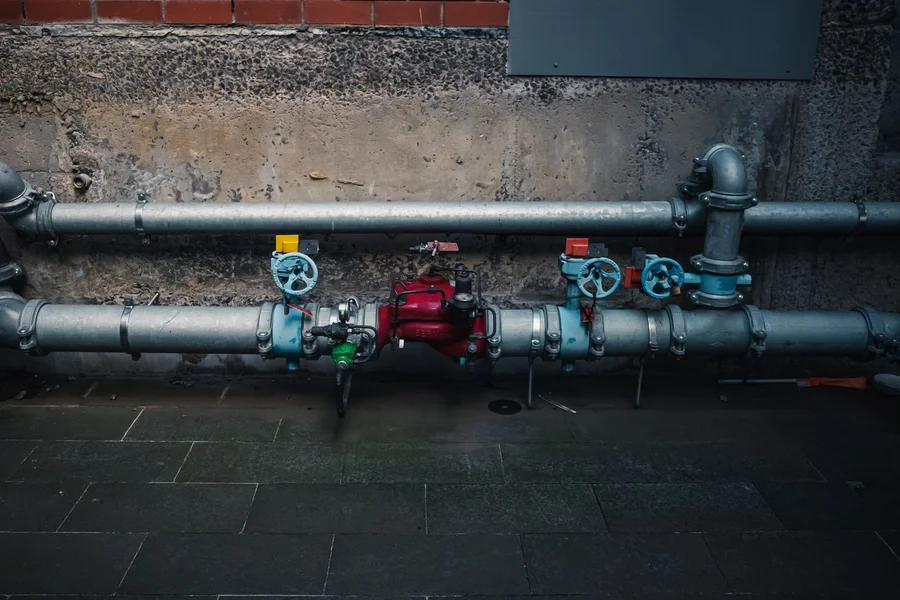
Because this cabinet is where slow leaks hide, and a packed cabinet hides them better. Leave the shutoff valve and the trap reachable without emptying everything.
The Environmental Protection Agency’s WaterSense program puts numbers on how much this matters. Its Fix a Leak Week page states that the average household’s leaks can account for more than 9,300 gallons of water wasted every year, that nine percent of homes have leaks wasting 50 gallons or more per day, and that household leaks can waste nearly one trillion gallons nationwide annually.
A slow drip under a sink often goes unnoticed until the cabinet base swells or smells. A simple habit catches it early: keep a dry paper towel or a shallow tray under the trap, and glance at it whenever you grab something. If you want an electronic early warning, our explainer on smart leak detection AI covers inexpensive sensors that alert you to water where it should not be.
A common mistake worth avoiding: building shelving that blocks the shutoff valve. We have seen tidy under-sink setups that had to be completely dismantled during a leak, while water ran, just to reach the valve. Whatever you install, you should be able to reach and turn the shutoff valve in a few seconds.
How Do You Keep an Under-Sink Cabinet Organized?
A system survives when putting things back is as easy as taking them out. Three habits do most of the work.
Give every zone one container and label it, so there is only one obvious place for each item. Adopt a one-in, one-out rule for toiletries, so a new bottle only goes in when an empty one comes out. And spend two minutes each month checking dates and glancing at the pipes.
After looking at what holds up over time, we prefer fewer, larger bins over many small ones for under-sink spaces. Small containers multiply and get shuffled around the pipes, while three or four well-sized bins stay put and are easier to pull out in one go.
If you are tackling other small upgrades on a budget, our guides to energy-efficient upgrades that save money and smart home automation on a budget cover the next steps.
Frequently Asked Questions
What is the cheapest way to organize under a bathroom sink?
Declutter first, then use containers you already own, such as shoe boxes, jars and small baskets. Buy only what your measurements call for, starting with a shelf that fits around the drain pipe, since that gives the biggest gain in usable space.
Is it safe to store cleaning products under the bathroom sink?
Not in an unlocked cabinet if young children live in or visit the home. Poison Control describes an unlocked low bathroom cabinet as one of the most dangerous places to store cleaners, and the American Academy of Pediatrics recommends locked cabinets out of sight and reach.
How do you organize around the pipes?
Use a U-shaped or adjustable two-tier shelf that straddles the drain, and fill the sides with tall narrow bins. Keep the trap and shutoff valve clear so you can reach them quickly during a leak.
Can I store bleach and ammonia cleaners together?
Keep them in separate containers. Poison Control warns that ammonia should never be mixed with chlorine or bleach products because it can release chloramine gas. A leaking bottle in a shared bin can cause exactly that mix.
How do I know if my sink is leaking?
Look for water stains, a swollen or soft cabinet base, a musty smell, or damp spots after running the tap. A dry paper towel placed under the trap makes slow drips easy to spot. EPA WaterSense estimates household leaks can waste more than 9,300 gallons a year.
What should I keep under the bathroom sink?
Spare toiletries, backup toilet paper, hair tools, a small first aid kit and extra towels work well. Keep medicines and cleaning products somewhere locked and out of children’s reach, and avoid storing anything that damp could ruin.
Do pull-out drawers work under a sink?
Yes, if you measure carefully around the pipes. Pull-out drawers and lazy Susans make items at the back reachable, which is especially useful in large cabinets. Check the drawer depth against the distance to the trap before buying.
Organizing Under a Bathroom Sink on a Budget: The Short Version
Organizing under a bathroom sink on a budget comes down to decluttering first, measuring around the pipes, and buying only the few containers that fit. The two decisions that matter most cost nothing: keeping cleaning products locked away from children, and keeping the shutoff valve reachable.
This weekend, empty the cabinet, check the base for water damage, and measure the space before you buy a single bin. That half hour will tell you exactly what you need and what you already have.