
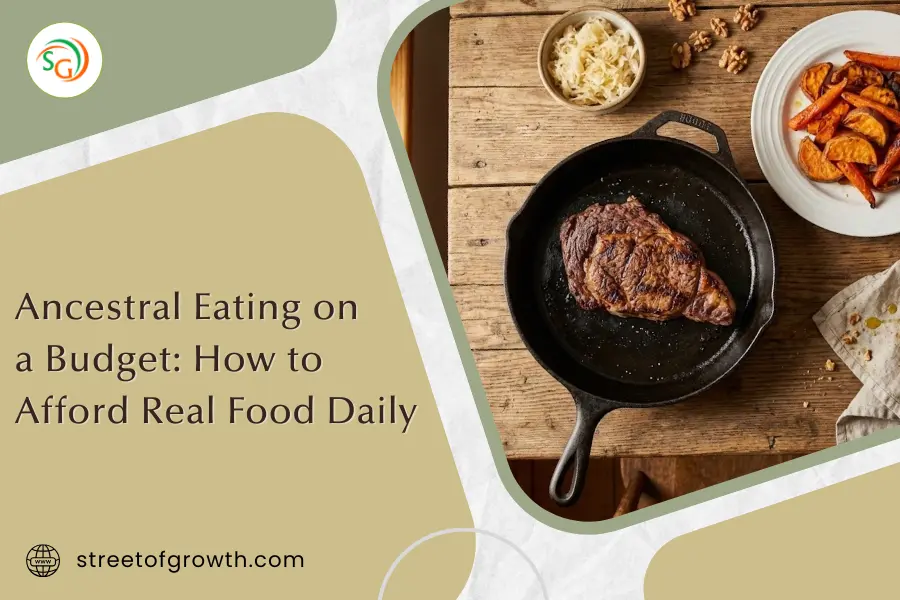
Ancestral Eating on a Budget: How to Afford Real Food Daily
You’re standing in the grocery store, exhausted after work, staring at shelves packed with products claiming to be healthy. Low-fat yogurt. Sugar-free cereal. Protein bars with ingredient lists longer than your work emails. Your energy is shot, your digestion is off, and you’re gaining weight despite “eating right.”
Sound familiar?
What nobody wants to admit: we’ve been sold a nutritional disaster disguised as progress. While our grandparents ate real food and stayed healthy, we’re surrounded by options yet sicker than ever. The solution isn’t another trendy diet or expensive supplement. It’s going back to the basics our bodies were designed for.
Welcome to ancestral eating, the approach that’s helping thousands of people reclaim their health without giving up their modern lives.
What Is Ancestral Eating? (And What It’s NOT)
Something to clear up right away: ancestral eating isn’t about dressing like a caveman, hunting your own meat, or spending six hours making bone broth every Sunday.
Ancestral eating is simply this: eating the way humans ate before factories started processing our food into unrecognizable products. It’s choosing foods your great-great-grandparents would recognize and avoiding the laboratory-created stuff that’s making us sick.
Think about it. Humans thrived for millions of years eating meat, fish, vegetables, fruits, nuts, and seeds. These foods built strong bodies, sharp minds, and healthy communities. Then, in just the last 100 years, we introduced processed oils, refined sugars, artificial additives, and foods engineered in labs. And guess what happened? Obesity, diabetes, heart disease, autoimmune conditions, and digestive problems exploded.
The connection isn’t complicated. Our bodies evolved over millions of years to run on real food. When we feed them fake food, things break down.
But what ancestral eating is NOT:
- It’s not about perfection. You don’t need to source everything organic or only eat wild-caught fish.
- It’s not restrictive. There’s no calorie counting or measuring portions.
- It’s not extreme. You can still enjoy birthday cake at parties.
- It’s not expensive. Real food can actually cost less than processed junk.
- It’s not time-consuming. Simple meals work just fine.
Why Ancestral Eating Works (The Simple Science)
Your body is remarkably intelligent. When you feed it real, nutrient-dense food, it knows exactly what to do with it. Vitamins get absorbed. Minerals go where they’re needed. Energy stays steady. Inflammation decreases.
Research shows that ancestral diets contained roughly 35% fats, 35% carbohydrates, and 30% protein, with minimal processed sugars and no industrial seed oils. Compare that to today’s diet, where 70% of calories come from sugar, grains, and vegetable oils. No wonder we’re struggling.
Modern hunter-gatherer communities like the Tsimané people in Bolivia have 85% of their population with no risk of coronary artery disease, five times lower than Americans. The Hadza people in Tanzania have remarkably low rates of obesity, diabetes, and heart disease throughout their lives. These aren’t people with access to fancy gyms or expensive supplements. They’re eating real food and moving naturally.
When you switch to ancestral eating, what typically happens:
Week 1-2: Energy levels stabilize. No more 3 PM crashes. Your cravings for junk food start fading.
Week 3-4: Digestion improves dramatically. Bloating decreases. You sleep better.
Month 2-3: Weight starts normalizing without counting calories. Mental clarity sharpens. Skin looks healthier.
Month 4+: Chronic inflammation reduces. Blood sugar stabilizes. You feel genuinely good in your body again.
The 5 Core Principles of Ancestral Eating
Forget complicated rules and food pyramids. Ancestral eating comes down to five simple principles:
1. Eat Whole, Real Foods
If it comes in a box with 15 ingredients you can’t pronounce, it’s not real food. Your ancestors wouldn’t recognize it, and your body doesn’t know what to do with it.
Choose: Fresh meat, fish, eggs, vegetables, fruits, nuts, and seeds.
Skip: Processed snacks, packaged meals, anything with artificial ingredients or industrial seed oils (canola, soybean, corn, cottonseed).
2. Prioritize Nutrient Density
Not all calories are created equal. A 300-calorie fast food burger and a 300-calorie grass-fed steak with vegetables aren’t the same. One depletes your body. The other nourishes it.
Focus on: Foods packed with vitamins, minerals, and healthy fats. Organ meats, fatty fish, colorful vegetables, and pastured eggs are nutrition powerhouses.
3. Eliminate the Three Modern Disasters
Three foods make up nearly 70% of the modern diet and are key contributors to inflammatory diseases: refined sugar, grain flour, and seed oils. Cut these out, and you’re 80% of the way there.
The Big Three to Avoid:
- Refined sugar and high-fructose corn syrup
- Industrial seed oils (vegetable oil, canola oil, soybean oil)
- Refined grains (white flour, processed cereals)
4. Eat According to Your Region and Season
Your body adapted to the foods available in your environment. You don’t need to import exotic superfoods or follow someone else’s ancestral diet.
Shop: At farmers markets when possible. Choose local, seasonal produce. Support regional farms.
5. Keep It Simple
Your ancestors didn’t have meal prep containers and color-coded spreadsheets. They cooked simple meals with whole ingredients.
Basic template: Protein (meat, fish, eggs) + vegetables + healthy fat (butter, olive oil, avocado). Done.

Your 4-Phase Transition Plan
Where most ancestral eating guides fail you: they dump a bunch of theory and expect you to figure it out while juggling work, family, and life. That’s not realistic.
This four-phase approach lets you ease in without overwhelm.
Phase 1: Foundation (Weeks 1-2)
One focus: Remove the obvious junk.
Swap out the worst offenders first. Replace:
- Soda with water or sparkling water
- Vegetable oil with butter, olive oil, or coconut oil
- Breakfast cereal with eggs
- Packaged snacks with nuts or fruit
Keep: Everything else the same for now.
Phase 2: Building (Weeks 3-4)
New focus: Start cooking more meals at home.
You don’t need fancy recipes. Pick three simple meals you can rotate:
- Scrambled eggs with vegetables
- Grilled chicken or fish with roasted vegetables
- Ground beef with sweet potatoes
Meal prep basic ingredients on weekends to save time. Boil eggs, chop vegetables, cook proteins in advance.
Phase 3: Deepening (Month 2)
New focus: Upgrade your protein sources and add variety.
Start choosing:
- Grass-fed beef when budget allows
- Wild-caught fish over farmed
- Pastured eggs instead of conventional
- Organ meats once a week (start with liver mixed into ground beef)
Add fermented foods for gut health: sauerkraut, kimchi, yogurt, kefir.
Phase 4: Lifestyle (Month 3+)
New focus: Make ancestral eating your default, not a diet.
By now, this feels natural. You’re not following rules anymore. You’re just eating real food because it makes you feel amazing.
Fine-tune based on your body’s response. Some people thrive on more carbs, others on more fat. Listen to your energy, digestion, and how you feel.
Everyday Scenarios: How to Stay Ancestral Everywhere
At Restaurants
Your approach: Order simply and swap intelligently.
- Choose: Grilled meat or fish, steamed vegetables, salads with olive oil
- Skip: Fried foods, bread baskets, sugary sauces
- Ask: For vegetables instead of fries, butter instead of vegetable oil
Example order: “I’ll have the salmon, but can you cook it in butter instead of vegetable oil? And I’d like a side salad with olive oil instead of the fries.”
Most restaurants are happy to accommodate simple requests.
When Traveling
Pack these:
- Nuts and seeds in small bags
- Hard-boiled eggs (for short trips)
- Beef jerky or meat sticks
- Fresh fruit
At airports/hotels:
- Choose salads with protein
- Order omelets without toast
- Find grocery stores for real food instead of relying on airport options
At Social Events
Your approach: Eat before you go, then be selective.
Have a proper ancestral meal before heading to parties. This prevents you from arriving starving and inhaling chips and cookies.
At the event:
- Focus on conversation, not food
- Choose meat and cheese platters over desserts
- Enjoy one special treat if you want, then move on
Important: Don’t announce you’re “doing ancestral eating” or lecture people about their food choices. Just eat what works for you and keep it moving.
With Skeptical Family Members
Your spouse thinks you’re going through another health phase. Your mom worries you’re not eating enough carbs. Your friends think you’re extreme.
Response: Let results speak. When your energy improves, weight normalizes, and mood stabilizes, people notice. You don’t need to convince anyone. Just show them it works.
For family meals: Prepare ancestral options alongside regular meals. Make extra protein and vegetables. Most people won’t even notice you’re eating differently.
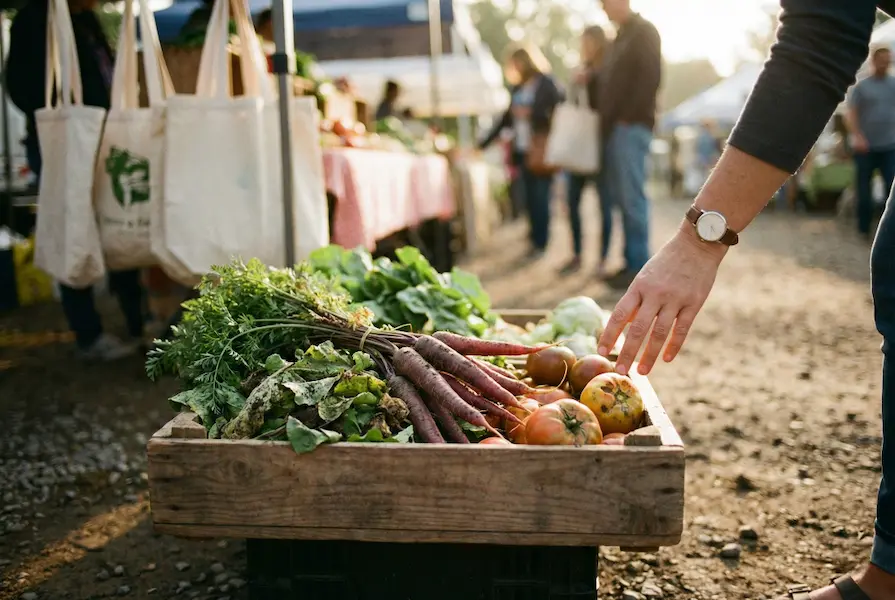
Budget-Friendly Ancestral Eating
Talk about money because the “ancestral eating is expensive” myth needs to die.
Yes, grass-fed beef and wild-caught salmon cost more. But you know what else is expensive? Doctor visits, medications, and feeling terrible all the time.
How to eat ancestrally on any budget:
Buy in bulk:
- Ground beef (can be frozen in portions)
- Eggs (cheapest protein available)
- Seasonal vegetables
- Frozen vegetables (just as nutritious)
Choose cheaper cuts:
- Chicken thighs instead of breasts
- Chuck roast instead of ribeye
- Whole chickens (use everything, make bone broth)
Skip the premium options when necessary: You don’t need everything organic to benefit from ancestral eating. Conventional produce is still better than processed food.
Prioritize your spending:
- First: Eliminate seed oils and refined sugar
- Second: Get enough protein
- Third: Add vegetables
- Fourth: Upgrade quality when budget allows
Sample weekly budget ($75 for one person):
- Eggs (2 dozen): $8
- Ground beef (3 lbs): $15
- Chicken thighs (3 lbs): $10
- Sweet potatoes (5 lbs): $6
- Frozen vegetables (4 bags): $8
- Fresh seasonal produce: $15
- Butter/olive oil: $8
- Nuts/seeds: $5
That’s three meals a day of real food for about $10-11 per day. Compare that to eating out or buying processed “health” foods.
Common Mistakes to Avoid
Mistake #1: Going Too Extreme Too Fast
Throwing out everything in your kitchen and starting from zero is overwhelming. You’ll burn out within a week.
Better approach: Transition gradually using the four-phase plan above.
Mistake #2: Becoming Obsessive
The ancestral eating narrative can lead to food anxiety and disordered eating when taken to extremes. Don’t let perfect become the enemy of good.
Remember: Eating a slice of your child’s birthday cake won’t undo your progress. Life happens. Stay flexible.
Mistake #3: Ignoring Your Body’s Signals
Some people thrive on more carbs, others on more fat. Your perfect ancestral diet might look different from mine.
Pay attention to: Energy levels, digestion, sleep quality, mood, and physical performance. Adjust accordingly.
Mistake #4: Neglecting Vegetables
Yes, meat is nutritious. But vegetables provide fiber, vitamins, and compounds your body needs.
Balance matters: Most people do best with a variety of both animal and plant foods.
Mistake #5: Forgetting About Lifestyle
Ancestral living isn’t just about food. Sleep, stress, movement, and community matter too.
Don’t: Nail your nutrition but sleep four hours a night and sit all day. You’ll still feel terrible.
Your First Week: Five Simple Changes
Want fast results? Start with these five actions:
Change #1: Cook eggs for breakfast instead of cereal. Immediate energy improvement.
Change #2: Replace vegetable oil with butter or olive oil. Reduced inflammation starts now.
Change #3: Swap one processed snack daily with nuts or fruit. Cravings decrease.
Change #4: Add vegetables to two meals. Nutrition and digestion improve.
Change #5: Drink only water, coffee, or tea for one week. Mental clarity increases.
Do these five things consistently, and you’ll notice significant changes within seven days.
Sample Day of Ancestral Eating
Morning (7:00 AM): 3 scrambled eggs cooked in butter with spinach and mushrooms. Black coffee or herbal tea.
Mid-Morning (10:30 AM, if hungry): Handful of mixed nuts or an apple with almond butter.
Lunch (1:00 PM): Leftover grilled chicken with roasted sweet potatoes and a big salad with olive oil and lemon dressing.
Afternoon (4:00 PM, if needed): Carrot sticks with guacamole or a few slices of deli meat.
Dinner (7:00 PM): Pan-seared salmon with asparagus sautéed in butter and a side of fermented vegetables.
Evening (9:00 PM, optional): Small portion of fresh berries or a square of dark chocolate (85%+).
Total prep time: About 45 minutes for the whole day if you meal prep on weekends.
Comparison: Ancestral vs Modern Eating
| Aspect | Modern Eating | Ancestral Eating |
|---|---|---|
| Primary Foods | Processed foods, refined grains, sugar | Whole foods, meat, fish, vegetables, fruits |
| Fats | Industrial seed oils (canola, soybean) | Butter, olive oil, animal fats, coconut oil |
| Carbs | Refined sugar (15% of calories), white flour | Natural fruits, vegetables, tubers |
| Protein | Often insufficient or poor quality | High-quality animal proteins prioritized |
| Additives | Artificial colors, flavors, preservatives | None |
| Preparation | Factory processing, microwaving | Simple cooking with whole ingredients |
| Results | Inflammation, energy crashes, disease | Stable energy, reduced inflammation, vitality |
Frequently Asked Questions
Is ancestral eating the same as paleo or keto?
Similar, but not identical. Paleo focuses on avoiding grains and dairy. Keto emphasizes very low carbs for ketosis. Ancestral eating is more flexible and focuses on whole foods that humans evolved eating, regardless of macronutrient ratios.
Can I eat dairy on an ancestral diet?
It depends. Some ancestral eaters include full-fat dairy (especially raw or fermented), while others exclude it. Try both approaches and see how your body responds. If you tolerate dairy well, quality full-fat options can be nutritious.
How much should I eat?
Eat when hungry, stop when satisfied. Real foods are self-regulating. You won’t overeat steak and vegetables the way you overeat chips and cookies. Listen to your body’s natural signals instead of counting calories.
What about grains and legumes?
Ancestral diets typically exclude agricultural products like grains introduced only about 10,000 years ago. However, properly prepared grains (soaked, fermented) and legumes can work for some people. Test and see how you feel.
Will I lose weight on an ancestral diet?
Most people naturally lose excess weight because they’re eating more satiating, nutrient-dense foods and fewer inflammatory processed foods. However, weight loss isn’t guaranteed and depends on many factors including sleep, stress, and movement.
Is this safe for kids?
Absolutely. Real, whole foods are what growing bodies need most. Kids thrive on nutrient-dense meals. Just introduce changes gradually and don’t create food anxiety. Make it normal, not a big deal.
What if I slip up and eat processed food?
You’re human. One meal of processed food won’t ruin your progress. What matters is what you do most of the time, not occasionally. Just get back to eating real food at your next meal.
How long until I see results?
Most people notice energy improvements within days. Digestive changes occur within 2-3 weeks. Weight loss and reduced inflammation typically happen within 1-3 months. Long-term disease prevention takes longer but starts immediately.
Do I need supplements?
A well-planned ancestral diet provides most nutrients. However, vitamin D (if you’re not in the sun much) and omega-3s (if you’re not eating fish regularly) may be beneficial. Focus on food first, supplement when it makes sense.
Can vegetarians or vegans eat ancestrally?
It’s challenging since ancestral diets emphasize animal foods, but you can apply the principles: avoid processed foods, eat whole plants, eliminate seed oils and refined sugar. However, getting adequate B12, iron, and complete proteins requires careful planning.
Your Next Steps: Start Today
You don’t need to wait until Monday. You don’t need to finish reading 10 more articles. You don’t need permission to start feeling better.
Right now, you can:
- Clear the junk: Go through your pantry. Anything with seed oils or 10+ ingredients goes.
- Plan tomorrow’s meals: Write down three simple ancestral meals. Buy the ingredients tonight.
- Set one small goal: Maybe it’s cooking breakfast at home all week or eliminating soda. Pick one thing and nail it.
- Track how you feel: Note your energy, digestion, sleep, and mood daily. Watch them improve.
The truth is, ancestral eating isn’t complicated. We’ve just been conditioned to believe that health requires complexity, restriction, and sacrifice. It doesn’t.
Your body knows what to do with real food. It’s been doing it for millions of years. All you need to do is stop confusing it with laboratory-created products disguised as nourishment.
The modern world offers incredible conveniences. You don’t have to reject all of them. But when it comes to the fuel you put in your body, going back to basics isn’t backward thinking. It’s the smartest decision you can make for your health, energy, and longevity.
Your great-grandparents knew something we forgot: real food, simply prepared, is all your body needs to thrive. It’s time to remember that wisdom and apply it to your modern life.
Start with one meal today. Then another tomorrow. Before you know it, eating ancestrally won’t be a diet you’re following. It’ll just be how you eat. And you’ll wonder why you ever did it any other way.