Bone Health Supplements and Diet: Proven Strategies That Work
Your bones are talking to you right now. Are you listening?
Every single day, your skeleton is either getting stronger or weaker. The choice you make today about what you eat, which supplements you take, and how you move your body will decide whether you’re building a fortress or watching it crumble.
The scary truth: after age 30, you start losing bone faster than you can build it. By age 50, this loss speeds up dramatically. One in three women and one in five men over 50 will break a bone because of osteoporosis. These aren’t just statistics on a page. These are people who slipped on ice, reached for something on a high shelf, or simply coughed too hard and ended up with a fracture that changed their life forever.
But the exciting part: you have more control over your bone health than you think. The latest research from 2025 and early 2026 has given us clearer answers than ever before about what actually works. This article will show you exactly how to protect your bones, no matter your age.
What matters most is coming right up.
Why 2026 Changes Your Bone Health Strategy
New studies released in late 2025 have updated our understanding of bone health. What’s different now:
Better Supplement Combinations: Research shows that taking calcium alone isn’t enough. Your body needs a specific combination of nutrients working together. The “power team” includes calcium, vitamin D3, vitamin K2, magnesium, and zinc. Taking them together increases absorption by up to 40% compared to taking calcium by itself.
Timing Matters More Than We Thought: Scientists discovered that when you take your supplements can be just as important as which ones you take. Your body absorbs calcium best in smaller doses spread throughout the day, not all at once.
Food Sources Beat Supplements (Sometimes): While supplements help, getting nutrients from food provides additional benefits that pills can’t match. Foods contain other compounds that help your bones in ways we’re still discovering.
Personalized Approach Works Best: There’s no one-size-fits-all solution anymore. Your age, gender, activity level, and health conditions all affect what your bones need most.
Your Bone Health Needs by Age
Different ages need different strategies. Your personalized roadmap:
Ages 20-30: Building Your Bone Bank
This is your golden window. You’re still building peak bone mass, which you’ll rely on for the rest of your life. Think of it like a retirement account for your skeleton.
What You Need Daily:
- Calcium: 1,000 mg
- Vitamin D: 600 IU (15 mcg)
- Magnesium: 310-400 mg
- Protein: 0.8g per kilogram of body weight
Your Plan:
- Focus on calcium-rich foods at every meal
- Get 20 minutes of sunlight daily when possible
- Do weight-bearing exercise 3-4 times per week
- Avoid excessive soda and energy drinks
Ages 30-40: The Maintenance Phase
You’ve hit peak bone mass, but you’re starting to lose small amounts each year. This is when prevention becomes crucial.
What You Need Daily:
- Calcium: 1,000 mg
- Vitamin D: 600 IU (15 mcg)
- Vitamin K2: 90-120 mcg
- Magnesium: 310-420 mg
Your Plan:
- Add vitamin K2 if you haven’t already
- Continue weight-bearing exercise
- Get a baseline bone density test if you have risk factors
- Cut back on salt and caffeine
Ages 40-50: The Critical Transition
For women, perimenopause begins. Hormonal changes speed up bone loss significantly during this decade.
What You Need Daily:
- Calcium: 1,000-1,200 mg
- Vitamin D: 800-1,000 IU (20-25 mcg)
- Vitamin K2: 120 mcg
- Magnesium: 320-420 mg
- Collagen: 10g (optional but beneficial)
Your Plan:
- Talk to your doctor about bone density testing
- Increase protein intake to support bones and muscles
- Add resistance training to your exercise routine
- Consider a multi-nutrient bone health supplement
Ages 50+: Protection Mode
This is when bone loss speeds up most, especially in the first few years after menopause. You need the most support now.
What You Need Daily:
- Calcium: 1,200 mg
- Vitamin D: 800-1,000 IU (20-25 mcg)
- Vitamin K2: 180 mcg
- Magnesium: 320-420 mg
- Boron: 3 mg
- Zinc: 8-11 mg
Your Plan:
- Get bone density tests every 1-2 years
- Take a multi-nutrient bone supplement
- Focus heavily on protein at every meal
- Do balance exercises to prevent falls
- Review medications with your doctor (some harm bones)
The Full Supplement Breakdown
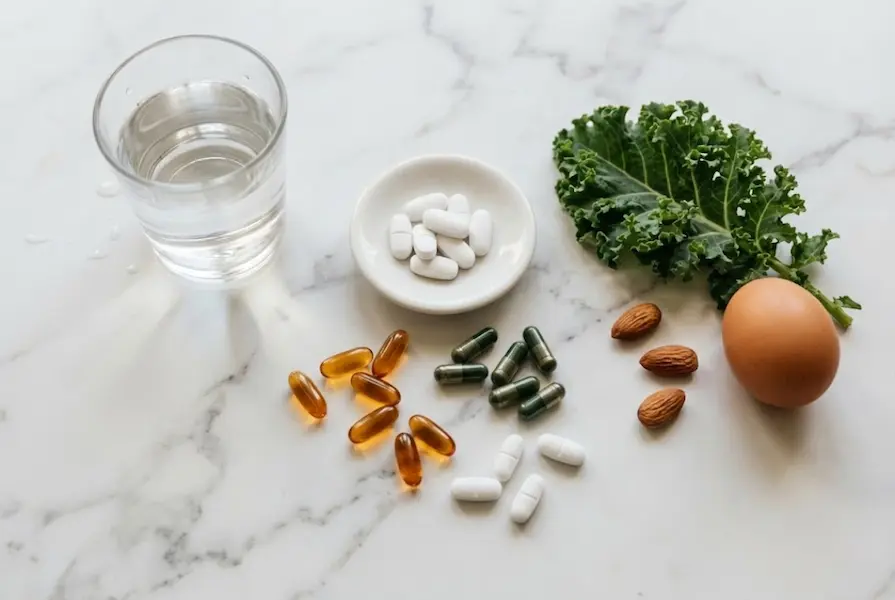
What you need and how to take it properly:
Calcium: The Building Block
Best Forms:
- Calcium citrate (easier to absorb, take anytime)
- Calcium carbonate (cheaper, take with food)
- Calcium from algae (most natural form)
How Much: 1,000-1,200 mg daily (including food sources)
How to Take It:
- Split into doses of 500 mg or less
- Take calcium citrate on an empty stomach or with food
- Take calcium carbonate with meals
- Don’t take with iron supplements (they compete)
Warning: Don’t exceed 2,000 mg daily. Too much calcium can cause constipation, kidney stones, and may increase heart disease risk. Get most from food, supplement only what you’re missing.
Vitamin D3: The Absorption Helper
Best Form: Vitamin D3 (cholecalciferol), not D2
How Much: 600-1,000 IU daily for most people; up to 2,000 IU if deficient
How to Take It:
- Take with a meal containing fat (it’s fat-soluble)
- Can take your full daily dose at once
- Take in the morning if it affects your sleep
Get Tested: Ask your doctor for a 25-hydroxy vitamin D blood test. Ideal levels are 30-50 ng/mL according to the National Institutes of Health.
Vitamin K2: The Director
This vitamin tells calcium where to go (your bones, not your arteries). It’s one of the most overlooked nutrients for bone health.
Best Form: MK-7 (stays in your body longer than MK-4)
How Much: 90-180 mcg daily
How to Take It:
- Take with vitamin D and a fatty meal
- Don’t take if you’re on blood thinners like warfarin (talk to your doctor first)
Food Sources: Fermented foods like natto, sauerkraut, and some cheeses
Magnesium: The Unsung Hero
Half of Americans don’t get enough magnesium, yet it’s critical for bone structure and helps convert vitamin D into its active form.
Best Forms:
- Magnesium glycinate (best absorption, no laxative effect)
- Magnesium citrate (good absorption, may have mild laxative effect)
Avoid: Magnesium oxide (poorly absorbed)
How Much: 310-420 mg daily
How to Take It:
- Take in the evening (it can help you sleep)
- Take away from calcium if taking high doses of both
The Supporting Cast
Boron (3 mg daily):
- Helps reduce calcium loss
- May increase vitamin D levels
- Found in prunes, raisins, and nuts
Zinc (8-11 mg daily):
- Supports bone formation
- Helps with collagen production
- Found in meat, shellfish, and legumes
Collagen (10g daily):
- Provides protein structure for bones
- May reduce bone breakdown
- Type I and III are best for bones
Silicon (5-20 mg daily):
- Helps with bone mineralization
- Found in whole grains, green beans, and beer
Your Bone-Building Diet Plan
Supplements help, but food comes first. How to eat for stronger bones:
The Best Foods for Your Bones
Calcium Champions (aim for 3-4 servings daily):
- Dairy: Milk, yogurt, cheese (300 mg per cup of milk)
- Fortified plant milks: Almond, soy, oat milk (300 mg per cup if fortified)
- Leafy greens: Kale, collard greens, bok choy (150-200 mg per cup cooked)
- Canned fish with bones: Sardines, salmon (200-300 mg per 3 oz)
- Tofu made with calcium (250 mg per half cup)
- Almonds (75 mg per ounce)
- White beans (130 mg per cup)
Vitamin D Powerhouses:
- Fatty fish: Salmon, mackerel, sardines (400-600 IU per 3 oz)
- Egg yolks (40 IU per yolk)
- Fortified foods: Orange juice, cereals, plant milks (100 IU per serving)
- Mushrooms exposed to UV light (400 IU per 3 oz)
Protein Sources (aim for 0.8-1.2g per kg of body weight daily):
- Lean meats and poultry
- Fish and seafood
- Eggs
- Greek yogurt (17g per 6 oz container)
- Cottage cheese (14g per half cup)
- Beans and lentils
- Tofu and tempeh
Vitamin K2 and Magnesium Sources:
- Natto (fermented soybeans): Best K2 source
- Hard cheeses: Gouda, Edam
- Egg yolks
- Dark chocolate: Good magnesium source
- Spinach, Swiss chard: Magnesium-rich
- Nuts and seeds: Pumpkin seeds, almonds
- Whole grains: Brown rice, quinoa
Sample Daily Meal Setup
Breakfast (Calcium: 400mg, Protein: 25g):
- Greek yogurt with berries and almond slivers
- Or: Scrambled eggs with cheese and whole grain toast
- Or: Smoothie with fortified almond milk, banana, and protein powder
Mid-Morning Snack (Calcium: 100mg):
- Small handful of almonds
- Or: String cheese
- Or: Baby carrots with hummus
Lunch (Calcium: 300mg, Protein: 30g):
- Salmon salad with mixed greens and white beans
- Or: Turkey and cheese sandwich with a side of yogurt
- Or: Tofu stir-fry with bok choy and brown rice
Afternoon Snack (Calcium: 100mg):
- Cottage cheese with fruit
- Or: Whole grain crackers with cheese
- Or: Apple with almond butter
Dinner (Calcium: 300mg, Protein: 35g):
- Grilled chicken with steamed broccoli and sweet potato
- Or: Baked salmon with sautéed kale and quinoa
- Or: Lean beef with roasted Brussels sprouts and whole grain pasta
Evening (if hungry):
- Small glass of milk
- Or: A few dried figs or prunes
Total Daily: 1,200mg calcium, 90g protein, plus vitamin D, magnesium, and other nutrients from varied whole foods
Foods to Limit (They Steal Calcium from Your Bones)

High-Salt Foods: Excess sodium forces your body to excrete calcium. Limit processed foods, canned soups, fast food, chips, and don’t add extra salt to meals. Keep sodium under 2,300 mg daily.
Sugary Foods and Drinks: Sugar increases inflammation and causes calcium loss through urine. Especially avoid soda with phosphoric acid (colas), which creates a calcium-phosphorus imbalance. One study linked soda consumption to 14% lower bone density.
Excessive Caffeine: More than 3 cups of coffee daily can interfere with calcium absorption. If you drink a lot of coffee or tea, make sure you’re getting plenty of calcium throughout the day.
Too Much Alcohol: Drinking heavily interferes with calcium absorption and disrupts bone-building hormones. Stick to no more than 1 drink per day for women, 2 for men.
100% Wheat Bran: It contains phytates that prevent calcium absorption. If you eat wheat bran cereal, take calcium supplements at least 2 hours before or after.
The 7 Biggest Bone Health Mistakes (And How to Avoid Them)
Mistake #1: Taking Calcium Without Vitamin D Your body can’t absorb calcium effectively without vitamin D. They’re a team. Always take them together, or make sure you’re getting enough vitamin D from sun exposure and food.
Mistake #2: Taking Too Much Calcium at Once Your body can only absorb about 500 mg of calcium at a time. Taking 1,000 mg in one dose means half of it goes to waste (and might cause constipation). Split your dose into 2-3 servings throughout the day.
Mistake #3: Ignoring Vitamin K2 This is the nutrient that makes sure calcium goes to your bones instead of your arteries. It’s especially important if you’re taking calcium supplements. Most people don’t get enough from food alone.
Mistake #4: Only Focusing on Supplements Food provides nutrients in forms your body recognizes better, plus additional beneficial compounds. A yogurt gives you calcium plus protein, probiotics, and other minerals. A pill just gives you calcium. Get most of your nutrients from food, supplement the gaps.
Mistake #5: Skipping Strength Training Walking is good, but it’s not enough. Your bones need resistance to stay strong. Add weightlifting, resistance bands, or bodyweight exercises at least 2-3 times per week. This is just as important as diet.
Mistake #6: Not Knowing Your Vitamin D Levels You can’t guess if you’re deficient. Get tested. Many people need more than the standard recommendation. A simple blood test tells you exactly where you stand.
Mistake #7: Forgetting About Medication Side Effects Some common medications quietly weaken your bones:
- Corticosteroids (prednisone)
- Proton pump inhibitors for heartburn (omeprazole, esomeprazole)
- Some anti-seizure medications
- Certain cancer treatments
- Depo-Provera birth control
If you take any of these, talk to your doctor about bone protection strategies.
Budget-Friendly Bone Health Strategies
Protecting your bones doesn’t have to break the bank. How to do it affordably:
Skip Single-Nutrient Supplements: Instead of buying calcium, vitamin D, magnesium, and vitamin K2 separately, get a multi-nutrient bone health formula. It’s cheaper and easier. Look for products with at least 500 mg calcium, 1,000 IU vitamin D3, 90 mcg vitamin K2, and 200 mg magnesium.
Focus on Food First:
- Canned sardines and salmon with bones: Cheap calcium and vitamin D sources
- Dried beans: Pennies per serving, good calcium and protein
- Eggs: Inexpensive protein and vitamin D
- Fortified plant milks: Often cheaper than dairy, good calcium source
- Frozen vegetables: Just as nutritious as fresh, last longer
- Plain yogurt in large containers: Much cheaper than individual cups
Buy Generic: Store-brand vitamins and supplements contain the same active ingredients as name brands at half the price. Look for “USP Verified” or “NSF Certified” on the label for quality assurance.
Use What You Already Have: Before buying new supplements, check if your multivitamin already contains some of what you need. Many multivitamins have vitamin D, magnesium, and zinc.
Prioritize Wisely: If you can only afford a few supplements, get these first:
- Vitamin D3 (most people are deficient)
- Magnesium glycinate (often lacking in diet)
- Calcium citrate (only if you’re not getting 1,000 mg from food)
Testing and Monitoring Your Bone Health
Don’t guess about your bone health. What to ask your doctor for:
Bone Density Test (DEXA Scan):
- Get a baseline at age 65 (or earlier if you have risk factors)
- Women should get tested at menopause
- Retest every 1-2 years if you have osteoporosis
- Retest every 2-5 years if you have osteopenia
- Takes 10 minutes, uses minimal radiation
Vitamin D Blood Test:
- Ask for “25-hydroxy vitamin D” test
- Ideal range: 30-50 ng/mL
- Test once a year, or after 3 months if supplementing for deficiency
- Cost: Usually $40-100 without insurance
Questions to Ask Your Doctor:
- “What’s my 10-year fracture risk?”
- “Do any of my medications affect bone health?”
- “Should I be taking bone-building medication?”
- “What are my DEXA scan T-scores?”
- “Do I have vitamin D deficiency?”
Signs You Should Get Tested Sooner:
- Family history of osteoporosis
- Previous fracture from minor trauma
- Long-term steroid use
- Early menopause (before age 45)
- Low body weight (under 127 lbs)
- Smoking or heavy alcohol use
- Digestive disorders affecting nutrient absorption
Your 30-Day Bone Health Plan
Start with small changes that build on each other:
Week 1: Information Gathering
- Get your vitamin D levels tested
- Track your current calcium intake for 3 days
- Schedule a DEXA scan if you’re due for one
- Review your medications with your pharmacist
Week 2: Supplement Setup
- Buy a quality bone health supplement or individual supplements
- Set phone reminders for taking supplements
- Create a supplement schedule (morning, afternoon, evening)
- Start taking vitamin D3 daily
Week 3: Diet Changes
- Add one calcium-rich food to each meal
- Replace soda with water or milk
- Reduce salt in your cooking
- Include a protein source at every meal
Week 4: Exercise and Habits
- Start a simple strength training routine (2-3 times per week)
- Take a 20-minute walk daily
- Limit caffeine to 2 cups daily
- Quit smoking or reduce alcohol (if applicable)
Common Questions About Bone Health
Can I get too much calcium?
Yes. More than 2,000 mg daily can cause constipation, kidney stones, and potentially heart problems. Focus on getting calcium from food first, then supplement only what you’re missing.
Is coral calcium or algae calcium better than regular calcium?
Algae calcium (like Aquamin) may be slightly better absorbed and contains additional trace minerals. However, regular calcium citrate or carbonate works perfectly fine and costs less. Choose based on your budget.
Do I need to worry about calcium going to my arteries instead of my bones?
This mainly happens when you take high-dose calcium supplements without vitamin K2 and magnesium. Taking the full team of nutrients together helps direct calcium to your bones where it belongs.
Can exercise really rebuild bone density?
Yes, but only weight-bearing and resistance exercises. Walking, running, dancing, lifting weights, and using resistance bands all work. Swimming and cycling are great for overall health but don’t build bone density.
I’m lactose intolerant. How do I get enough calcium?
Try lactose-free milk, hard cheeses (they have less lactose), yogurt with active cultures (helps digest lactose), fortified plant milks, canned fish with bones, tofu made with calcium, or leafy green vegetables.
Should vegans take different supplements?
Vegans should pay extra attention to calcium, vitamin D, vitamin B12, and zinc. Many vegans have lower bone density, so supplementation is especially important. Look for plant-based vitamin D3 (from lichen) and calcium from algae.
How long does it take to see improvements in bone density?
It takes at least 6-12 months of consistent good habits to see measurable improvements on a DEXA scan. Bone remodeling is slow, but every day of good nutrition and exercise helps.
Are prunes really good for bones?
Yes! Studies show eating 5-6 prunes daily can help preserve bone density in postmenopausal women. They contain vitamin K, potassium, and compounds that reduce bone breakdown.
Do I need boron and silicon supplements?
Most people get enough from food if they eat a varied diet with fruits, vegetables, nuts, and whole grains. However, supplementing 3 mg of boron may provide extra benefit, especially for postmenopausal women.
Can I reverse osteoporosis?
You can improve bone density with proper nutrition, supplements, and exercise, but it takes time. Some people with osteoporosis may need prescription medication in addition to lifestyle changes. Work with your doctor to create a plan.
Your Quick Reference Checklist
Print this out and stick it on your fridge:
Daily Tasks:
- [ ] Take vitamin D3 with a fatty meal
- [ ] Split calcium into 2-3 doses throughout the day
- [ ] Eat 3-4 calcium-rich foods
- [ ] Get 80-100g of protein from varied sources
- [ ] Take magnesium in the evening
- [ ] Move your body (weight-bearing activity)
- [ ] Limit caffeine to 2-3 cups
- [ ] Keep salt under 2,300 mg
Weekly Goals:
- [ ] Strength training 2-3 times
- [ ] Sun exposure 15-20 minutes (when possible)
- [ ] Review supplement schedule
- [ ] Plan meals with bone-healthy foods
Annual Actions:
- [ ] Get vitamin D levels tested
- [ ] Get DEXA scan (if age-appropriate or high risk)
- [ ] Review medications with doctor
- [ ] Evaluate and adjust supplement routine
Final Thoughts: Your Bones Are Counting on You
You now have what you need to protect your bones for life. The information in this article reflects the latest research from 2025 and early 2026, giving you the most current strategies available.
Remember these key points:
Your bones need a team of nutrients working together, not just calcium. Vitamin D3, vitamin K2, magnesium, and zinc are all essential players.
Food comes before supplements. Get as much as you can from what you eat, then supplement the gaps.
Timing matters. Small doses spread throughout the day work better than one large dose.
Exercise is not optional. Your bones need the stress of weight-bearing and resistance activities to stay strong.
Age matters. Your needs change as you get older, so adjust your strategy accordingly.
Testing gives you answers. Don’t guess about your bone health when simple tests can tell you exactly where you stand.
Every day counts. The choices you make today determine the strength of your skeleton 10, 20, and 30 years from now.
Your bones have been supporting you your entire life. Now it’s time to return the favor. Start today. Your future self will thank you.
Take Steps Now:
- Get your vitamin D tested this week
- Buy a quality bone health supplement
- Add one calcium-rich food to your next meal
- Schedule a strength training session
Your bones are counting on you. Don’t let them down.
Medical Disclaimer
This article provides general information about bone health, supplements, and nutrition for educational purposes only. It is not intended to replace professional medical advice, diagnosis, or treatment.
Before starting any new supplement regimen, changing your diet significantly, or making decisions about your bone health, consult with your doctor or a qualified healthcare provider. This is especially important if you:
- Have existing health conditions
- Take prescription medications
- Are pregnant or breastfeeding
- Have a history of kidney stones or kidney disease
- Are scheduled for surgery
- Have been diagnosed with osteoporosis or osteopenia
Individual nutritional needs vary based on age, gender, health status, and other factors. What works for one person may not be appropriate for another. Your healthcare provider can order appropriate tests, review your medical history, and recommend a personalized plan that’s safe and effective for your specific situation.
The supplement dosages and nutritional information mentioned in this article are based on general guidelines and recent research. However, optimal amounts can differ from person to person. Never exceed recommended dosages without medical supervision.
While we strive to provide accurate and up-to-date information, medical knowledge evolves constantly. Always verify information with your healthcare provider and refer to official health organization guidelines.
If you experience any adverse effects from supplements or dietary changes, stop immediately and contact your doctor.