
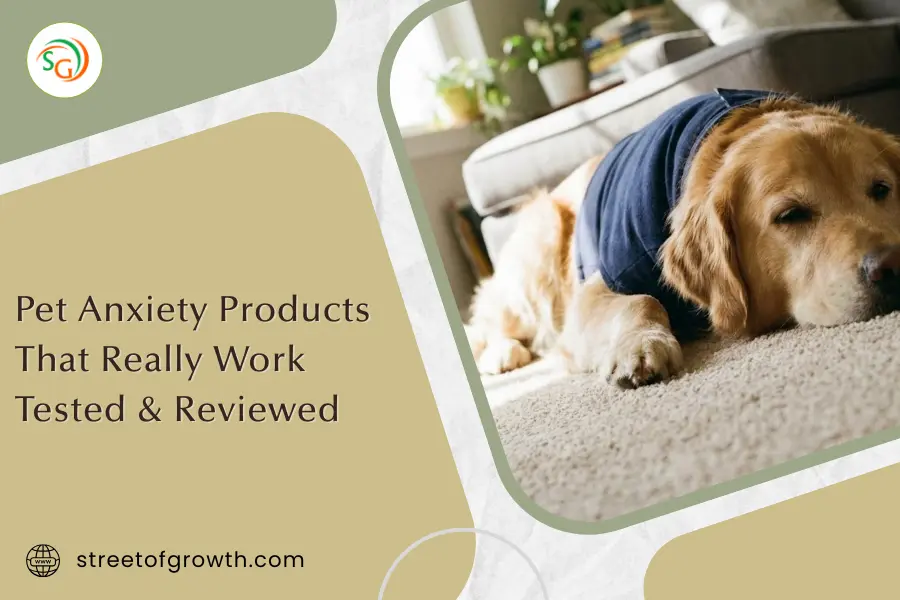
Pet Anxiety Products That Really Work – 2026 Tested & Reviewed
Look, I get it. You’re watching your dog shake during a thunderstorm, or your cat hide under the bed every time someone knocks on the door, and you feel helpless. You’ve probably already tried a few things that didn’t work, and now you’re wondering if anything actually will.
I’ve been there. And after talking to countless pet owners, vets, and animal behaviorists (plus testing way too many products myself), I can tell you this: yes, there are products that genuinely help. But here’s the thing. What works for one anxious pet might not work for another. And the stuff that gets the most hype? Sometimes it’s not even the best option.
So let me break down what actually works in 2026, based on real results, not just marketing claims.
Why Your Pet Gets Anxious (And Why It Matters)
Before we get into products, you need to understand something important. Pet anxiety comes in different forms. Your dog might freak out during fireworks but be totally fine at the vet. Your cat might love car rides but lose it when you rearrange the furniture.
Different types of anxiety need different solutions:
Separation anxiety happens when you leave. Your pet might destroy things, bark nonstop, or have accidents inside. According to research from the American Veterinary Medical Association, separation anxiety often stems from a combination of factors including your pet’s temperament, their relationship with you, and how you interact with them.
Noise anxiety is triggered by thunderstorms, fireworks, construction, or even the vacuum cleaner. The AVMA notes that even pets who aren’t usually sensitive to sounds can become extremely stressed during fireworks season.
Situational anxiety pops up during specific events like vet visits, car rides, or meeting new people.
General anxiety is that constant nervousness some pets carry around all day, every day.
Knowing what type your pet has will help you pick the right products. And honestly? Many anxious pets have more than one type going on at once.
The Products That Actually Make a Difference
Let me walk you through what’s working for pet owners right now. I’m not going to waste your time with stuff that barely helps or products that only work for 1 out of 100 pets.
Calming Supplements and Treats
These are usually the first thing people try, and for good reason. They’re easy to use, relatively affordable, and when you find the right one, they can make a real difference.
What to look for:
The best calming supplements contain ingredients that have actual science behind them. L-theanine (from green tea), chamomile, valerian root, and melatonin all have research showing they can reduce anxiety. Some newer products in 2026 are using CBD or other hemp-derived compounds, which many pet owners swear by.
My honest take:
Supplements work best for mild to moderate anxiety. If your dog just gets a little nervous during thunderstorms, a calming chew might be all you need. But if your cat is having full-blown panic attacks, you’ll probably need to combine supplements with other solutions.
The tricky part? Every pet responds differently. What calms my neighbor’s dog might do nothing for yours. You might need to try two or three brands before finding one that clicks.
Top picks for 2026:
For dogs, products with L-theanine and thiamine (Vitamin B1) are getting great reviews. For cats, Feliway pheromone-infused treats are still dominating because they work with cats’ natural calming signals.
One thing that’s changed in 2026: we’re seeing more fast-acting formulas that kick in within 30 minutes instead of needing weeks to build up in their system. That’s huge for situational anxiety.
Anxiety Wraps and Pressure Vests
You know how a tight hug can calm you down when you’re stressed? Same principle here. These wraps apply gentle, constant pressure to your pet’s body, which triggers a calming response.
How they work:
The pressure stimulates pressure points and releases calming hormones like endorphins. It’s similar to swaddling a baby. The wrap basically tells your pet’s nervous system, “Hey, everything’s okay. You’re safe.”
When they shine:
Thunder jackets and anxiety wraps work incredibly well for noise-related anxiety. I’ve seen dogs who would normally hide in the bathtub during storms stay relatively calm with a wrap on. They also help during car rides and vet visits.
The reality check:
Not every pet likes the feeling. Some dogs tolerate it great, while others try to wiggle out of it immediately. Cats can be even pickier. The good news? Most companies offer trial periods now, so you can return it if your pet hates it.
2026 update:
The newest wraps have adjustable compression zones. You can tighten certain areas more than others, which means better customization for your specific pet. Some even have pockets where you can insert cooling or warming packs.
Pheromone Diffusers and Sprays
This is one of those solutions that sounds too simple to work, but it genuinely does for many pets.
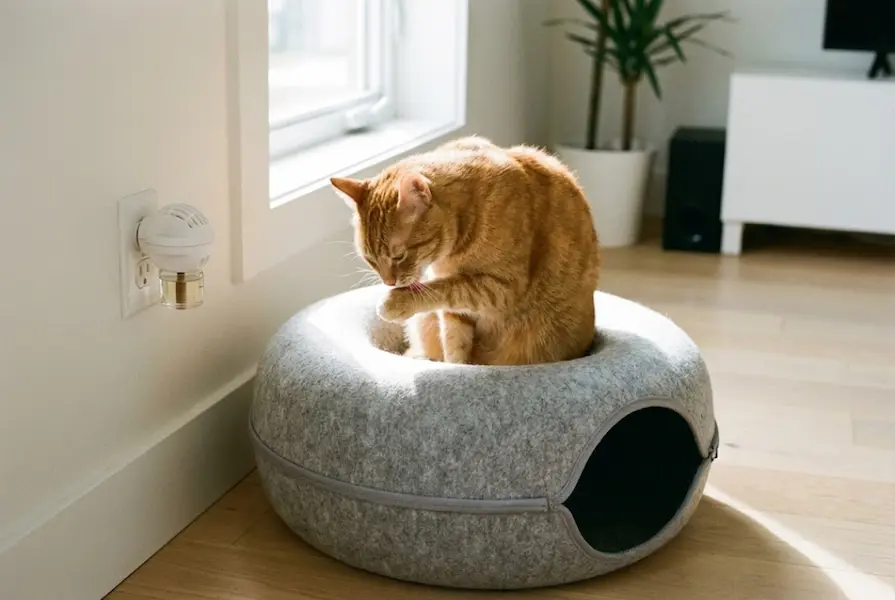
Pheromones are chemical signals that animals naturally produce to communicate. Calming pheromones mimic the ones mother dogs and cats release to comfort their babies. When your adult pet picks up these signals, they feel safer and more relaxed. Research from the University of Lincoln found that both dog and cat pheromone products significantly reduced undesirable behaviors in multi-pet households.
For dogs:
Adaptil is the big name here, and it works. You plug in a diffuser, and it releases dog-appeasing pheromones into the room. Within a week or two, many anxious dogs start chilling out.
For cats:
Feliway is the gold standard. Cats are super sensitive to environmental stress, and Feliway can make a massive difference for things like moving to a new home, introducing a new pet, or dealing with litter box issues caused by anxiety.
Best practices:
Diffusers work better than sprays for ongoing anxiety because they provide constant coverage. But sprays are great for spot-treating areas where your pet gets stressed (like their carrier before a vet visit).
One important note: these work best when combined with behavior modification. You can’t just plug in a diffuser and expect miracles if your pet’s environment is genuinely stressful.
Calming Beds and Dens
Your pet’s sleeping area matters more than you think. Anxious pets crave security, and the right bed can provide that.
What makes them different:

Calming beds typically have raised edges that create a “nest” feeling. Some are donut-shaped, others are more like caves or dens. The key is that your pet feels enclosed and protected.
Many of the 2026 versions use faux fur or shag material that mimics a mother’s fur. Others have weighted bottoms for extra security.
When to use them:
These are perfect for pets with general anxiety or separation anxiety. They create a safe zone where your pet can retreat when they’re feeling overwhelmed.
Pro tip:
Put the bed in a quiet corner away from high-traffic areas. Anxious pets need a spot where they won’t be disturbed. And don’t force them to use it. Let them discover it on their own terms.
Interactive Puzzle Toys and Lick Mats
Here’s something many people don’t realize: mental stimulation can dramatically reduce anxiety. When your pet’s brain is busy, they have less energy to spend on worrying.
How they help:
Puzzle toys and lick mats require focus and problem-solving. That mental engagement releases feel-good chemicals in their brain and tires them out in a good way.
Lick mats are especially clever for situational anxiety. Spread some peanut butter or wet food on them, and the repetitive licking action becomes meditative for your pet. It’s genuinely calming.
Best scenarios:
Use these right before a stressful event. If you know a thunderstorm is coming, give your dog a puzzle toy to work on. If your cat gets anxious during your work calls, set up a lick mat beforehand.
Smart Anxiety Monitors and Tech Solutions
This is where 2026 gets interesting. We’ve got technology now that can actually track and respond to your pet’s anxiety in real time.
What’s available:
Smart collars that monitor heart rate, activity levels, and stress indicators. When your pet’s anxiety spikes, you get an alert on your phone. Some even have calming vibrations or play soothing sounds automatically.
There are also pet cameras with two-way audio and treat dispensers. You can check on your anxious pet throughout the day and interact with them remotely.
The coolest new thing:
AI-powered calming music systems that adapt to your pet’s responses. They play music scientifically designed to reduce anxiety, and the algorithm learns what works best for your specific pet over time.
Is it worth it?
If you have moderate to severe separation anxiety issues, the monitoring aspect alone can be valuable. You’ll know what triggers your pet and when they’re most stressed. That information helps you adjust your approach.
Matching Products to Your Pet’s Specific Anxiety
Let me show you what works based on what your pet is actually dealing with.
For Thunderstorm and Firework Anxiety
Start with: An anxiety wrap or thunder jacket (put it on before the storm starts, not after they’re already panicking)
Add: Calming supplements given 30-60 minutes before the expected noise
Consider: White noise machines or anxiety-reducing music to mask the sounds
What works best: Lick mats with frozen treats to keep them distracted
For Separation Anxiety
Foundation: Calming bed or den in a secure spot
Essential: Pheromone diffuser running 24/7
Helpful: Interactive puzzle toys or treat-dispensing toys
Game-changer: Pet camera so you can check in and talk to them
Important note: Separation anxiety usually requires behavior training alongside products. The products help, but they’re not a complete fix on their own.
For Vet Visit Stress
Before leaving home: Pheromone spray in the carrier
For the drive: Calming treats given 30 minutes before departure
At the vet: Bring a familiar blanket or toy that smells like home
New option: Some vets now offer “happy visits” where your pet just comes in for treats and pets, which reduces long-term anxiety about the vet’s office
For General Daily Anxiety
Base layer: Daily calming supplement or prescription anxiety medication if needed (talk to your vet)
Environmental: Pheromone diffuser plus a calming bed
Routine: Regular exercise and mental stimulation (puzzle toys, training sessions)
Bonus: Massage or anxiety wraps during particularly stressful times of day
The Stuff That Doesn’t Work
I need to be straight with you about products that get a lot of buzz but don’t deliver.
Essential oils (especially for cats): Many are toxic to pets, and even the “safe” ones rarely make a measurable difference. Just skip them.
Ultrasonic calming devices: The science doesn’t back these up. Most pets either ignore them or find them irritating.
Generic “calming” music without research: Playing random classical music might be nice, but it’s not the same as music specifically designed for pet anxiety with proven results.
Herbal supplements without active ingredients: If the ingredient list is vague or doesn’t specify amounts, it’s probably not going to help. You need actual therapeutic doses of proven compounds.
Shock or vibration collars for anxiety: These make anxiety worse, not better. Never use punishment-based tools for an anxious pet.
How to Combine Products for Better Results
Here’s what most articles won’t tell you: combining products usually works better than using just one.
But you can’t just throw everything at the problem. You need a smart plan.
Layer 1 (Foundation): Start with either a daily calming supplement or a pheromone diffuser (or both). These create a baseline of calm.
Layer 2 (Situation-specific): Add tools for specific triggers. Anxiety wrap for storms, lick mat for car rides, etc.
Layer 3 (Environment): Make sure their physical space supports calm. Calming bed, quiet area, predictable routine.
Layer 4 (Monitoring): If needed, add tech to track what’s working and what’s not.
The rule: Introduce one new product at a time. Wait at least a week before adding another. That way, you know what’s actually helping.
What’s New and Actually Worth It in 2026
The pet anxiety market has exploded, and some of the new stuff is genuinely interesting.
Subscription calming boxes: Curated monthly deliveries of treats, toys, and calming aids tailored to your pet’s specific anxiety type. The good ones adjust based on what works.
Veterinary telemedicine for anxiety: You can now consult with veterinary behaviorists online, often getting prescription anxiety meds without an in-person visit. This is huge for pets who get traumatized by vet visits.
Wearable calming devices: Think of these as fitbits that also calm your pet. They track stress and deliver gentle vibrations or sounds when anxiety spikes.
DNA-based supplement recommendations: Some companies now offer DNA testing for pets that suggests which calming ingredients will work best based on their genetics.
Smart feeders with anxiety protocols: Feeders that dispense small amounts of food throughout the day, which reduces food-related anxiety and keeps your pet’s blood sugar stable.
The Real Talk About Costs
Let’s address the elephant in the room. Some of these products aren’t cheap.
Here’s my advice based on budget:
If money’s tight ($20-50/month): Start with calming treats and a basic anxiety wrap. Add a pheromone diffuser if you can stretch it. These give you the most bang for your buck.
Mid-range budget ($50-100/month): Add a calming bed, puzzle toys, and upgrade to better-quality supplements. Maybe invest in one piece of tech like a pet camera.
If you can invest more ($100+/month): Get the full setup: premium supplements, multiple diffusers, tech monitoring, and subscription services. Also consider working with a veterinary behaviorist.
Money-saving tip: Buy products during Black Friday, Prime Day, or other sales. Many pet anxiety products go on deep discount. Stock up then.
When Products Aren’t Enough
Sometimes, anxiety products help but don’t solve the whole problem. Here are signs you need professional help:
- Your pet is destroying property or hurting themselves
- They’re losing weight from stress
- Anxiety is getting worse despite using products
- They’re aggressive due to fear
- They can’t function normally in daily life
If any of these apply, talk to your vet about:
- Prescription anti-anxiety medication
- Referral to a board-certified veterinary behaviorist
- Full behavior modification training
Products work best alongside professional guidance for severe cases. The American College of Veterinary Behaviorists can help you find a specialist in your area if your regular vet isn’t equipped to handle complex anxiety cases.
Frequently Asked Questions
How long before I see results from calming products?
It depends on the product. Treats and wraps can work within 30 minutes to an hour. Supplements often need 1-2 weeks of daily use. Pheromone diffusers typically take 7-14 days to show full effects. If you see zero improvement after a month, that product probably isn’t the right fit for your pet.
Can I use dog anxiety products on my cat or vice versa?
No. Dogs and cats have different pheromones and different physiologies. Dog pheromone products won’t work on cats. Some supplements are species-specific too. Always check the label and use products designed for your pet’s species.
Are prescription anxiety meds better than over-the-counter products?
Not necessarily “better,” but they’re more powerful. For mild to moderate anxiety, over-the-counter products often work great. For severe anxiety, you’ll likely need prescription medication. Many pets do best with a combination: prescription meds for baseline anxiety plus OTC products for situational spikes.
My vet said my pet’s anxiety is behavioral, not medical. Do products still help?
Yes. Even when anxiety stems from learned behavior or past trauma, products can support the behavior modification process. They won’t fix the underlying cause, but they make your pet calm enough to actually learn new, healthier behaviors.
Can young puppies and kittens use anxiety products?
Most calming treats and supplements have age restrictions (usually 6-12 months minimum). Pheromone diffusers are safe for all ages. Anxiety wraps can be used on puppies and kittens, but make sure you get the right size. Always check product labels for age guidelines.
What if my pet has anxiety plus another health condition?
Talk to your vet before starting any supplement, especially if your pet takes medication or has liver, kidney, or heart issues. Some calming ingredients can interact with medications. Pheromone diffusers and anxiety wraps are generally safe for all health conditions.
Do anxiety products work immediately or do they take time?
Some work quickly (treats, wraps, sprays), while others build up over time (supplements, diffusers). For best results with long-term anxiety, start products before the stressful event. Don’t wait until your pet is already in panic mode.
My pet seems calmer, but how do I know if it’s the product or just coincidence?
Try removing the product for a week and see if anxiety returns. If it does, you know the product was helping. You can also track anxiety behaviors (like pacing, hiding, or barking) in a journal to spot patterns.
Can I make my own DIY anxiety products at home?
Honestly? Most DIY versions don’t work as well as commercial products. The pheromones in diffusers are synthetic and precise. Supplement doses need to be exact. That said, you can make frozen lick mat treats at home, and DIY calming beds work if you create that enclosed, secure feeling.
Are there breed-specific anxiety products?
Not really, but some breeds are more prone to anxiety (like German Shepherds, Border Collies, and Siamese cats). The products are the same. However, size matters for things like anxiety wraps and beds. Make sure you get the right size for your pet’s weight and body shape.
Your Action Plan: What to Do Right Now
Okay, you’ve read all this. Now what?
Here’s your step-by-step plan:
Step 1: Identify your pet’s anxiety type. Write down when they get anxious, what triggers it, and how they react.
Step 2: Pick one or two products to start with. Don’t overwhelm yourself (or your pet) by trying everything at once.
Step 3: Give it time. Most products need at least 2 weeks of consistent use to show results.
Step 4: Track what’s working. Keep notes on your phone about your pet’s behavior. You’ll start seeing patterns.
Step 5: Adjust as needed. If something isn’t helping after a month, try a different product or add a second layer to your approach.
Step 6: Celebrate small wins. If your dog makes it through a thunderstorm without completely losing it, that’s progress. If your cat comes out from under the bed 10 minutes faster than usual, that counts.
The goal isn’t perfection. It’s helping your pet feel safer and more comfortable in their world.
Final Thoughts
Look, managing pet anxiety isn’t always easy. Some days you’ll feel like you’ve figured it out, and other days your pet will surprise you with a new fear you didn’t even know existed.
But here’s what I want you to remember: you’re not alone in this. Millions of pet owners are dealing with the same challenges. And the fact that you’re here, reading this, researching solutions? That tells me you’re the kind of pet parent who doesn’t give up.
The products I’ve covered in this article have helped countless anxious pets. They might not all work for your specific situation, but at least a few of them probably will. It’s about finding the right combination for your unique pet.
Start small, be patient, and don’t be afraid to ask your vet for help when you need it.
Your anxious pet can feel better. Sometimes it just takes a little trial and error to find what clicks. But when you do? When you see your dog relax during a storm or your cat come out to greet guests instead of hiding? That moment makes all the effort worth it.
You’ve got this. And so does your pet.