

Top Paw Standard Dog Leash: Sizes, Specs and Safe Use
The Top Paw Standard Dog Leash is PetSmart’s basic 6-foot walking leash, sold in two widths, 1 inch and 5/8 inch, with silver hardware. This guide is based on the manufacturer’s published specifications and category standards rather than hands-on testing, so the details below come from PetSmart’s product listing, local leash law, and published injury research.
It is a simple product, and the main decisions are which width to pick and how to use it safely. The listing also carries a warning that is easy to miss, and it matters more than any of the specifications.
What Are the Top Paw Standard Dog Leash Specs?
Top Paw is PetSmart’s own brand, and the PetSmart product page, as of October 2026, lists the following:
- Length: 6 feet (1.82 m)
- Widths: 1 inch or 5/8 inch
- Hardware: silver-tone
- Colours: black, blue, khaki, olive, pink, purple and red
- Price: $6.99 for the 1-inch and $8.99 for the 5/8-inch in black during a sale, against a listed regular price of $14.99
- Availability: described as “Only at PetSmart”
Two details are not on the page. The listing does not state the material, so check the label in store or ask PetSmart if it matters to you. It also gives no weight limit or breaking strength, so there is no published figure for how much pull the leash or clip is rated to handle.
The sale pricing is unusual in one way: the narrower 5/8-inch leash was priced higher than the 1-inch leash at the time of writing. Prices change often, so check both widths before you choose based on cost.
Should You Choose the 1-Inch or 5/8-Inch Width?
PetSmart does not publish a dog-size chart for this leash, so the choice comes down to general principles. Width affects how the leash feels in your hand, how heavy it is on a small dog, and how much material there is to resist a hard pull.
- 5/8 inch is lighter and less bulky, which suits small and toy breeds, puppies and calm walkers. A heavy leash and clip hanging from a small dog’s collar can be uncomfortable.
- 1 inch gives a wider grip and more material, which suits medium and large dogs and dogs that pull.
Because no strength rating is published, a reasonable rule for strong pullers is to go wider, check the clip and stitching regularly, and replace the leash at the first sign of fraying or a sticky clip. The clip is usually the weak point on any standard leash, not the webbing.
Why Is a 6-Foot Leash the Standard Length?
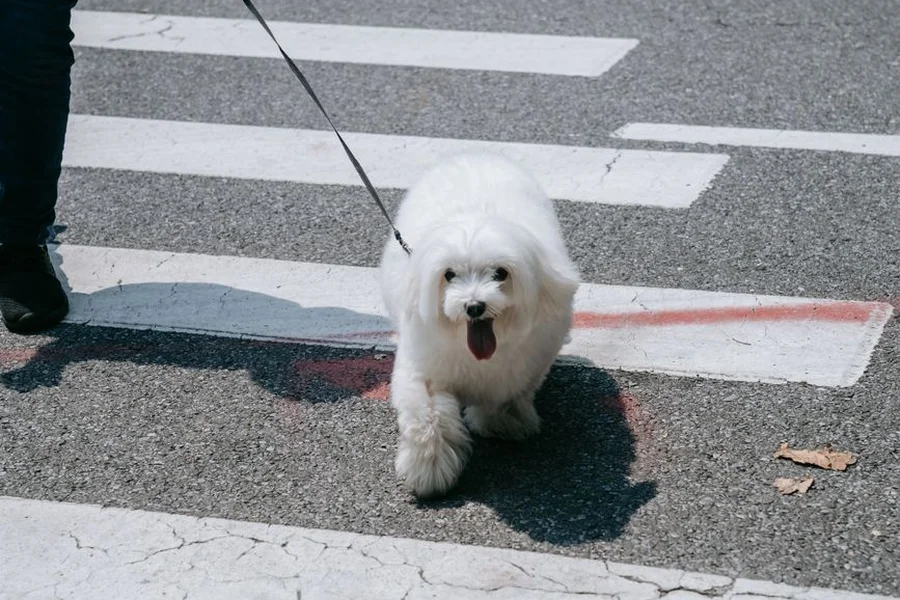
Six feet is long enough to give a dog some room to sniff and short enough to keep it under control, and it is also the legal limit in some cities. New York City’s Health Code, for example, says a dog in a public place must be “effectively restrained by a leash or other restraint not more than six feet long,” under section 161.05.
Rules vary by city and county, so check your local ordinance, but a 6-foot leash meets that common limit. That is one reason a standard leash like this one remains a sensible everyday choice compared with a retractable leash, which can extend well beyond six feet and give you less control near roads and other dogs.
What Does the “Not for Tie Out” Warning Mean?
The PetSmart listing includes this caution: “Not for tie out. Temporary restraining option to be used for a short period of time with adult supervision.” In plain terms, the leash is for walking with a person holding it. It is not designed to tether a dog to a post, tree or stake.
That matters for two reasons. A dog left tied with a walking leash can chew through it, tangle itself, or pull hard enough to break the clip when nobody is watching. And a walking leash is not built to resist constant strain or weather the way a purpose-made tie-out cable is. If you need to secure a dog outdoors, use equipment designed for that, and keep the dog supervised.
How Can You Avoid Dog-Walking Injuries?
The bigger safety risk on a walk is often to the person holding the leash. A 2023 Johns Hopkins study in Medicine & Science in Sports & Exercise estimated that 422,659 adults visited US emergency departments with injuries related to leash-dependent dog walking from 2001 to 2020. The yearly number grew more than fourfold over that period, from 7,282 to 32,306.
The study found that 55% of those injuries happened when the walker fell after being pulled or tripped by the leash. The most common single injury was a finger fracture, at 6.9%, followed by traumatic brain injury at 5.6%. Adults aged 65 and older had about twice the odds of a fracture. A companion 2024 study by the same team estimated 35,611 children aged 5 to 18 were treated for dog-walking injuries over the same 20 years.
A common mistake is wrapping the leash around your hand or fingers for a firmer grip. Given that finger fractures top the injury list, the safer habits are:
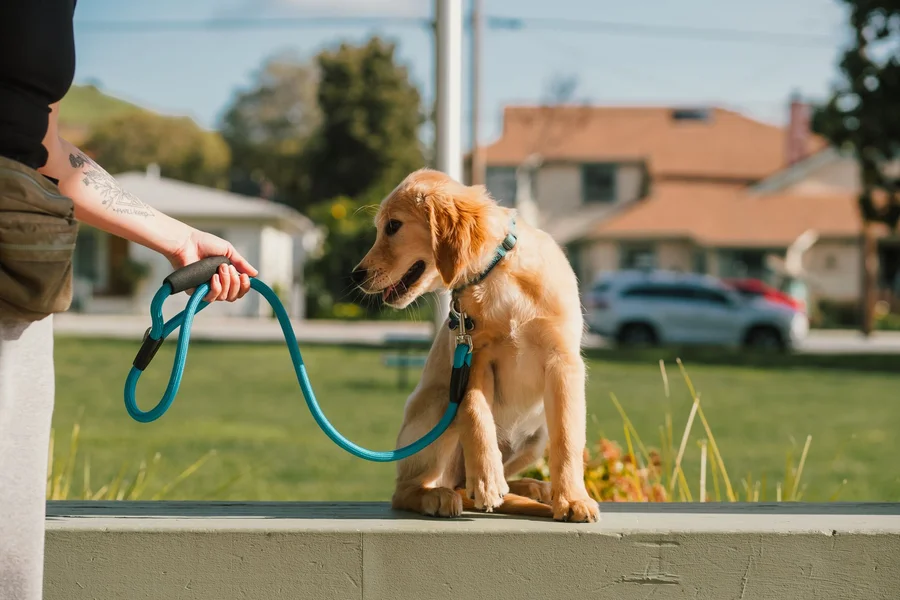
- Hold the handle loop over your palm, not wrapped around fingers or your wrist.
- Shorten the leash near roads and other dogs by gathering it in your hand rather than looping it around your fingers.
- Take extra care with who holds the leash. Older adults and children aged 5 to 11 had the highest odds of serious injury in these studies.
- Train loose-leash walking, or use a front-clip harness, for dogs that pull.
Who Is the Top Paw Standard Leash Best For?
On its published specifications, it suits owners who want an inexpensive, no-frills 6-foot leash for everyday walks and who shop at PetSmart. It is a good spare leash for the car or for a dog walker, and the colour options make it easy to tell leashes apart in a multi-dog home.
It is a weaker fit if you want a published strength rating, a padded handle, reflective stitching for night walks, or a traffic handle near the clip. If your dog gets anxious on walks, our guide to pet anxiety products that work covers calmer walking gear, and for lower-impact materials see our guide to sustainable pet products.
Frequently Asked Questions
How long is the Top Paw Standard Dog Leash?
It is 6 feet (1.82 m) long, according to PetSmart’s listing. It is sold in 1-inch and 5/8-inch widths.
What is the Top Paw standard leash made of?
The PetSmart listing does not state the material. If it matters to you, for example because of an allergy or for durability, check the label in store or ask PetSmart before buying.
Which width should I get for my dog?
PetSmart does not publish a size chart. As a general rule, the lighter 5/8-inch width suits small dogs and puppies, while the 1-inch width suits medium and large dogs and dogs that pull.
Can I use the Top Paw standard leash to tie my dog outside?
No. The listing says it is “Not for tie out” and should only be used for short periods with adult supervision. Use a purpose-made tie-out for that, and keep the dog supervised.
Is it true that a longer leash is always better for training?
No. Long lines are useful for recall training in open spaces, but for everyday walks a 6-foot leash gives better control, and some cities, including New York City, set six feet as the legal maximum in public places.
Where can you buy the Top Paw Standard Dog Leash?
Top Paw is a PetSmart brand, and the listing describes this leash as available only at PetSmart, in store and online. Copies on third-party marketplaces may be resold stock, so compare prices with PetSmart’s own listing.
Final Thoughts
The Top Paw Standard Dog Leash is a basic 6-foot leash in 1-inch or 5/8-inch widths, sold only at PetSmart and often discounted well below its $14.99 list price. Pick the width by your dog’s size and pulling strength, since no strength rating is published.
Use it for walking, not for tying your dog up, as the listing warns. And hold it by the handle rather than wrapping it around your fingers, because falls from being pulled by the leash are the leading cause of dog-walking injuries in emergency rooms.