AI Diagnostics for Auto Repair Shops: How Smart Bay Tools Work
Modern vehicles contain dozens of computers and hundreds of electronic sensors. When a vehicle enters a repair bay with a complex issue, finding the root cause can take hours of manual testing. Smart diagnostic software helps technicians quickly locate electrical and mechanical faults by comparing live sensor data against millions of recorded repair cases.
What Are AI Diagnostics for Auto Repair Shops?
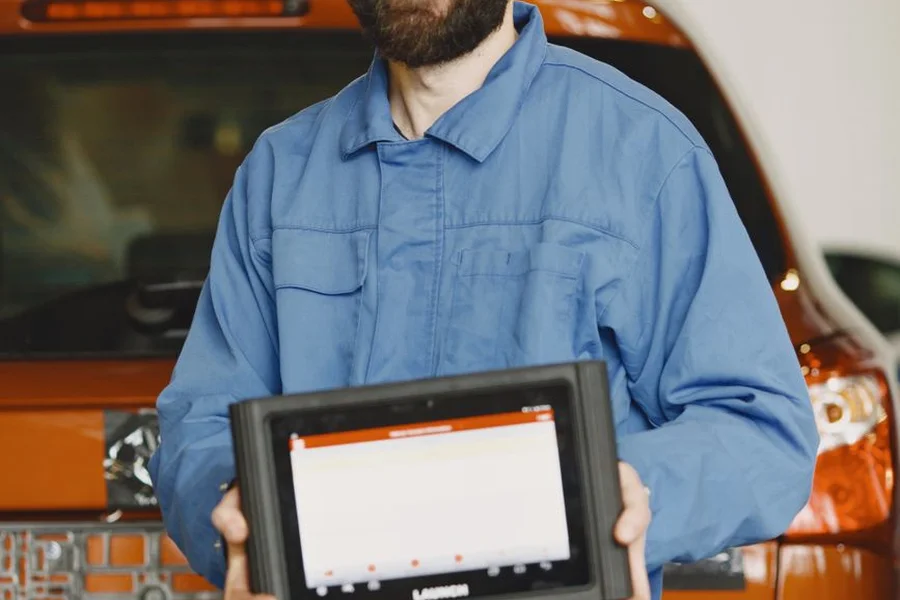
AI diagnostics for auto repair shops are software systems that analyze vehicle fault codes, sensor signals, and service histories to identify vehicle problems quickly. These digital tools connect to a vehicle through an OBD2 port and give mechanics step-by-step testing instructions based on real repair patterns.
In modern repair bays, electronic vehicle systems are complex. A single check engine light can trigger five different fault codes at once. From what we’ve seen in busy repair bays, technicians spend up to 40% of their day just chasing wiring diagrams and diagnostic trouble codes. Smart scanners read these codes and compare them against historical repair records to highlight the most likely broken parts.
According to a 2025 Statista report, auto repair shops using modern diagnostic tools save an average of 45 minutes per repair order. This time savings allows shops to inspect more vehicles each day without adding extra work bays.
How Do Smart Diagnostic Tools Work in Modern Repair Bays?
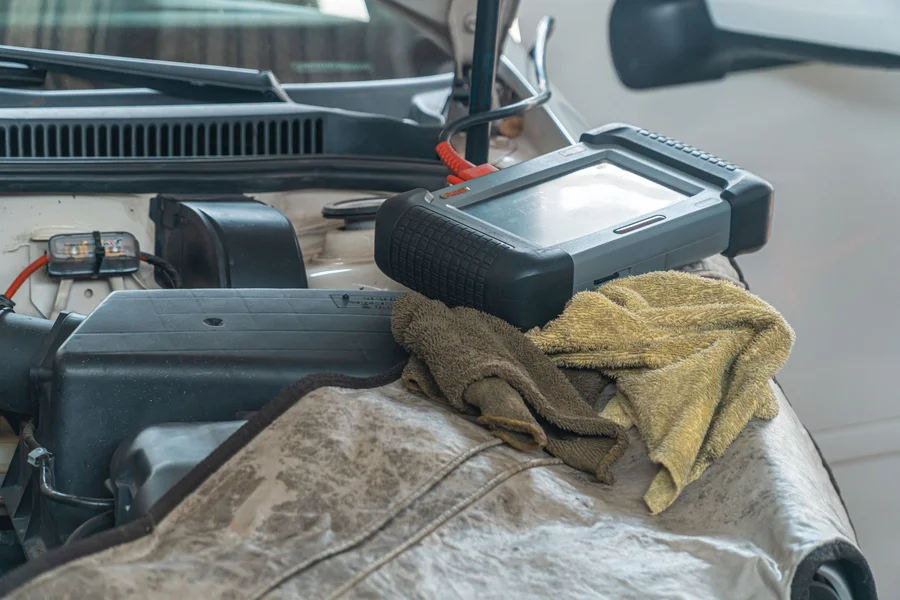
Smart diagnostic tools read live data streams from a vehicle’s onboard computer network. They match sensor readings, engine temperatures, and voltage shifts against global repair databases to spot unusual patterns.
Imagine you run a four-bay repair shop on a busy Tuesday morning. A customer brings in a 2022 crossover with an intermittent check engine light and a vague hesitation during acceleration. Instead of spending three hours swapping sensors, your technician plugs in a smart scanner, compares live sensor data against thousands of similar cases, and pinpoints a hairline intake leak in under ten minutes.
Data from the National Highway Traffic Safety Administration indicates that sensor-related vehicle faults increased by 28% between 2022 and 2024. As cars become more computerized, digital scan tools give mechanics instant access to technical service bulletins and factory repair procedures.
Why Are Auto Repair Shops Adopting AI Diagnostics for Auto Repair Shops?
Auto repair shops use smart diagnostic systems to improve repair accuracy and lower labor costs. By shortening the time spent on troubleshooting, shops increase daily revenue while fixing customer vehicles correctly on the first visit.
Finding experienced mechanics is a major challenge for shop owners today. A 2024 report by the Automotive Service Association noted that 72% of shop owners struggle to find experienced technicians. Digital diagnostic assistants help newer mechanics perform complex troubleshooting with confidence by guiding them through factory test procedures step by step.
We’ve noticed that shops relying on smart bay assistants cut diagnostic guesswork by half during peak morning rush hours. This speed allows independent repair facilities to compete directly with large dealership service centers.
Small shop managers can also connect these digital diagnostic systems with smart business automation tools to track inventory needs, order replacement parts automatically, and manage bay schedules efficiently.
How Do Digital Diagnostics Help Service Advisors Talk to Customers?
Digital diagnostic platforms create clear visual health reports that explain vehicle problems in plain language. Service advisors share these reports with car owners to show exactly why a repair is needed.
One thing most guides miss is how much time shops lose when service advisors try to explain complex fault codes to car owners. A customer who does not understand why a part failed may decline a necessary service out of fear or confusion. Digital reports include color-coded vehicle diagrams, photos of worn parts, and simple explanations that make repair decisions easy to understand.
A 2024 study by Cox Automotive found that 64% of vehicle owners approve repair recommendations faster when presented with visual diagnostic reports. This clear communication builds trust between car owners and independent mechanics.
What Are Common Mistakes When Using Smart Diagnostic Tools?
The most common mistake is trusting computer readings blindly without physically inspecting the vehicle. Diagnostic software points out sensor errors, but physical wiring damage or mechanical wear can trigger those same electrical signals.
One mistake we see shop owners make is treating smart diagnostic tools as a total replacement for hands-on mechanical testing. Relying solely on computer readouts without physically checking wire harnesses or vacuum lines often leads to replacing good parts. Instead, use digital suggestions as a starting map, then verify the physical components before ordering replacements.
We prefer using cloud-connected scanners that update sensor definitions overnight because outdated software causes misdiagnoses. Regular software updates ensure your equipment supports the newest vehicle models and safety modules.
Just as modern automatic car wash systems rely on smart sensors adapt to vehicle dimensions, auto repair tools require accurate sensor data to deliver correct results. According to Statista research data, proper diagnostic tool calibration reduces repeat repair visits by 35% across commercial auto fleets.
Frequently Asked Questions
Does a smart diagnostic scanner replace the need for skilled auto mechanics?
No, smart diagnostic scanners do not replace skilled mechanics. They act as digital assistants that gather data and suggest test paths, but physical repair work and final troubleshooting require human mechanical expertise.
What is the difference between an OBD2 code reader and a smart diagnostic tool?
A standard OBD2 reader only displays basic error code numbers. A smart diagnostic tool analyzes live sensor data, historical repair cases, and factory technical bulletins to show why the error code occurred.
Can independent auto repair shops afford digital diagnostic equipment?
Yes, independent shops can afford digital diagnostic software through monthly subscription packages. The labor hours saved on troubleshooting usually offset the software cost within the first few weeks of operation.
How long does it take for a technician to learn smart diagnostic tools?
Most technicians learn basic scan functions within a single afternoon. Modern diagnostic software features simple touchscreen menus and visual walkthroughs that make daily operation straight forward.
Do smart diagnostic tools work on all vehicle makes and models?
Most commercial diagnostic tools support domestic and imported vehicles built after 1996. Modern systems update their coverage weekly to include the newest electric vehicles and hybrid models.
Choosing the Right Bay Software for Your Auto Repair Shop
Adopting AI diagnostics for auto repair shops gives your business a clear competitive edge in today’s vehicle service market. By equipping your technicians with smart scan tools, you reduce diagnostic time, improve repair accuracy, and deliver clear visual reports that earn customer trust. Start by evaluating your shop’s daily repair bottlenecks, test a cloud-connected scanner in your bays, and watch your repair turnaround times improve.