AI Vision Systems for Vehicle Inspections: Faster, More Accurate Results
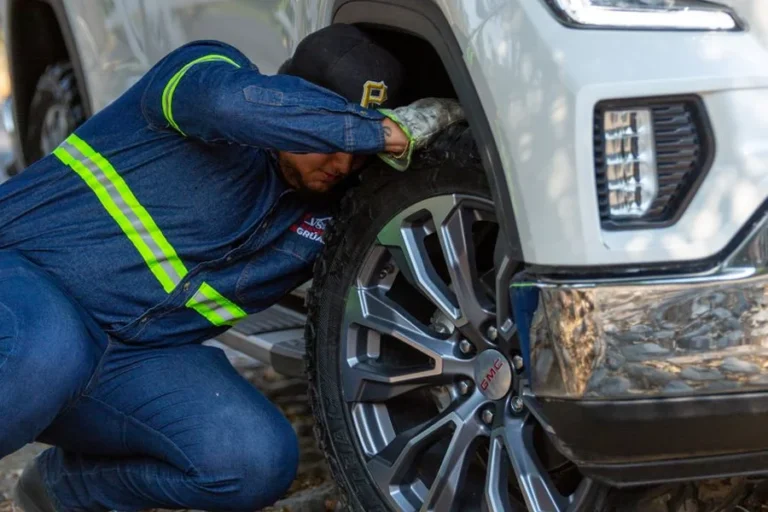
A human inspector checking a vehicle for paint damage, dents, and scratches might spend 15 to 30 minutes per car and still miss defects hidden by lighting conditions or simple fatigue after hours on the floor. AI vision systems for vehicle inspections use high-resolution cameras and computer vision software to scan an entire vehicle in seconds, catching surface flaws as small as 0.2 millimeters with accuracy rates that consistently outperform manual checks. Whether you run a body shop, manage a rental fleet, or work in auto manufacturing, these systems turn subjective visual assessments into objective, data-backed condition reports.
What Are AI Vision Systems for Vehicle Inspections?
AI vision systems for vehicle inspections are camera-based platforms that use computer vision algorithms and deep learning models to detect damage, measure defects, and document vehicle condition automatically. They replace or supplement the human eye with software that never gets tired, never rushes through a Friday afternoon shift, and produces consistent results on the first car of the day and the hundredth.
The basic setup involves one or more high-resolution cameras, which can be mounted in a fixed drive-through arch, handheld on a tablet, or integrated into an inspection bay. The vehicle is either driven past the cameras or photographed from multiple angles. The AI software processes those images in real time, identifying scratches, dents, paint chips, cracked glass, tire condition, and body panel alignment issues. It then generates a timestamped condition report with annotated photos showing exactly where each defect is located and how severe it is.
According to a 2025 industry analysis by Frost and Sullivan, the automotive AI inspection market is growing at a compound annual growth rate of 18% to 23%, driven by demand from fleet operators, rental companies, insurance providers, and manufacturers who need faster and more reliable condition assessments.
How Accurate Are AI Vision Systems Compared to Human Inspectors?
AI vision systems achieve 95% to 99% detection accuracy for surface defects, compared to 60% to 80% accuracy for experienced human inspectors working under typical shop conditions. The gap widens further when inspectors are fatigued, rushed, or working in poor lighting.
The accuracy difference comes down to consistency. A trained inspector might catch 95% of defects during their first hour on the job, but after 6 hours of crouching beside vehicles in varying light, that detection rate drops significantly. Research published by the Society of Automotive Engineers in 2024 found that human inspection accuracy fell by an average of 22% between the first and last hour of an 8-hour shift. AI systems maintain the same detection rate on their first scan and their thousandth.
From what we’ve seen in shops and fleet operations using AI inspection tools, the biggest accuracy advantage shows up with subtle damage. Hairline scratches in clear coat, slight paint color mismatches between panels, and early-stage hail damage are the types of defects that human inspectors routinely miss but AI systems flag consistently. These catches matter because they affect resale value, insurance claims, and customer disputes about pre-existing damage.
One thing most guides miss is that AI accuracy depends heavily on image quality. A system using a $200 smartphone camera in a dim garage will not perform the same as one using calibrated industrial cameras with controlled lighting. The hardware setup matters as much as the software algorithm.
Where Are AI Vision Systems Used in the Auto Industry?
AI vision systems are used across four main areas of the automotive industry: manufacturing quality control, fleet and rental vehicle management, insurance claims processing, and independent repair shop inspections. Each application solves a different version of the same problem, which is getting accurate, fast, and documented condition assessments.
Here’s how each sector uses the technology:
- Manufacturing: Inline cameras scan every vehicle coming off the assembly line, checking for paint defects, panel gaps, trim alignment, and glass imperfections. These systems process thousands of vehicles per day and flag quality issues before cars leave the factory.
- Fleet and rental operations: Drive-through inspection arches capture full vehicle condition at check-in and check-out. This creates an objective record that eliminates disputes about whether a scratch happened during the rental period or existed beforehand.
- Insurance: AI inspection tools standardize damage assessment across adjusters, reducing the subjectivity that leads to inconsistent claim valuations. Photos are automatically annotated with damage type, size, and estimated repair cost.
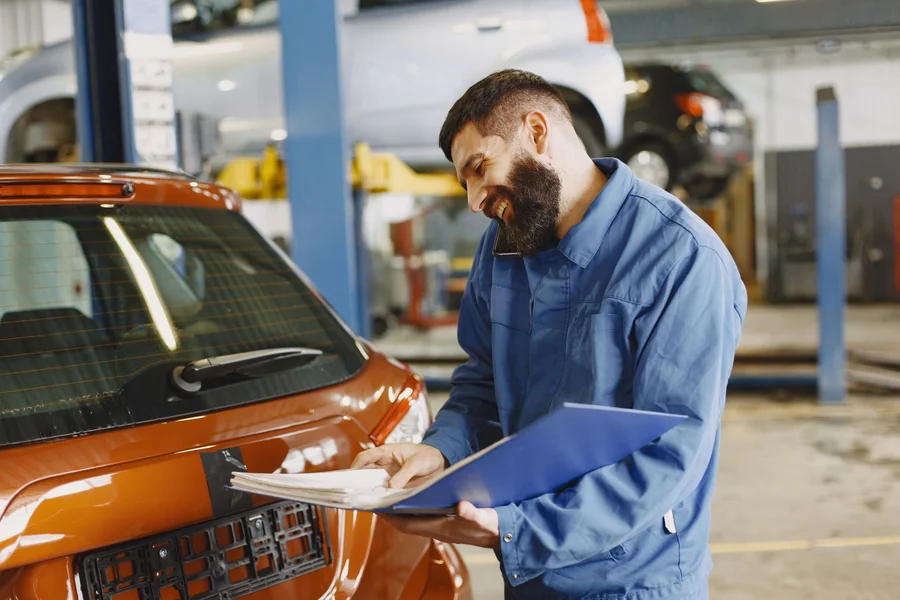
- Repair shops: Service advisors use tablet-based AI inspection at vehicle intake to document pre-existing damage before any work begins, protecting the shop from false claims that they caused the damage during service.
Repair shops that already use AI diagnostic tools for mechanical inspections can pair those with vision-based exterior scanning to offer customers a complete vehicle health report covering both mechanical and cosmetic condition in a single visit.
How Do AI Inspection Systems Work for Fleet and Rental Companies?
Fleet and rental companies use AI inspection systems by installing camera arches or gate structures at entry and exit points of their lots. Every vehicle that passes through gets automatically scanned, photographed, and compared against its previous condition record to identify new damage instantly.
The workflow is straightforward: a vehicle returns from a rental or fleet assignment and drives through the inspection gate at walking speed, typically 3 to 5 miles per hour. Multiple cameras capture the entire exterior from every angle in under 10 seconds. The AI compares these images against the vehicle’s baseline scan from when it left the lot and highlights any new scratches, dents, or damage that appeared during the trip.
This comparison eliminates the most common source of conflict in fleet and rental operations, which is disagreements about whether damage is new or pre-existing. With timestamped before-and-after scans, the evidence is objective and indisputable. A 2025 case study published by a major European rental company reported that customer damage disputes dropped by 73% within six months of implementing AI gate inspections.
We’ve noticed that fleet managers who combine visual inspection data with AI-powered tire inspection tools get the most complete picture of vehicle condition. Exterior scanning catches body damage while tire inspection AI measures tread depth and identifies wear patterns, giving the fleet team a full assessment without adding manual labor.
How Much Do AI Vehicle Inspection Systems Cost?
AI vehicle inspection systems range from $50 to $300 per month for tablet-based software solutions to $50,000 to $200,000 for full drive-through gate installations with dedicated hardware. The right investment level depends entirely on your inspection volume and business type.
For independent repair shops and small body shops, tablet-based AI inspection apps running on existing iPads or Android tablets offer the lowest entry point. These typically charge $50 to $200 per month and use the tablet’s built-in camera to scan vehicles during intake. They lack the speed and precision of dedicated hardware setups, but they’re a massive improvement over paper inspection forms and provide photo documentation that protects against liability claims.
Mid-range solutions aimed at dealerships and medium-sized fleet operators use portable camera rigs or mounted stations that cost $5,000 to $20,000 for hardware plus $200 to $500 per month for software licensing. These provide better image quality and faster processing than tablet-only setups.
Enterprise-level drive-through inspection gates used by rental companies, auction houses, and manufacturers represent the highest investment. The hardware, installation, calibration, and software licensing typically total $50,000 to $200,000, but the per-vehicle inspection cost drops below $1 when scanning hundreds or thousands of vehicles per day.
A common myth is that only large operations can justify AI inspection systems. For a body shop that inspects 10 vehicles per day, a $150 per month tablet solution costs about $0.50 per inspection. If it prevents just one fraudulent damage claim per quarter worth $500 to $2,000, the return on investment is clear within the first month.
What Mistakes Do Shops Make When Implementing AI Inspection Systems?
The most common mistake is installing the cameras or deploying the app without controlling the inspection environment. AI vision systems need consistent lighting and clean camera angles to maintain their accuracy ratings, and shops that ignore these basics get unreliable results that erode staff trust in the technology.
One mistake we see shops make is treating the AI inspection report as a replacement for technician judgment. AI vision systems excel at detecting and documenting surface-level damage, but they cannot assess structural damage behind body panels, evaluate paint thickness to determine whether a panel has been repainted, or judge whether a cosmetic defect affects vehicle safety. The inspection report should inform the technician’s assessment, not replace it. Shops that train their service advisors to use AI reports as conversation starters with customers, showing documented evidence while explaining what it means, get much better results than shops that just email the raw report.
Another pitfall is never updating the AI model. Like any software, computer vision models need periodic updates to handle new vehicle designs, colors, and materials. A model trained primarily on sedans might struggle with the complex body lines of newer crossover designs or the matte paint finishes that have become popular. We prefer platforms that offer continuous learning, where the system improves its detection accuracy over time based on corrections and new training data from your specific inspection environment.
According to National Highway Traffic Safety Administration guidelines, vehicle inspection standards vary by state, and AI vision systems should complement but not replace any legally required manual safety inspections. Always verify that your AI inspection workflow meets your state’s specific compliance requirements.
How Will AI Vision Inspections Evolve in the Next Few Years?
AI vision inspections are moving toward fully automated condition tracking where every vehicle generates a living digital record of its cosmetic and structural condition that updates every time the car is scanned, parked, or serviced. This continuous monitoring model replaces the current snapshot approach where inspections happen only at specific checkpoints.
Several trends are driving this evolution. First, cameras are becoming standard equipment on the vehicles themselves. Modern cars with surround-view parking cameras already have the hardware needed for self-inspection. AI platforms are beginning to use these built-in cameras to run condition scans while the vehicle is parked, eliminating the need for external inspection hardware entirely.
Second, digital twin technology is connecting inspection data to complete vehicle lifecycle management. Every scratch, repair, and paint job gets recorded in a digital model of the vehicle that follows it from factory to first owner to resale to fleet use. Buyers, insurers, and fleet managers can access this verified history to make informed decisions. For EV fleet operators who already track battery health through AI diagnostics, adding exterior condition monitoring creates a comprehensive vehicle intelligence platform covering every major value driver.
After testing several emerging platforms, we’ve found that the most promising developments combine 3D reconstruction with AI damage assessment. Instead of analyzing flat photographs, these systems build a three-dimensional model of the vehicle surface, allowing damage measurements in actual millimeters rather than pixel estimates. This level of precision is already being used in insurance and remarketing, and it will likely become standard for repair shop estimates within the next 2 to 3 years.
Frequently Asked Questions
Can AI vision systems detect damage under a vehicle’s paint surface?
No. Current AI vision systems detect surface-visible damage including scratches, dents, paint chips, and cracks. They cannot see structural damage beneath body panels or identify repainted panels. Subsurface assessment still requires paint thickness gauges and hands-on inspection by a trained technician.
What is the difference between AI vision inspection and a traditional photo inspection?
A traditional photo inspection creates a visual record but requires a human to review each image and identify damage. AI vision inspection automatically detects, classifies, measures, and annotates damage in every image without human review. It also compares current scans against previous baseline images to identify new damage automatically.
Do AI inspection systems work in outdoor lighting conditions?
They can, but accuracy drops compared to controlled indoor lighting. Direct sunlight creates glare and shadows that interfere with damage detection. For best results, use covered or indoor inspection areas with consistent artificial lighting. Portable LED panel setups costing $200 to $500 can significantly improve outdoor accuracy.
How fast can an AI vision system inspect a full vehicle?
Drive-through gate systems inspect a full vehicle exterior in 8 to 15 seconds. Tablet-based systems where a technician walks around the vehicle take 2 to 5 minutes. Both are significantly faster than manual inspections, which typically take 15 to 30 minutes per vehicle.
Is it true that AI vision systems require expensive specialized cameras?
Not always. Entry-level tablet-based systems use standard smartphone or tablet cameras effectively. However, dedicated inspection stations with industrial cameras and structured lighting provide higher accuracy and faster processing. The right hardware depends on your inspection volume and the level of precision your business requires.
Can AI inspection reports be used as evidence in insurance claims?
Yes. Many insurance companies already accept AI-generated inspection reports as supporting evidence for claims. The timestamped, annotated photographs with damage measurements provide more objective and detailed documentation than handwritten inspection forms. Check with your specific insurance partners to confirm their acceptance policies.
See Every Defect Your Eyes Would Miss
AI vision systems for vehicle inspections bring consistency, speed, and documentation quality that manual processes simply cannot match. Whether you need to protect your body shop from false damage claims, manage condition tracking across a 500-vehicle rental fleet, or catch paint defects before cars leave your factory, camera-based AI inspection turns subjective visual checks into objective, verifiable data. Start with the solution that matches your volume, control your lighting environment, and let the accuracy improvements and time savings build the case for expanding from there.