
AI Diagnostics for Refrigerator Repair: Find the Problem Before Your Food Spoils
Your refrigerator stops cooling at 2 AM and you wake up to warm milk and defrosting meat. By the time a technician arrives, you’ve already lost $200 to $400 worth of groceries. AI diagnostics for refrigerator repair catches failing components days or weeks before they cause a total breakdown, giving you time to schedule a repair on your terms instead of dealing with an emergency and a trash bag full of spoiled food.
What Are AI Diagnostics for Refrigerator Repair?
AI diagnostics for refrigerator repair are software tools that analyze sensor data, error codes, and operating patterns from your refrigerator to identify what’s wrong, predict what’s about to fail, and guide technicians to the correct fix on their first visit.
Modern refrigerators, even mid-range models, contain multiple sensors that continuously monitor compressor performance, evaporator temperature, defrost cycle timing, door seal integrity, and fan motor operation. A standard refrigerator control board uses this data to maintain temperature, but it operates on simple threshold logic. If the temperature rises above a set point, it turns the compressor on. If a sensor fails completely, it throws an error code.
AI diagnostic tools go much further. They analyze trends in that same sensor data over time, comparing your refrigerator’s performance against known failure patterns from thousands of similar units. When the compressor starts cycling 15% more frequently than normal or the defrost heater runs 3 minutes longer than its baseline, the AI flags these changes as early indicators of specific component failures, often weeks before the refrigerator actually stops working.
Refrigerators generate a disproportionate share of urgent service calls for a reason no other appliance shares: a failure has a deadline attached to it. A broken dishwasher is an inconvenience; a broken fridge starts spoiling food within hours. We could not verify any industry body publishing a ranked count of emergency call volume by appliance, so treat claims of that kind with suspicion. AI diagnostics aim to convert those emergencies into scheduled maintenance visits.
How Does AI Diagnose Refrigerator Problems That Technicians Might Miss?
AI diagnoses refrigerator problems by correlating multiple data points simultaneously, identifying patterns that connect seemingly unrelated symptoms into a single root cause that a technician examining individual components separately might overlook.
Here’s an example that shows the difference. A refrigerator is running but not cooling well. A technician checks the compressor and it’s working. The condenser coils are clean. The evaporator fan spins. Each individual component passes a basic check. The technician might replace the thermostat as a best guess and leave, only for the customer to call back three days later with the same problem.
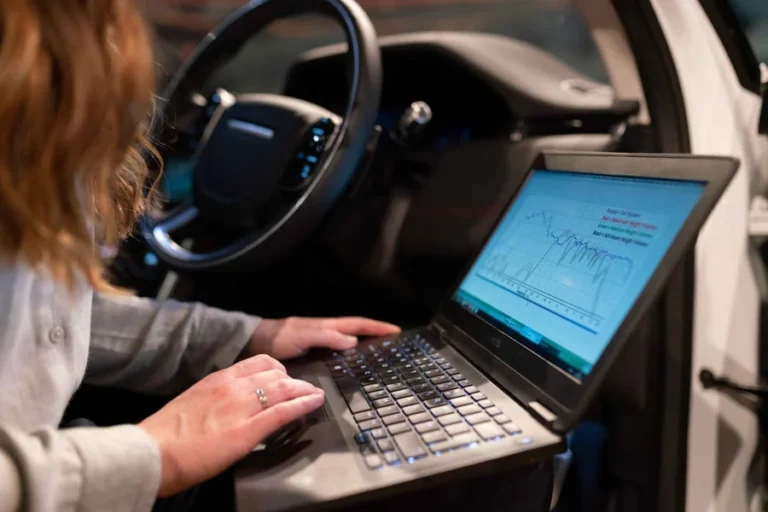
An AI diagnostic tool analyzing the same refrigerator would notice that the compressor is running 22% longer per cycle than baseline, the evaporator temperature is dropping 4 degrees slower than normal after each defrost cycle, and the condenser fan motor draws slightly more current than expected. Individually, none of these readings trigger an alarm. But together, they point to a partially restricted refrigerant line, a problem that causes gradual performance loss without tripping any single error code. The AI identifies the root cause and tells the technician exactly what to investigate.
From what we’ve seen with appliance repair companies using AI triage tools, the biggest value is improving first-call resolution rates. Industry data shows that traditional refrigerator repairs require a second visit about 25% to 30% of the time, usually because the technician diagnosed the wrong component or arrived without the correct replacement part. Suppliers of pre-visit diagnostic platforms claim the callback rate drops to under 10%. We could not find an independent measurement, so the direction is more reliable than the number.

Can Smart Refrigerators Diagnose Their Own Problems?
Yes, many smart refrigerators from brands like Samsung, LG, and GE now include built-in self-diagnostic features that detect component failures and send alerts to your phone through a companion app. However, these built-in systems are limited compared to dedicated AI diagnostic platforms.
Smart refrigerator self-diagnostics work by running automated tests on internal components when you trigger a diagnostic mode through the control panel or app. Samsung’s SmartThings app can identify about 30 common error codes and provide basic troubleshooting steps. LG’s ThinQ app runs similar checks and can even transmit diagnostic data directly to a service center through a WiFi connection.
The limitation is that these built-in systems only catch problems that have already triggered an error code. They work on the same threshold logic as a standard control board, just with a friendlier user interface. They don’t analyze long-term trends or predict failures before symptoms appear. A compressor that’s gradually losing efficiency won’t trigger a Samsung error code until it fails to maintain temperature by a significant margin, which is usually the point where food spoilage has already started.
Dedicated AI diagnostic platforms fill this gap by connecting to the refrigerator’s data stream, either through IoT connectivity or a technician’s diagnostic port, and applying machine learning models that detect subtle degradation patterns months before they become critical failures. Think of built-in diagnostics as a check engine light and AI platforms as a full predictive health monitoring system.
How Do Appliance Repair Companies Use AI Diagnostics?
Appliance repair companies use AI diagnostic platforms to triage service calls remotely, identify the most likely failing component before dispatching a technician, and ensure the right replacement parts are loaded on the service truck before the visit begins.
The workflow typically starts when a customer calls or submits a service request online. Instead of just scheduling a generic visit, the AI triage system asks targeted questions or processes data from the refrigerator’s error codes and symptoms. For smart refrigerators, the system can pull diagnostic data directly from the appliance’s cloud connection. For older models, the customer provides the model number and describes the symptoms.
The AI cross-references the reported symptoms against a database of known failure patterns for that specific make and model. It generates a probability-ranked list of likely causes. For example: “85% probability of failed evaporator fan motor, 10% probability of defrost timer malfunction, 5% probability of control board issue.” The dispatcher uses this information to assign a technician with the right skillset and ensure the most likely replacement parts are on the truck.
We’ve noticed that repair companies using AI triage see measurable improvements in three areas. First, first-call resolution rates jump from 70% to above 90%. Second, average repair time drops by 15 to 25 minutes because the technician arrives with a clear diagnostic direction instead of starting from scratch. Third, customer satisfaction scores increase because the problem gets fixed faster and with fewer repeat visits.
Repair businesses that already use AI chatbots for customer intake can connect those chatbots directly to the diagnostic triage system. The chatbot collects the model number, error codes, and symptoms from the customer, feeds that data into the AI diagnostic engine, and books the appointment with the correct parts already flagged for the technician, all without a human dispatcher touching the ticket.

What Are the Most Common Refrigerator Problems AI Can Detect Early?
AI diagnostic systems are most effective at catching five categories of refrigerator failures early: compressor degradation, defrost system malfunctions, fan motor failures, sealed system refrigerant leaks, and control board issues. These five categories account for over 80% of all refrigerator repair calls.
- Compressor degradation: AI tracks compressor run time, start frequency, and current draw. When the compressor starts cycling more frequently or drawing higher startup current, the system flags it as early-stage failure weeks before the compressor stops working entirely.
- Defrost system problems: AI monitors defrost heater activation timing, duration, and the temperature recovery rate after each cycle. Shortened or extended defrost cycles indicate heater element degradation or defrost timer issues that lead to ice buildup on the evaporator coils.
- Fan motor failures: Both condenser and evaporator fan motors show predictable failure patterns through increased current draw and speed variations. AI detects these changes in the motor’s electrical signature before the fan stops spinning.
- Refrigerant leaks: Slow leaks in the sealed system cause gradual cooling performance loss. AI tracks the relationship between compressor run time and achieved temperature to identify when the system is working harder for less cooling output, which is the signature pattern of a slow refrigerant leak.
- Control board issues: Electronic control boards can develop intermittent failures that cause erratic behavior like random temperature swings or sensor misreadings. AI identifies these patterns by comparing actual component behavior against what the control board is commanding.
One thing most guides miss is that AI diagnostics are especially valuable for intermittent problems, the kind where the refrigerator works fine when the technician arrives but acts up again after they leave. Because the AI continuously monitors performance data, it captures these intermittent events and their patterns even when the symptoms aren’t actively present during the service visit.
How Much Do AI Diagnostic Tools Cost for Refrigerator Repair?
For homeowners, smart refrigerator diagnostic apps are typically free with the appliance purchase. For repair technicians and service companies, AI diagnostic platforms range from $30 to $150 per month per technician depending on features and database access.
Homeowner-facing tools like Samsung SmartThings, LG ThinQ, and GE SmartHQ come pre-installed or as free app downloads. They provide basic error code interpretation and troubleshooting guides at no additional cost. Third-party AI diagnostic services that offer deeper analysis and technician matching typically charge $10 to $30 per diagnostic session for individual consumers.
For professional repair companies, subscription-based AI platforms provide access to manufacturer diagnostic databases, AI-powered triage engines, and parts identification tools. These platforms generally charge $30 to $80 per month for solo technicians and $100 to $150 per month for multi-technician operations with dispatching integration.
A common myth is that AI diagnostics are only cost-effective for high-end refrigerators. The math actually favors using these tools on any refrigerator repair. The average service call costs $150 to $300 for diagnosis and repair. If AI triage prevents just one unnecessary callback per week by improving first-call resolution, a repair company with 5 technicians saves $3,000 to $6,000 per month in wasted labor and fuel. The $500 monthly software subscription pays for itself many times over.
Service companies looking to connect their diagnostic workflow with broader business automation can integrate AI triage with AI-powered business management platforms that handle scheduling, invoicing, and customer follow-ups from one connected system. And for HVAC companies that also service refrigeration equipment, the same predictive maintenance approach used for HVAC systems applies directly to commercial and residential refrigerators.
What Mistakes Do Homeowners Make with Refrigerator Diagnostics?
The most common mistake is ignoring early warning signs like unusual noises, slight temperature increases, or ice buildup and waiting until the refrigerator stops working completely before calling for service. By that point, food spoilage has already occurred and the repair may be more complex and expensive.
One mistake we see homeowners make is relying on online symptom checkers powered by generic AI chatbots rather than tools trained specifically on appliance repair data. A general-purpose chatbot might tell you that a warm refrigerator means the compressor is bad, which could lead you to approve an $800 compressor replacement when the actual problem was a $15 condenser fan motor. Always use diagnostic tools designed specifically for appliance repair, or at minimum, verify any AI recommendation with a qualified technician before approving expensive repairs.
Another pitfall is disconnecting a smart refrigerator from WiFi to save bandwidth or because of privacy concerns. When your smart fridge is offline, it cannot send diagnostic alerts, log performance data, or transmit error codes to the manufacturer’s service platform. This means you lose the early warning capability that is one of the primary benefits of owning a connected appliance. If privacy is a concern, review the manufacturer’s data policy, but keeping the diagnostic connection active is worth the trade-off for most homeowners.
According to the U.S. Department of Energy, a properly maintained refrigerator should last 12 to 18 years. AI diagnostics help you reach the upper end of that range by catching component degradation early enough for affordable repairs rather than waiting for cascading failures that make replacement more economical than repair.
Catching it earlier is better still, which is the whole case made in predictive maintenance for smart appliances. Washers hit the same wall from a different direction in what AI can and cannot fix on a washing machine.
Frequently Asked Questions
Can AI diagnose refrigerator problems without a smart refrigerator?
Yes. Technician-facing AI platforms work with any refrigerator by analyzing model-specific error codes, reported symptoms, and historical failure data for that make and model. Smart connectivity adds real-time sensor data, but AI diagnostics are valuable even for older, non-connected units when a technician inputs the available information.
What is the difference between a refrigerator error code and an AI diagnosis?
An error code tells you which sensor or component triggered an alarm, like “evaporator fan motor fault.” An AI diagnosis analyzes multiple data points to identify the root cause, which might reveal that the fan motor fault was actually caused by ice buildup from a failing defrost heater. Error codes describe symptoms while AI diagnostics identify causes.
How accurate are AI diagnostic tools for refrigerator repair?
Professional AI diagnostic platforms achieve 85% to 92% accuracy in predicting the correct failing component on the first assessment. This accuracy improves over time as the system processes more repair outcomes and refines its failure pattern models for specific refrigerator makes and models.
Is it worth paying for an AI diagnostic service before calling a repair technician?
For refrigerators out of warranty, a $10 to $30 AI diagnostic session can save you hundreds of dollars by helping you understand the likely problem before a technician arrives. This knowledge prevents you from being upsold on unnecessary repairs and helps you verify whether a quoted repair price is reasonable for the actual issue.
Can AI diagnostics tell me whether to repair or replace my refrigerator?
Some AI platforms provide repair-versus-replace recommendations based on the diagnosed problem, the age of the unit, estimated repair cost, and the refrigerator’s current market value. The general industry guideline is that if a repair costs more than 50% of the replacement price and the unit is over 8 years old, replacement is usually more economical.
Do AI diagnostics work for commercial refrigeration equipment?
Yes. AI diagnostics are actually more established in commercial refrigeration because the cost of a breakdown is much higher. Commercial units in restaurants and grocery stores often have continuous IoT monitoring that feeds AI platforms for real-time predictive maintenance, preventing the food spoilage and health code violations that a breakdown would cause.
Catch the Problem Before You Lose the Groceries
AI diagnostics for refrigerator repair shifts the entire repair experience from reactive emergency calls to planned maintenance visits. Whether you own a smart refrigerator that monitors itself or rely on a technician who uses AI triage tools, the result is the same: problems get identified earlier, repairs happen faster, and you stop throwing away groceries because nobody caught a failing compressor in time. Check your refrigerator’s built-in diagnostic features if it has them, and when you do need a repair, choose a service company that uses AI-powered triage to get the fix right on the first visit.