Virtual Staging AI for Real Estate Photos: The Rules
Virtual staging AI for real estate photos drops furniture into an empty room in under a minute for a couple of dollars, against the thousands physical staging costs. The output is often good enough that buyers cannot tell. That last part is exactly why the disclosure rules matter more than the software comparison.
Below you will find what these tools do well, what staging is really worth according to NAR’s own research, a widely repeated claim about the Code of Ethics that turns out to be false, and the line between helping a buyer visualize and misrepresenting a property.
What Is Virtual Staging AI for Real Estate Photos?
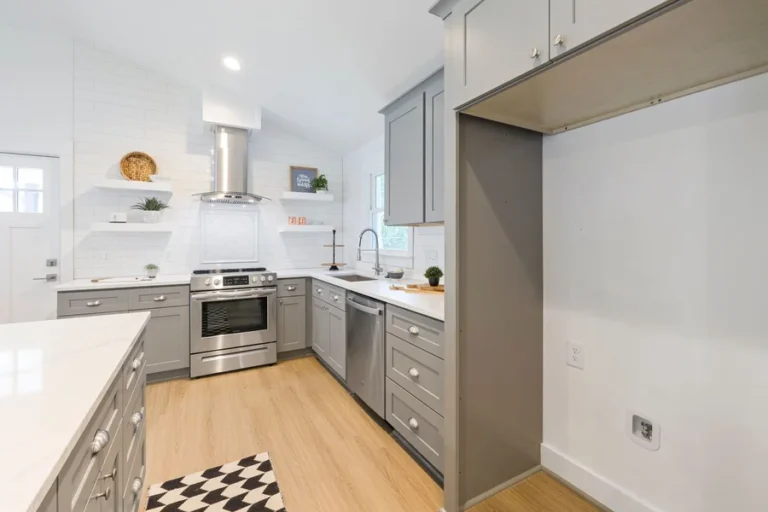
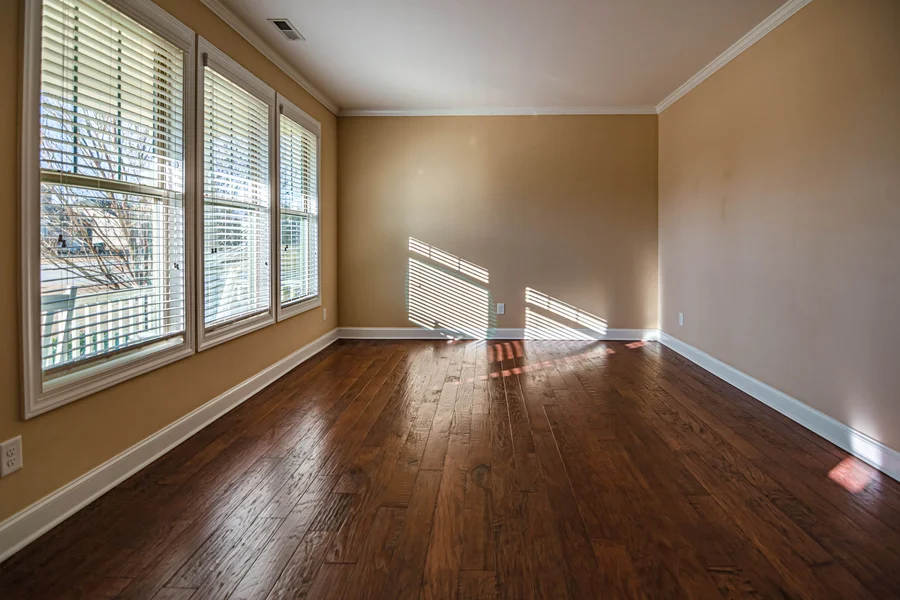
Virtual staging AI for real estate photos is software that adds furniture, rugs, art, and decor to a photograph of an empty or dated room. The room stays exactly as photographed. Only the contents change.
Two categories exist and they price very differently. AI-only platforms generate the staging automatically from your photo, typically running from well under a dollar to a couple of dollars per image on a subscription. Human-edited services use designers working with software, with published rates in 2026 commonly falling somewhere between roughly $16 and $37 per photo depending on provider and volume.
Set that against physical staging, which involves renting real furniture for a real house, and the gap is enormous. Staging a home physically commonly runs into the thousands of dollars, while a full listing’s worth of virtually staged photos lands in the low hundreds with human editors, or a few dollars with an AI subscription.
Is Staging Even Worth Doing?
According to the people selling the houses, yes, mainly for visualization rather than price. The trade association’s own research is the best source here, since staging companies have an obvious interest in the answer.
The National Association of REALTORS® 2025 Profile of Home Staging found that 83% of buyers’ agents said staging made it easier for a buyer to envision the property as their future home. On money, the effect was real but more modest: 29% of agents reported staged homes drew offers 1% to 10% higher in dollar value. On speed, 49% of sellers’ agents observed staging reduced time on market, split between 30% seeing a slight decrease and 19% seeing a significant one. NAR published the figures in its report on staging, sale prices, and time on market.
Read those numbers carefully, because the marketing around this category tends to round them up. The overwhelming agreement is on visualization. The price effect showed up for under a third of agents. Staging helps a buyer picture living somewhere, and that is genuinely valuable, but it is not a reliable lever on sale price.
From what we’ve seen, virtual staging earns its keep hardest on vacant listings and on rooms whose purpose is unclear from a photo. An empty bonus room reads as wasted square footage until furniture tells a buyer what it is for.
What Does the NAR Code of Ethics Really Say?
Less specifically than most articles on this topic claim, and the difference matters if you are relying on it.
A claim circulates widely across virtual staging websites that Article 12, Standard of Practice 12-7 requires that “all photographs, images, and videos must accurately depict the property” and that digital alterations must be disclosed. We checked this against the Code itself. It is not accurate. Standard of Practice 12-7 addresses something else entirely: only REALTORS® who participated in a transaction as listing or cooperating broker may claim to have “sold” a property.
What the Code does say is broader. Article 12 reads: “REALTORS® shall be honest and truthful in their real estate communications and shall present a true picture in their advertising, marketing, and other representations.” Separately, Standard of Practice 12-10 prohibits a set of deceptive online practices that includes using misleading images. Both appear in NAR’s 2026 Code of Ethics and Standards of Practice.
The upshot for your listings is unchanged and arguably stronger: there is no virtual-staging-specific carve-out to hide behind. The obligation flows from a general duty to present a true picture, which is harder to lawyer around than a narrow procedural rule would be. One thing most guides miss is that the enforceable disclosure requirements largely come from your individual MLS and your state’s advertising regulations, not from a single national rule, which is why they vary and why you have to check yours.
Where Is the Line Between Staging and Misrepresenting?
Add furniture, do not subtract problems. That single sentence covers most of the judgment calls.
Adding a sofa, a bed, a rug, or wall art helps a buyer understand scale and purpose, and it changes nothing about the property itself. Removing a water stain, editing out a power line through the window, digitally repainting a cracked wall, or widening a room alters what a buyer believes they are buying. The first is presentation. The second misrepresents a material fact, and general truthful-advertising duties under both NAR’s Article 12 and the Federal Trade Commission’s advertising and marketing guidance apply regardless of what tool produced the image.
A common mistake worth avoiding: letting an AI tool clean up the room on its own without checking what it removed. These models are trained to produce attractive interiors, and some will quietly smooth a damaged floor or drop a cluttered radiator out of frame while placing your furniture. Compare every generated image against the original at full size before it goes anywhere near a listing. The agent is responsible for what appears in the advertisement, not the vendor.
After looking at how listings get flagged, we prefer labeling every staged photo rather than only the obvious ones. A visible “Virtually Staged” label in a consistent corner costs nothing in buyer interest, and a listing where some photos are labeled and others are not invites exactly the question you do not want asked at a showing.

Where Do These Tools Fall Short?
On geometry, on lighting, and on rooms that are not empty. Each failure mode produces a specific kind of bad image.
Sellers upgrading a home before listing may want our smart home automation budget setup guide for changes that photograph well and function afterward. Perspective errors are the most common giveaway. AI-placed furniture that does not sit correctly on the floor plane, a rug that runs uphill, or a chair whose legs vanish into the baseboard all read as fake immediately. Lighting mismatches come second, where a sunlit room gets furniture lit from the wrong direction, and shadows either point the wrong way or do not exist at all.
Occupied rooms are the hardest case. Removing a seller’s existing furniture and replacing it is far more work than filling an empty space, and AI tools handle it inconsistently. If a room is furnished and cluttered, the honest and usually cheaper fix is asking the seller to declutter and reshooting.
We’ve noticed that scale errors survive review more often than any other flaw, because reviewers look at whether the image is attractive rather than whether the furniture is the right size. A king bed rendered slightly small makes a bedroom look larger than it is, which is precisely the kind of distortion that creates a disappointed buyer at the showing and a complaint afterward.
Sellers weighing what else moves the needle may find our piece on smart home features that increase property value a useful companion to the photography question.
How Should You Use It on a Real Listing?
Shoot well first, stage second, label always. Virtual staging amplifies whatever photograph you feed it, including the flaws.
- Start with properly shot photos. Straight verticals, even lighting, no wide-angle distortion. A warped original produces a warped staged image.
- Check your MLS rules before the first upload. Disclosure format, watermark placement, and wording requirements vary by board.
- Stage the rooms that need explaining. Living room, primary bedroom, and any space whose purpose is ambiguous. NAR’s research found living rooms and primary bedrooms are the most commonly staged.
- Compare every output against the original. Confirm nothing was removed, repaired, or resized.
- Label every altered image visibly. Consistent corner, readable text, applied to all digitally staged photos rather than some.
- Keep the unstaged originals. Provide them on request and retain them in your file, since they are your evidence if anyone questions the listing later.
In practice, this looks like an extra fifteen minutes per listing and a set of photos nobody can accuse you of anything over. Agents working remote or relocating buyers may also want our look at the best cities for remote workers to buy a home, since those buyers rely on photos more heavily than local ones.
Homeowners use the same rendering for their own rooms rather than a listing, which interior design apps for beginners covers.
Frequently Asked Questions
Is virtual staging legal?
Yes, when disclosed and when it does not misrepresent the property. Adding furniture to an accurate photo is presentation; removing defects or altering dimensions is a different matter and can run into truthful-advertising obligations. Disclosure requirements themselves usually come from your MLS and state rules rather than one national standard.
Do I have to disclose that a photo is virtually staged?
In practice, almost always, and you should assume yes. Most MLS boards require a clear label on digitally altered photos, and NAR’s Article 12 requires presenting a true picture in marketing. Check your specific MLS for the exact wording and watermark format it expects.
What is the difference between AI virtual staging and a human staging service?
AI tools generate furniture placement automatically in seconds for a few dollars or less per image. Human-edited services use designers and typically publish rates in the tens of dollars per photo. The tradeoff is consistency: humans catch perspective and lighting errors that AI output frequently contains.
Can I virtually remove the seller’s furniture?
Some tools offer it, and it is harder to do convincingly than filling an empty room. It also increases the chance of accidentally editing out something material along with the sofa. Asking the seller to declutter and reshooting is usually cheaper and always safer.
Does virtual staging really help a home sell?
NAR’s 2025 research found 83% of buyers’ agents said staging helped buyers envision the property as their future home, and 49% of sellers’ agents saw reduced time on market. The price effect was narrower, with 29% of agents reporting offers 1% to 10% higher. Treat it as a visualization tool rather than a price lever.
What can never be edited in a listing photo?
Anything that changes what a buyer would understand about the property’s condition or size. That covers damage, stains, cracks, room dimensions, views out the window, and permanent fixtures. If an edit would surprise a buyer standing in the room, it should not be in the photo.
Should I keep the original unstaged photos?
Yes, and provide them when asked. Many buyers want to see the empty room alongside the staged version, and keeping originals in your file is straightforward evidence that the staging added furniture rather than hiding anything.
Using Virtual Staging AI for Real Estate Photos Responsibly
Virtual staging AI for real estate photos is a genuine cost saving on a task that NAR’s own research says helps buyers picture themselves in a home. The technology is not the risky part. The risky part is the temptation to keep editing past furniture into fixing things, and the assumption that a rule exists which specifically permits it.
Before your next listing, pull up your MLS’s photo and disclosure policy and read it directly rather than relying on a summary. Then label every staged image, keep the originals, and let the furniture be the only thing you added.
This article is general information, not legal advice. Advertising rules and MLS policies vary by jurisdiction and change, so consult your broker, MLS, and a qualified attorney about your specific situation.