AI Tools for Personal Trainers: What to Use and Avoid
AI tools for personal trainers can draft a twelve-week program in seconds, write your client check-in messages, and analyze squat depth from a phone video. They can also generate a personalized meal plan in one click, which is the single feature most likely to put you outside your professional scope of practice.
Below you will find which tasks these tools handle well, the scope-of-practice line that AI makes easy to cross, what form-analysis features can and cannot see, and how to use any of it without losing the thing clients pay you for.
What Can AI Tools for Personal Trainers Do?
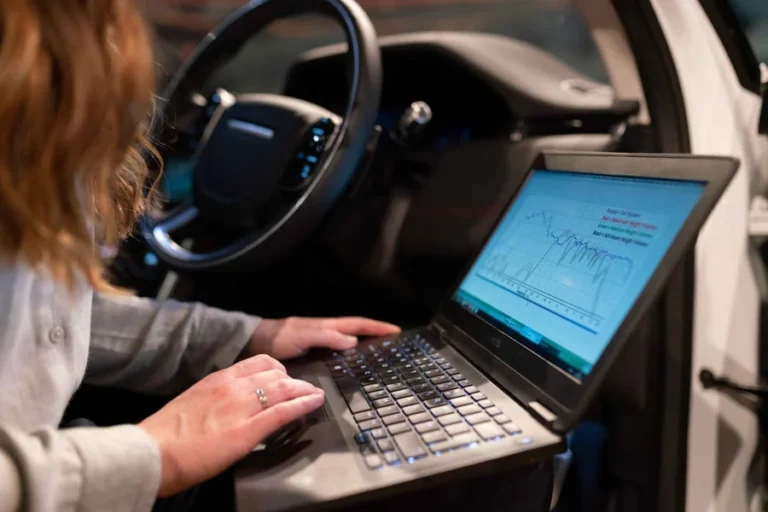
AI tools for personal trainers automate the writing and admin around coaching rather than the coaching itself. They draft programs, generate client communications, summarize progress data, and in some cases analyze movement from video.
The category splits along a useful line. Coaching platforms like Trainerize and TrueCoach handle program delivery, client messaging, and progress tracking, with AI layered on to draft workouts and check-ins. General assistants like ChatGPT handle open-ended writing, from onboarding emails to social content, with no fitness-specific framework behind it. Movement analysis tools use pose estimation, a computer vision method that maps joint positions from video, to flag form issues.
Most of the genuine time saving lives in the unglamorous middle: the check-in messages, the program variations, the progress summaries. Those are the tasks that eat a trainer’s evening and that nobody is paying a premium for.
The market context is worth knowing. The U.S. Bureau of Labor Statistics projects employment of fitness trainers and instructors to grow 12 percent from 2024 to 2034, much faster than average, with about 74,200 openings a year and a median annual wage of $46,180 as of May 2024. That is a growing, competitive, and not especially highly paid field, which is exactly the environment where saving five hours of admin a week matters.

Where Is the Scope of Practice Line?
Nutrition, and AI walks you across it effortlessly. This is the most important thing in this article, because the feature is heavily marketed and the risk is rarely mentioned alongside it.
The American Council on Exercise is explicit about what fitness professionals should avoid. Its guidance on nutrition scope of practice lists, among things trainers should not do: “Offer individualized meal planning/recommendations,” “Conduct a nutritional assessment to evaluate individual nutrient needs,” “Make specific recommendations for intake or specialty diets,” “Offer nutrition counseling,” and “Recommend nutritional supplements.” You can read the full guidance in ACE’s article on nutrition scope of practice for personal trainers.
Now read that list against what AI fitness tools advertise. “Generate a personalized meal plan from your client’s goals and body stats” is item one on that prohibited list, delivered in a single click, with a polished PDF at the end that looks exactly like professional advice.
The legal layer varies by state. Personal trainers are not licensed in any U.S. state, but nutrition and dietetics are regulated, and the rules differ substantially. Some states have exclusive scope-of-practice laws restricting nutrition services to licensed practitioners, some restrict only the titles “dietitian” or “nutritionist,” and some have no relevant statute. The American Nutrition Association maintains a state-by-state reference on nutrition regulations by profession, and state law overrides your certification, your training, and your confidence in the subject.
The myth worth clearing up: “the AI generated it, not me” is not a defense. You delivered it to your client, on your letterhead, in the course of your paid service. Whether the words came from a template, a colleague, or a language model is irrelevant to whether you practiced dietetics without a licence.
What Can Trainers Do With Nutrition?
Share general, published guidance and refer out for anything individual. ACE points trainers toward materials from government sources such as the Dietary Guidelines for Americans and MyPlate, and toward educational formats like workshops and cooking demonstrations.
The referral relationship is the professional answer. ACE recommends partnering with a dietitian and keeping a toolkit with contact details for licensed professionals in your referral network. From what we’ve seen, trainers who build one referral relationship with a registered dietitian end up with both a cleaner scope and a better client outcome, because the client gets advice from someone qualified to give it and comes back to you for the training.
Trainers who also run classes may find our look at infrared workout benefits and classes useful for the programming side.
Use AI on the education side rather than the prescription side. Drafting a handout explaining what protein does, or summarizing published guidance in plain language, is a writing task. Building a client’s daily macros around their body composition is a clinical one.
How Good Is AI Form Analysis?
Useful for gross errors, unreliable for the subtle ones that cause injuries. Pose estimation reads joint positions from a two-dimensional video and infers angles from them, which sets a hard ceiling on what it can detect.
It handles obvious problems reasonably: knees collapsing inward on a squat, a rounded back on a deadlift viewed from the side, an incomplete range of motion. It struggles with camera angle, since a slightly rotated view distorts every angle it calculates. It cannot see what a coach feels for, including bracing quality, weight distribution through the foot, whether a client is compensating for an old injury, or how hard a set really was.
One thing most guides miss is that form analysis fails in a specific direction for remote coaching. A client films their best rep, in good light, from a flattering angle, after warming up. The reps that break down are the ones at the end of a hard set that never get filmed. Ask clients for a full working set rather than a demonstration if you want the tool to show you anything real.
What Should You Never Automate?
The judgment your clients are paying for, and anything touching a medical condition. These tools are drafting assistants, and a draft still needs the coach.
A common mistake worth avoiding: sending a generated program without reading it line by line. We have seen AI produce plans that place heavy overhead work early in a session for a client with a shoulder issue the model was never told about, and prescribe five training days for someone who reliably manages three. The plan reads professionally, which is exactly the problem, because a polished document invites less scrutiny than a rough one. Read every generated program against what you know about that specific person before it goes out.
The same applies to client communication. Scheduled check-ins are fine for logistics and terrible for the conversations that keep people training. A client who has missed three sessions needs a coach who noticed, not a templated nudge that would have arrived either way.
After looking at how trainers adopt these tools, we prefer using AI on the first draft and never the final one. Generating a program skeleton and then spending fifteen minutes adapting it to a real person is faster than writing from scratch and produces something defensible. Sending the skeleton is faster still and is how trainers lose clients who could have got a template for free.
How Do You Build This Into Your Practice?
Start with the task you resent most, keep nutrition out of it, and review everything before it reaches a client.
- Automate admin first. Session reminders, progress summaries, and scheduling are pure gain with no professional risk.
- Turn off or ignore meal plan generation. Check whether your platform includes it and whether it is enabled by default.
- Check your state’s nutrition regulations. The rules differ substantially, and state law overrides your certification.
- Build one dietitian referral relationship. This solves the nutrition question properly rather than working around it.
- Read every generated program against the individual client. Injuries, schedule, equipment access, and training history are things the model does not know.
- Keep the human touchpoints human. Automate the reminder, write the difficult message yourself.
In practice, this looks like a few hours saved each week on writing rather than a change in how you coach. Trainers running their own business may also find our roundups of AI legal tools for small business owners and agentic AI for small business automation useful for the contracts and back-office side.
Frequently Asked Questions
Can I use AI to write meal plans for my clients?
Not if you are a personal trainer without a nutrition licence. ACE explicitly lists individualized meal planning among the things fitness professionals should avoid, and several states restrict nutrition services to licensed practitioners. That the plan was AI-generated does not change your responsibility for delivering it.
Will AI replace personal trainers?
It has replaced parts of the paperwork, not the coaching. BLS projects 12 percent employment growth for fitness trainers through 2034, much faster than average. What AI does replace is the commodity end of the market, meaning generic downloadable programs, which raises rather than lowers the value of individual coaching.
What is the difference between a coaching platform and a general AI assistant?
A coaching platform delivers programs, tracks client progress, and handles billing, with AI drafting inside that system. A general assistant like ChatGPT writes anything you ask but knows nothing about your clients and stores nothing. Most trainers end up using both for different jobs.
How accurate is AI form checking?
Reliable for obvious errors, weak on subtle ones. Pose estimation infers joint angles from a flat video, so camera angle affects every measurement, and it cannot assess bracing, weight distribution, or injury compensation. Treat it as a flag for review rather than a verdict.
Do I need to tell clients I am using AI?
There is no universal rule, but transparency is the safer position professionally. Clients paying for individualized coaching reasonably expect a human designed their program, and discovering otherwise damages trust more than disclosure would have.
Can AI handle client check-ins?
For logistics, yes. Scheduling, reminders, and progress data requests automate cleanly. Motivational and accountability conversations do not, because their value comes entirely from a client believing a person noticed, and a templated message signals the opposite.
Which tasks give the biggest time saving?
Program drafting and repetitive client messaging, in that order. Both are writing-heavy, both follow patterns, and both are faster to edit than to compose. Neither requires the tool to know anything sensitive about the client.
Using AI Tools for Personal Trainers Without Losing the Plot
AI tools for personal trainers are genuinely good at the writing and admin that surround coaching, and genuinely dangerous at the one task they market hardest. Nutrition prescription sits outside a trainer’s scope of practice according to ACE and outside the law in some states, and a one-click meal plan does not change that.
Check your platform this week for whether meal plan generation is switched on, and check your state’s nutrition regulations while you are at it. Then point the tools at your admin, where the hours really are.
This article is general information, not legal advice. Scope of practice and nutrition licensure rules vary by state and change, so consult your certifying body and a qualified attorney about your specific situation.