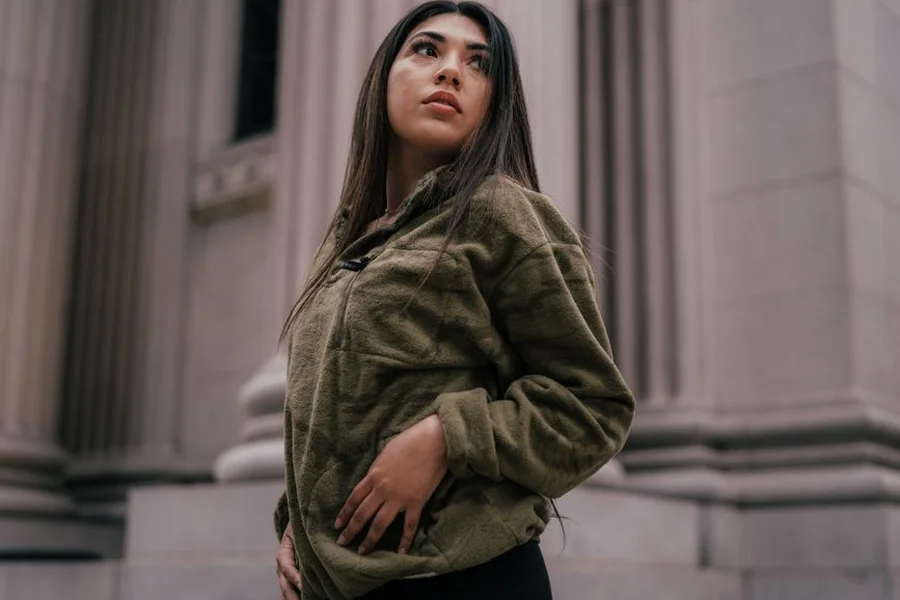
What Colors Go With Olive Green Clothing: A Guide
Working out what colors go with olive green clothing is easier once you know what olive really is: a dark, muted yellow-green that behaves far more like a neutral than like a color. That single fact explains why it pairs with almost everything, and why the handful of combinations that fail, fail so obviously.
Below you will find the neutrals that always work, the color-wheel logic behind the less obvious pairings, which olive you own and why it matters, and the two combinations worth avoiding.
Why Does Olive Green Go With So Much?
Because it sits in the yellow-green part of the spectrum at low saturation, which is the formal definition of a muted color. Muted colors do not compete, so they read as neutrals in an outfit rather than as statements.
Run the common olive shades through a color model and the pattern is clear. Olive drab sits at a hue of roughly 80 degrees with about 60 percent saturation. Dark olive is around 82 degrees at 39 percent. A sage-leaning olive lands near 75 degrees at just 26 percent. All three sit in the yellow-to-yellow-green band, and all three are dulled well below a pure hue.
That is why olive works where emerald or lime would not. A saturated green demands the rest of the outfit accommodate it. Olive quietly takes the role black, navy or grey would otherwise play, which is what makes it so useful in a small wardrobe.
What Colors Go With Olive Green Clothing: The Neutrals
Cream, white, tan, brown, black, grey and denim. These are the pairings you can reach for without thinking, and four of them do something specific worth knowing.
- Cream and off-white are the strongest default. The warmth in cream matches olive’s yellow base, so the pairing looks softer and more considered than stark white does.
- Crisp white gives sharper contrast and reads cleaner and more modern. A white shirt with olive trousers is one of the most reliable outfits in existence, and our guide to styling a white button down shirt casually covers the tucks that keep it relaxed.
- Tan, camel and brown sit beside olive on the warm side of the wheel, making them the most naturally harmonious option. Camel in particular flatters almost every olive.
- Black works but flattens. It pulls olive darker and can make a warm olive look muddy, so it suits cooler, greyer olives better.
- Grey and denim are safe and slightly cool, which stops a warm olive from reading too yellow.
From what we’ve seen, cream is the pairing people underuse and black is the one they overuse. Swapping a black top for cream is the single fastest way to make an olive outfit look deliberate rather than default.
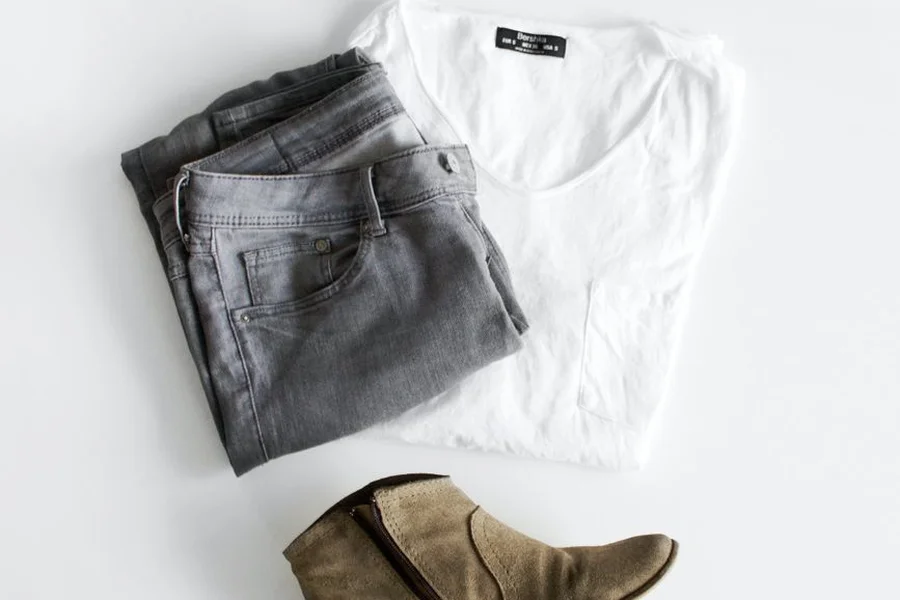
What Colors Go With Olive Green Clothing Beyond Neutrals?
Burgundy, rust, mustard, navy and plum, and there is a reason those five keep appearing together in every olive outfit guide. Two different pieces of color logic are at work.
The complementary route. Colors opposite each other on the wheel intensify one another, a principle covered in Britannica’s overview of colour harmony. Run the standard olive shades through a color model, the kind of standardized system explained in Pantone’s overview of color systems, and their complements land between roughly 240 and 262 degrees, which is the blue through blue-violet arc. That is precisely where navy and plum sit, and it explains why both feel right with olive despite looking nothing like each other.
The analogous route. Rust, mustard and burnt orange sit near olive on the warm side of the wheel. Neighboring colors create low-contrast harmony rather than contrast, which is why an olive and rust outfit feels cohesive and autumnal instead of bold.
Burgundy occupies useful middle ground. It is a dark, desaturated red, so it carries enough contrast to stand apart from olive while being muted enough not to fight it. Two dulled colors together is why the pairing reads rich rather than loud.
The myth worth clearing up: “green and blue should never be seen” gets repeated as a rule and it is simply wrong here. Navy is close to olive’s mathematical complement, and olive with navy is one of the most reliable combinations available. The rule may hold for two bright, saturated greens and blues. It does not apply to a muted olive.
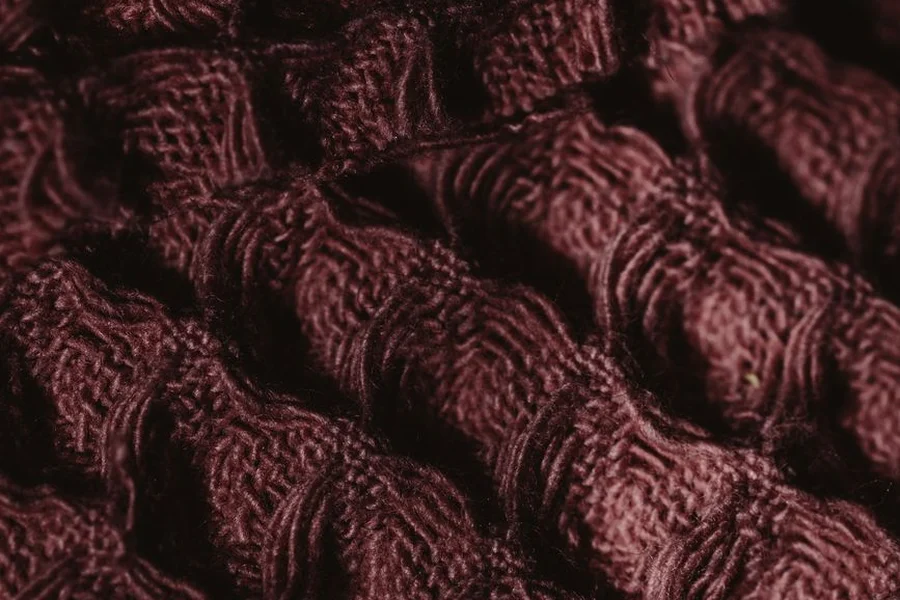
Which Olive Do You Own?
Not all olives behave the same, and matching a pairing to the wrong shade is the usual reason a combination that “should” work does not. Hold the garment against a white sheet of paper in daylight and look at which way it leans.
- Warm olive leans yellow or golden. Pair with cream, camel, rust, mustard and warm browns. Avoid stark black, which can make it look muddy.
- Cool olive leans grey or sage. Pair with white, grey, navy, plum and black, all of which sit comfortably against a cooler base.
- Dark olive is nearly a neutral in its own right. Treat it the way you would navy, and use lighter colors against it for contrast.
- Bright or army olive is more saturated and behaves more like a true color. Keep the rest of the outfit neutral and let it lead.
One thing most guides miss is that skin undertone matters less here than people are told, because olive is worn on the body rather than at the face most of the time. If olive is the trousers, jacket or skirt, the shade question is about the rest of the outfit rather than your complexion. It only becomes a face-framing decision when olive is the top or the scarf.
What Should You Avoid?
Bright saturated greens and anything that turns the outfit into a costume. Both failures are avoidable once you can name them.
A common mistake worth avoiding: pairing olive with a bright saturated green such as emerald, kelly or lime. Because they share the same hue family, the eye reads them as a failed match rather than a deliberate contrast, the way slightly-off blacks look like a mistake together. If you want green with green, go far apart in darkness, so forest green with pale sage, and keep both muted.
The other trap is context rather than color theory. Olive with tan, brown boots and any hardware reads as military uniform very quickly, and adding khaki compounds it. If an outfit is drifting that way, swap one piece for something with no utility association, such as a knit in cream or burgundy.
Red is worth a note of its own. Bright true red with olive reads distinctly festive, which is fine in December and distracting in March. Burgundy, maroon or brick give you the same warm contrast without the seasonal reference.
After looking at how these outfits come together, we prefer building around two neutrals and one accent rather than three colors of equal weight. Olive trousers, a cream top and one burgundy piece is a considered outfit. Olive, rust and mustard together is a lot of warm color competing for the same job.
Putting Olive Outfits Together
Once you know what colors go with olive green clothing, building an outfit is quick. Three reliable combinations, each using a different logic from above.
The safe default. Olive trousers, cream or white top, tan or brown leather accessories. Warm, cohesive, works year-round.
The contrast version. Olive jacket over a navy or plum base with white beneath. This uses the complementary relationship and reads sharper than the neutral version.
The autumnal version. Olive with rust or burgundy knitwear and brown boots. Analogous warmth, richest in texture, most seasonal of the three. Our piece on quiet luxury fashion trends covers the restraint this look depends on, and sustainable capsule wardrobe ideas explains why an olive piece earns its place in a small wardrobe.
Frequently Asked Questions
Does black go with olive green?
Yes, though it is not the most flattering choice for every olive. Black flattens and darkens, which suits cooler grey-toned olives well and can make a warm yellow-based olive look muddy. Cream or camel usually gives a more considered result.
Can you wear navy with olive green?
Yes, and it is one of the strongest pairings available. Olive’s hue sits in the yellow-green band, and its complement lands in the blue to blue-violet arc, which is where navy sits. The old rule about blue and green not going together does not apply to muted shades.
What color shoes go with olive green?
Brown and tan leather are the most natural fit, since they share olive’s warm base. White trainers keep it casual and modern, black works best with cooler olives, and burgundy or oxblood is the option that looks deliberately styled rather than default.
Does olive green go with grey?
Yes, and it is a useful pairing for warm olives in particular, because grey’s coolness stops the olive reading too yellow. Mid to charcoal greys give more contrast than pale grey, which can wash out against a dark olive.
What colors should you not wear with olive green?
Bright saturated greens such as emerald, kelly and lime, because they share olive’s hue family closely enough to look like a failed match. Bright true red is also worth avoiding outside the festive season, since it reads distinctly seasonal. Burgundy gives the same contrast without that association.
Is olive green a neutral?
Functionally yes, in most wearable shades. It is a dark, low-saturation yellow-green, and muted colors behave like neutrals in an outfit. Brighter army olives are more saturated and act more like a true color, so build around them rather than treating them as a base.
Does olive green suit every skin tone?
Mostly, and the shade matters more than your complexion when olive is worn below the waist. Warm golden olives suit warm undertones best and cooler sage olives suit cool undertones, but this only becomes a real consideration when olive sits near your face as a top or scarf.
Choosing Colors to Wear With Olive Green
What colors go with olive green clothing comes down to treating it as a neutral rather than a color. Cream and camel are the warmest matches, navy and plum are the sharpest, and burgundy sits usefully between the two. The only real failures are bright greens in the same hue family and full-brightness red outside December.
Hold your olive piece against white paper in daylight this week and decide whether it leans yellow or grey. That one observation tells you which half of the pairings above to reach for.