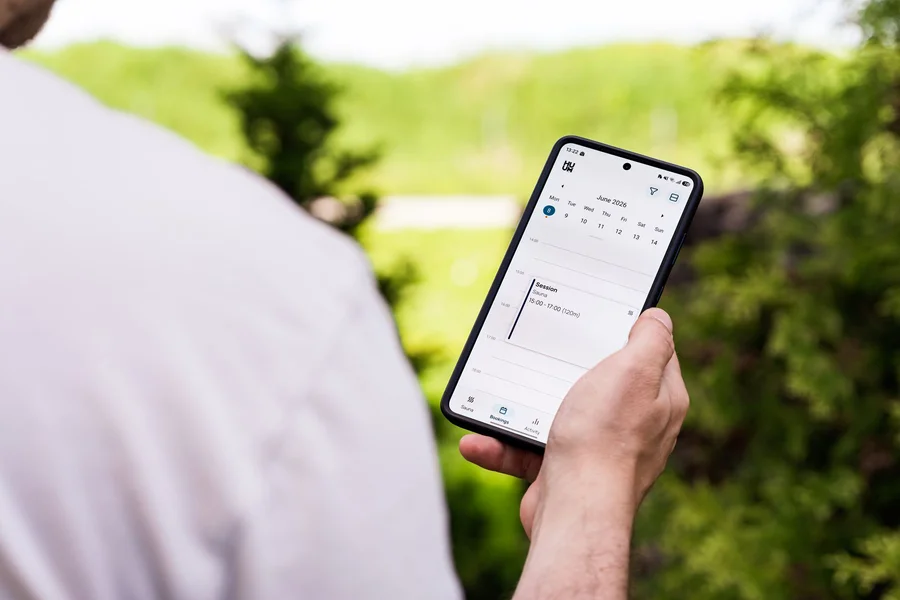
AI Chatbots for Appliance Repair Scheduling: How It Works
AI chatbots for appliance repair scheduling answer the phone or the website chat the moment you reach out, ask what’s wrong with your fridge or dryer, and put a technician on your calendar without anyone on the shop’s side lifting a finger. No hold music, no callback tomorrow, no voicemail that never gets returned. The booking happens while you’re still describing the problem.
Below you will find how these systems work, which platforms repair companies run today, what a booking call sounds like from your side, and where the automation still needs a human to step in.
What Are AI Chatbots for Appliance Repair Scheduling?
AI chatbots for appliance repair scheduling are software agents that handle inbound calls, texts, or web chats for a repair company, gather the details of the job, and book the appointment directly into the shop’s calendar. They replace the front-desk step between “something is broken” and “a technician is on the way.”
Two pieces make this work. A large language model, the kind of AI that powers tools like ChatGPT, handles the conversation itself, understanding what you mean even when you don’t use the right part names. A field service management system, often shortened to FSM, is the software a repair company already runs to track technicians, routes, and appointments. The chatbot’s real job is talking to the FSM on your behalf, checking real open slots and locking one in, rather than collecting your info for someone to call back later.
The scale driving adoption here is a scheduling gap, not a technology fad. Home services companies report losing 30 to 50 percent of their inbound calls to voicemail, mostly because a two-person front office cannot staff a phone line all day while techs are out on jobs. That gap is the exact opening these tools are built to close.
How Does a Booking Conversation Work?
You describe the problem in your own words, and the system pulls out what it needs, the appliance, the symptom, and how urgent it is, then offers real appointment windows pulled from the technician schedule. It behaves less like a form and more like a conversation with someone who already knows the calendar.
A typical exchange runs in three parts. First, intent and urgency: the system figures out whether you have a leaking dishwasher that needs same-day attention or a fridge that’s just running a little warm and can wait. Second, it matches the job type to the right technician, since a shop may split appliance repair from HVAC or plumbing work. Third, it offers two or three real slots and confirms the booking, sending a text reminder afterward. A standalone platform built for exactly this front-office role, Avoca AI describes on its own site handling more than 80% of inbound calls without a person stepping in, then dropping the finished job straight onto the shop’s calendar.
From what we’ve seen, the urgency sorting is the part that saves a shop the most money, more than the booking convenience itself. A flooding washer and a squeaky dryer both used to sit in the same voicemail queue. Now the flooding call jumps the line on its own, while the squeak gets a next-week slot, and nobody on staff had to triage it by hand.
The myth worth clearing up: people assume a chatbot means a robotic phone tree pressing “1 for service.” Most of today’s booking agents run on natural language and voice synthesis good enough that callers often don’t realize they’re not talking to a person until the conversation ends unusually fast. That said, the technology speaking to you is regulated: the FCC’s February 2024 declaratory ruling classifies AI-generated voices as “artificial” under the Telephone Consumer Protection Act, meaning a repair company still needs your consent rules followed the same way a prerecorded call would. The rule is spelled out in the FCC’s official declaratory ruling document.

Which Platforms Do Repair Companies Use Today?
Some tools bolt onto software a repair company already runs, while others operate as a separate front office that plugs into that same software. Most shops end up choosing based on how much they already have invested in one platform.
Built Into an Existing Field Service Platform
- Jobber’s AI Receptionist answers calls for shops already running Jobber to manage jobs, quotes, and invoicing, booking directly into the schedule the office already uses.
- Housecall Pro offers its own AI-driven call handling for customers on its platform, aimed at the same front-desk gap.
Standalone Front-Office Platforms
- Avoca AI answers and books calls, then hands the finished job to whatever FSM the shop already runs, most often ServiceTitan or Housecall Pro. It targets larger residential shops, generally those with ten or more field staff and at least two existing customer service reps.
- Smith.ai and Goodcall serve smaller shops as a lighter-weight answering layer without requiring a specific FSM underneath.
We’ve noticed that the standalone tools tend to fit larger shops better, and the platform-bundled options fit smaller ones, mostly because a five-person shop doesn’t want to manage a second vendor relationship on top of the software it already pays for. If the shop is small enough that the owner still answers half the calls personally, the bundled option usually wins on setup time alone.
What Disappeared From This Space
Google shut down Google Business Messages, the chat feature that let customers message a business straight from its Google Search or Maps listing, on July 31, 2024. That closed off a channel some repair shops had used for quick scheduling questions, and Google’s own release notes on the shutdown now point businesses toward a phone number or a booking link instead. It’s a reminder that scheduling channels built on a platform you don’t own can vanish with a single company announcement.
What Does This Look Like From the Homeowner’s Side?
You call, text, or open a chat window, describe the appliance and the symptom, and usually walk away with a confirmed time within the same conversation. No callback needed, no waiting for the office to open the next morning.
Say your dryer stops heating on a Tuesday evening, well after any office closes. You open the shop’s website chat, type “dryer not heating, still tumbles,” and the system asks two follow-up questions: how old the unit is and whether you smell anything burning. Based on your answers it offers a next-morning slot instead of an emergency one, since a cold dryer with no burning smell is rarely urgent. In practice, this looks like a two-minute exchange that used to mean leaving a voicemail and waiting for a callback the next business day.
One thing most guides miss is that giving specific, concrete symptoms speeds up your own booking. “It’s broken” gets you a generic mid-week slot and a technician who shows up guessing. “Leaking from the bottom left corner, started yesterday” gets you triaged correctly and, on some platforms, a technician who arrives with the likely part already in the truck.
The same shift already happened in other home trades, and our look at AI chatbots that can book plumbing appointments covers a nearly identical booking flow.
Where Does This Automation Still Break Down?
It struggles with genuinely ambiguous problems, and it can overpromise on timing when a job turns out more complicated than the intake conversation suggested. Both gaps trace back to the same limit: the system only knows what you tell it, and appliance faults don’t always describe themselves cleanly.
This scheduling shift mirrors what happened in HVAC dispatching, covered in our piece on how HVAC companies use AI dispatching. Multi-symptom calls are the clearest failure case. A fridge that’s both noisy and running warm could point to three different components, and a chatbot trained to sort calls quickly may book the wrong specialty technician or underestimate the visit length. Shops that run these systems well still route anything with overlapping symptoms to a human dispatcher rather than letting the bot guess.
A common mistake worth avoiding: assuming the confirmed appointment window is locked once the AI books it. We’ve seen homeowners get frustrated when a “same-day” slot that the chatbot offered gets bumped because an earlier job on the technician’s route ran long. That’s a routing reality of field service work, not a chatbot failure, but a well-run shop will text you proactively when it happens rather than letting you find out when nobody shows.
After looking at several of these systems in different trades, we prefer platforms that show you real technician availability rather than just collecting your request and confirming later. The difference between “here’s an open 2pm slot” and “we’ll get back to you” is the entire value of the automation. If the tool skips that step, you’ve gained a faster form, not faster scheduling.
How Do You Get the Best Experience From an AI Scheduling Chat?
Give the system specific details up front, and treat the first response as negotiable rather than final. A few small habits make the exchange faster and get you a more accurate technician match.
- Name the appliance and the exact symptom. “Dishwasher won’t drain” books faster and more accurately than “dishwasher is broken.”
- Mention timing and safety concerns immediately. Water on the floor or a burning smell should be the first thing you type, since urgency sorting runs on those keywords.
- Give the model or a rough age of the unit if you know it. This helps the system estimate whether a repair or replacement conversation makes more sense before the technician even arrives.
- Ask for a live-availability slot, not a callback promise. If the chat offers only “someone will contact you,” that shop may not have real calendar integration behind the bot.
- Confirm the appointment window in writing. A text or email confirmation gives you something to point to if the slot changes later.
If your appliance also reports its own health before it fully fails, pairing that with fast scheduling closes the loop nicely. Our piece on predictive maintenance AI for smart appliances covers the alert side of that combination.
Frequently Asked Questions
Am I talking to a real person or an AI when I call for appliance repair?
It depends on the shop, and increasingly you may not be able to tell from voice quality alone. Many booking agents now use natural-sounding voice synthesis, though reputable companies disclose it if you ask directly. Under the FCC’s 2024 ruling, an AI-generated voice call still falls under the same consent rules as a prerecorded call.
Can an AI chatbot diagnose my appliance problem over chat?
No, and this is the most common misunderstanding. These systems gather symptoms to route you to the right technician and time slot, but they don’t perform an actual diagnosis. The technician still inspects the appliance in person before confirming what’s wrong.
What’s the difference between an AI chatbot and just filling out a contact form?
A contact form collects your information for a human to review and call back later, often the next business day. An AI chatbot checks the actual technician schedule in real time and confirms a specific appointment during the same conversation. The form waits for a person. The chatbot books while you’re still typing.
Will using a chatbot get me a slower response than calling directly?
Usually the opposite, especially outside business hours. A chatbot answers instantly around the clock, while a phone call after hours often goes to voicemail. The exception is a highly unusual or multi-symptom problem, where a shop may pull you into a human conversation anyway.
Do these chatbots cost extra for the homeowner?
No, the shop pays for the software as part of running its business, the same way it pays for phone service or a website. You should never see a separate line-item charge for having been booked through a chat instead of a phone call.
Is my conversation with the chatbot recorded or stored?
Typically yes, since shops keep booking records for scheduling and billing purposes, similar to how a phone call might be logged. If privacy is a concern, ask the shop directly what their data retention policy covers before sharing details beyond what’s needed to book the visit.
What happens if the chatbot books me for the wrong kind of technician?
A well-run shop catches this at dispatch and reschedules or reassigns before the visit, since the technician’s own job notes usually flag a mismatch. If it happens, call the shop directly rather than rebooking through the chat again, since a human dispatcher can fix the underlying scheduling error faster than another software pass.
Where AI Chatbots for Appliance Repair Scheduling Are Headed
AI chatbots for appliance repair scheduling solve a real problem: too few front-office staff and too many missed calls. Used well, they turn a voicemail into a confirmed appointment in the same conversation, and they sort genuine emergencies from routine repairs without making you wait on hold to find out which one you are.
Next time you need appliance service, try the shop’s chat or text line before you dial the phone number. If it offers you a specific, real appointment slot in the first exchange, you’ve found a shop that built the automation correctly rather than bolting a form onto an old process.